

Many of us live hectic lifestyles, so we often find ourselves so stressed and too tired that fitness/wellness is the last item on our priority list. If we do not find time to do activities that get us fit and healthy, we will live sedentary lifestyles, and we may be exposed to increased risks of certain illnesses.
But don’t worry—we will provide health and fitness tips that are easy to follow and apply, both for busy professionals wanting to maintain a healthy lifestyle and those who are trying to lose weight. Eureka Wellness is here to help you prioritise your well-being despite a demanding career.
Mastering Your Meals
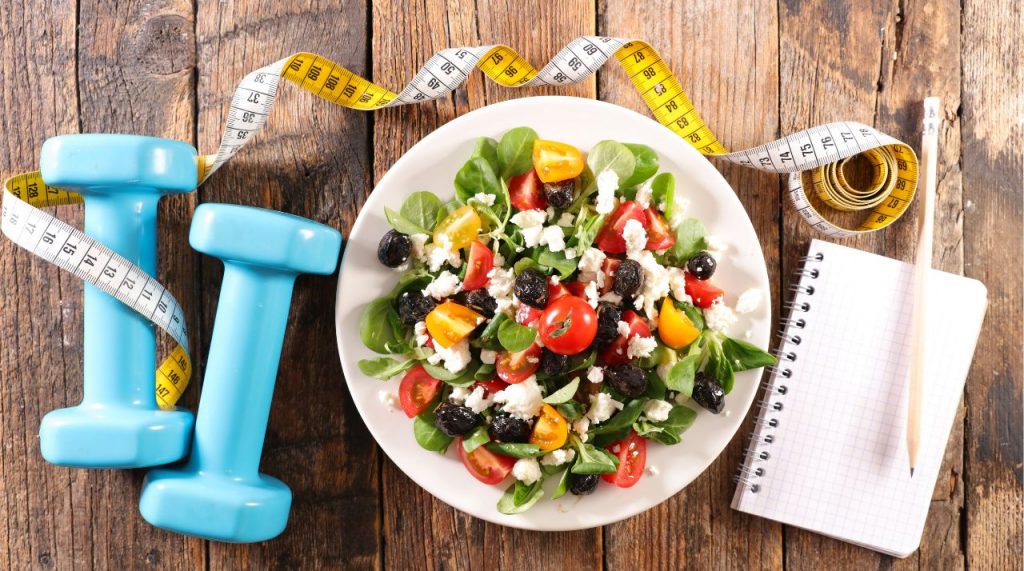
As a busy person, it’s easy to let your nutrition slip and rely on convenience foods, or worse, skip meals. The only way to avoid this is to master your meals. Here is how you can fuel your body with the nutrients it needs to stay healthy and perform at its best.
Plan Ahead
This is one of the most effective ways to master your meals. Meaning, you should take some time each week to plan out your meals and snacks, and then preparing as much as you can in advance.
Meal prepping is the term used when you cook larger batches of healthy meals that you can portion out and store in the fridge or freezer for easy reheating throughout the week. Not only does this saves time, but it also helps you avoid the temptation of eating unhealthy convenience foods.
For lunches, packing your own is a great way to make sure that you’re eating a nutritious meal, even when you’re short on time. Tip: invest in some good-quality containers and pack a variety of foods, such as salads, sandwiches, wraps, or leftovers from dinner.
Talking about snacks, having healthy nibbles on hand can help you keep your energy levels up without relying on the goodies inside a vending machine. Some great options you should consider are fresh fruits, cut-up veggies, nuts, seeds, and nut butter.
Smart Food Choices
Your focus should be on consuming whole, minimally processed foods that are packed with nutrients. Fill your plate with a variety of colourful fruits and vegetables, which are rich in vitamins, minerals, and antioxidants. Incorporate healthy fats like avocado, nuts, seeds, and olive oil for satiety and nutrient absorption. And, choose lean protein sources such as chicken, fish, tofu, and legumes.
Tips for Dining Out Healthily in Singapore
We all know that dining out is a common part of professional life, and admit it or not, it is challenging to make healthy choices in social situations. But we’ve got you covered! Here are a few tips to take note of:
- Choose dishes that are grilled, baked, or stir-fried rather than deep-fried
- Opt for brown rice or wholegrain noodles instead of white rice or noodles
- Ask for dressings and sauces on the side so you can control the amount
- Share dishes with colleagues to try different foods without overindulging
- Balance your plate with plenty of vegetables and lean protein
Read Labels

To make informed food choices means you should know how to read and interpret food labels. In Singapore, food labels must include information such as the product name, ingredient list, net quantity, nutritional information panel, and allergen declaration. You must pay special attention to the following info:
- The ingredient list, which lists ingredients in descending order by weight. Choose products with whole food ingredients at the top of the list.
- The nutritional information panel, which lists the energy, protein, fat, carbohydrates, and sodium content per serving. Look for products that are lower in saturated fat, sugar, and sodium.
- The Healthier Choice Symbol (HCS), which identifies healthier packaged food options that are lower in fat, saturated fat, sodium, and sugar, and higher in calcium and whole grains. If possible, look for the HCS of a food product.
Portion Control
Healthy food choices are important, and so are portion sizes. Here are some strategies you could use to avoid overeating:
- Use smaller plates and bowls to make portions appear larger
- Eat slowly and mindfully and pay attention to your hunger and fullness cues
- Use your hand as a rough guide for portion sizes
- A palm-sized portion of protein
- A fist-sized portion of vegetables
- A cupped hand of carbohydrates
- A thumb-sized portion of fats
- Avoid eating straight from the package or container, and instead, portion out a reasonable amount onto a bowl or plate
- When dining out, consider sharing dishes or packing up half your meal to take home for later
Get Moving – It Doesn’t Have to Be Complicated
Incorporating physical activity doesn’t have to be complicated or time-consuming. Here are some strategies to get moving and stay fit.
Incidental Activity
Never underestimate the cumulative effect of small movement increases throughout your day. Whenever possible, take the stairs instead of the elevator or the escalator. Climbing stairs can get your heart rate up and strengthen your lower body muscles. Start with one flight at a time and gradually increase as your fitness improves.
If you have short breaks in your day, take advantage of them by going for a quick walk. This could be a lap around the office, a stroll to a nearby park during lunch, or a walk to a colleague’s desk instead of sending an email. Aim for a minimum of 5-10 minutes of walking at a time, and try to accumulate at least 30 minutes of walking throughout the day.
If your job involves long hours of sitting, consider using a standing desk or a height-adjustable desk that allows you to alternate between sitting and standing. Standing engages more muscles than sitting and can help improve posture, boost energy levels, and reduce the risk of chronic diseases associated with prolonged sitting.
Workout Variety
Having a variety of workout options at your disposal makes it easier to fit exercise into your busy schedule. Choose workouts that are quick, efficient, and suitable for your current fitness level.
Bodyweight exercises are a great option for busy professionals because they require no equipment and can be done anywhere, anytime. Examples include squats, lunges, push-ups, plank holds, and burpees. Aim to do 2-3 sets of 10-15 reps of each exercise and combine them into a circuit for a full-body workout.
HIIT workouts involve short bursts of high-intensity exercise followed by periods of rest or lower-intensity activity. These workouts are highly efficient for burning calories, improving cardiovascular fitness, and boosting metabolism. A sample HIIT workout might include 30 seconds of jumping jacks, 30 seconds of mountain climbers, 30 seconds of high knees, and 30 seconds of rest, repeated for 10-15 minutes.
If you have access to a gym, take advantage of the equipment and facilities available to you. This could include cardio machines like treadmills, ellipticals, and stationary bikes, as well as strength training equipment like dumbbells, barbells, and resistance machines. Aim for a combination of cardio and strength training for optimal health benefits.
Micro-Workouts
Micro-workouts are short bursts of exercise that you can do throughout the day, even with a busy schedule. These could include:
- A 5-minute yoga or stretching break at your desk
- A 10-minute walk or jog during your lunch break
- A quick set of squats, push-ups, or jumping jacks while waiting for your food to heat up in the microwave
- A 5-minute dance break to your favourite song
The key is to look for opportunities to move your body and raise your heart rate, even if it’s just for a few minutes at a time. When done consistently, these micro-workouts can yield significant health benefits.
Active Commuting
If your commute allows, consider incorporating more active modes of transportation into your daily routine. This could include:
- Getting off the bus or train a few stops early and walking the rest of the way
- Using a bicycle or e-scooter for short errands or meetings
- Taking public transport instead of driving, which often involves more walking to and from stops
With these activity recommendations, you can achieve your fitness goals and maintain a healthy lifestyle even with a packed schedule.
Stress Less, Sleep More
Stress and lack of sleep may significantly affect your physical and mental well-being. Prioritise stress management and quality sleep to optimise your performance at work and in your personal life.
Mindfulness and Relaxation Techniques
Mindfulness is the practice of being present and fully engaged in the current moment without judgement. Incorporating mindfulness techniques into your daily routine can help reduce stress and improve emotional regulation. Some of the benefits of mindfulness include:
- Reduced symptoms of anxiety and depression
- Improved focus and concentration
- Increased self-awareness and emotional intelligence
- Enhanced resilience to stress
- Improved sleep quality
There are many simple mindfulness exercises that you can incorporate into your workday to help manage stress and promote relaxation. Some examples include:
- Take a few minutes to focus on your breath, inhaling deeply through your nose and exhaling slowly through your mouth. This can help calm your mind and reduce feelings of anxiety.
- Take a moment to close your eyes and focus on each part of your body, starting from your toes and moving up to your head. Notice any sensations or areas of tension, and consciously relax those muscles.
- Take a few minutes to stand up and do some gentle stretches, focusing on your breath and the sensations in your body as you move.
- Take a moment to reflect on three things you are grateful for, no matter how small. This can help shift your focus to the positive aspects of your life and promote a sense of well-being.
Creating a Sleep-Conducive Environment
Consider following these tips below to be able to create a sleep-conducive environment.
- Keep your bedroom cool, dark, and quiet. Use blackout curtains, earplugs, or a white noise machine if needed.
- Invest in a comfortable, supportive mattress and pillows.
- Reserve your bed for sleep and intimacy only. Avoid working, watching TV, or using electronic devices in bed.
- Establish a consistent sleep schedule, going to bed and waking up at the same time each day, even on weekends.
- Create a relaxing bedtime routine, such as taking a warm bath, reading a book, or practising gentle stretching or meditation.
Balancing Work and Rest
You may struggle to find the boundary between work and rest. But you should know that setting boundaries and prioritising downtime are important. Here is what you can do.
- Setting clear boundaries between work and personal time, and communicating these boundaries to colleagues and clients.
- Prioritising self-care activities such as exercise, hobbies, and social connections.
- Taking regular breaks throughout the workday to stretch, move, and recharge.
- Using time management techniques such as the Pomodoro method or time blocking to work more efficiently and avoid overworking.
- Learning to say no to non-essential tasks or commitments that can lead to overload and burnout.
Digital Detox
We are in the digital age, so it’s easy to get caught up in the constant flow of emails, notifications, and social media updates. However, what’s excessive is harmful. You may get stressed, experience sleep disruption, or reduced productivity. Don’t know how to implement a digital detox, here’s how.
- Set specific times to check and respond to emails, rather than constantly monitoring your inbox.
- Turn off notifications for non-essential apps and limit social media use, especially before bedtime.
- Implement a “no screens” rule for at least an hour before bed to allow your mind and body to unwind.
- Use apps or built-in features to monitor and limit your screen time, such as Apple’s Screen Time or Google’s Digital Wellbeing.
- Take regular breaks from digital devices throughout the day, and engage in screen-free activities such as reading, outdoor exercise, or face-to-face conversations.
Conclusion
Remember, the journey to a healthier lifestyle is not about perfection, but rather about progress and sustainability. Start by implementing one or two strategies that resonate with you, and gradually build upon your successes over time. With commitment, patience, and self-compassion, you can achieve your health and fitness goals while navigating the demands of a busy professional life.