


Eating a healthy and balanced diet is crucial for maintaining good health and preventing chronic diseases such as heart disease and diabetes. However, with the overwhelming variety of food options and conflicting nutrition information, making the right food choices can be challenging.
This article will discuss the importance of understanding nutrition and the role it plays. Tips on making healthier food choices will be provided, including incorporating more fruits and vegetables in your diet and selecting lean proteins. In addition, you will be given insights on meal planning and preparation to make healthy eating a convenient and enjoyable experience.
Understanding Nutrition
Understanding nutrition is vital to making healthy food choices. It involves knowing what nutrients our body needs and how to get them from the foods we eat. The following are important aspects to consider in understanding nutrition.
Nutrients Defined
Nutrients are substances found in food that our body needs to function properly. They include carbohydrates, proteins, fats, vitamins, and minerals. Each nutrient serves a specific purpose in our body, and it is important to have a balanced intake of all of them.
Types of Nutrients and their Functions
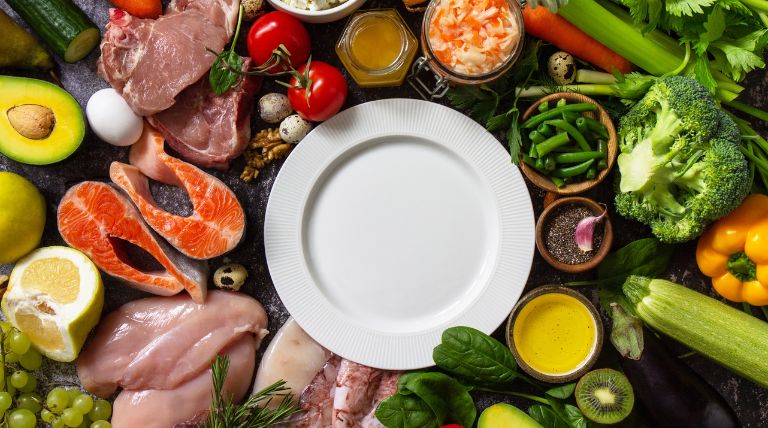
Carbohydrates are the body’s primary source of energy.
Proteins are essential for building and repairing tissues, as well as producing hormones and enzymes.
Fats provide energy and help absorb certain vitamins.
Vitamins and minerals are important for various bodily functions, including immune system function, bone health, and red blood cell production.
Importance of a Balanced Diet
A balanced diet is one that contains all essential nutrients in the right amounts. A diet that is too high in one nutrient (such as fat and sugar) and too low in another (such as fibre and vitamins) can lead to health problems.
Understanding Food Labels
Food labels provide important information about the nutrients in our food. It is crucial to read labels carefully to understand what we are putting into our bodies. Pay attention to ingredients, serving sizes, the amounts of nutrients, and the percent daily value (%DV) listed on the label.
Making Better Food Choices
Making better food choices is an essential step toward improving our health and well-being. Here are some tips for making healthier food choices:
- Try to incorporate a variety of fruits and vegetables into your diet to ensure that you are getting all the essential nutrients you need. Fruits and vegetables are important sources of vitamins, minerals, and fibre.
- Choose lean proteins, such as chicken, fish, tofu, and beans, to reduce your intake of saturated fats. Proteins are vital for building and repairing tissues, as well as producing hormones and enzymes.
- Choose whole-grain bread, pasta, rice, and cereal, as whole grains provide fibre and other essential nutrients that are not found in refined grains.
- Try to limit your intake of processed foods, and choose whole foods whenever possible. Processed foods are often high in added sugar, sodium, and unhealthy fats.
- Use a food scales, measuring cups, and spoons to ensure you are eating the recommended serving sizes. It is crucial to pay attention to how much you are eating.
Gradually incorporate these tips into your daily routine. Remember, small changes can make a big difference!
Meal Planning and Preparation

Meal planning and preparation are important aspects of making healthier food choices. Setting realistic goals when planning your meals is essential. Don’t try to make drastic changes all at once – start small and gradually work your way up. Before heading to the grocery store, list the foods you need for the week, which helps you avoid impulse buying. When selecting recipes, look for ones that are healthy and easy to prepare. There are many online resources that provide healthy and delicious meal ideas.
Preparing ingredients ahead can help you save time and make cooking easier. Chop vegetables, measure ingredients, and marinate meats in advance, so you are ready to cook when it is time to prepare your meal. Cooking in bulk can help you save time and ensure you have healthy meals on hand throughout the week. Make a large batch of soup, chili, or stew and freeze it in individual portions for easy meals. When cooking, opt for healthy cooking methods such as grilling, baking, and steaming. Avoid frying and using excessive amounts of oil whenever possible.
Remember to set realistic goals, choose recipes wisely, and use healthy cooking methods to create delicious and nutritious meals.
Overcoming Challenges to Healthy Eating
Healthy eating can be challenging at times, and here are some helpful tips for overcoming the challenges of healthy eating:
-
Lack of Time
Many people feel they need more time to prepare healthy meals. The solution to this is to master the art of meal planning and preparation.
-
Busy Schedule
A busy schedule can make it difficult to find time to prepare healthy meals. The solution to this is to look for quick and easy recipes that you can prepare in advance or in just a few minutes.
-
Cost
Some people may feel that healthy eating is too expensive. The solution to this is to choose affordable protein sources such as beans, lentils, and tofu and opt for frozen vegetables when fresh produce is not in season.
-
Cravings
Cravings for unhealthy foods can be a challenge when trying to eat healthily. The solution to this is to identify the root cause of your cravings and find healthier alternatives. For example, if you crave something sweet, choose fresh fruits instead of sugary snacks.
-
Social Pressure
Social pressure can make it difficult to stick to healthy eating habits. The solution to this is to try to make healthier choices, such as ordering a salad or grilled chicken instead of a burger and fries, when eating out with friends or family.
-
Lack of Knowledge
Some people may feel that they do not have enough proper knowledge of healthy eating. The solution to this is to look for reputable sources of information, such as registered dietitians or government health websites, to learn more about healthy eating and nutrition.
By recognising and addressing these challenges, you can overcome obstacles to healthy eating and make positive changes to your diet.
Conclusion
By understanding the basics of nutrition, making better food choices, planning and preparing meals, and overcoming common challenges, you can improve your diet and achieve your health goals. Always remember to start small, stay consistent, and focus on making sustainable changes to your lifestyle. With these tips in mind, you can enjoy a happier and healthier life.