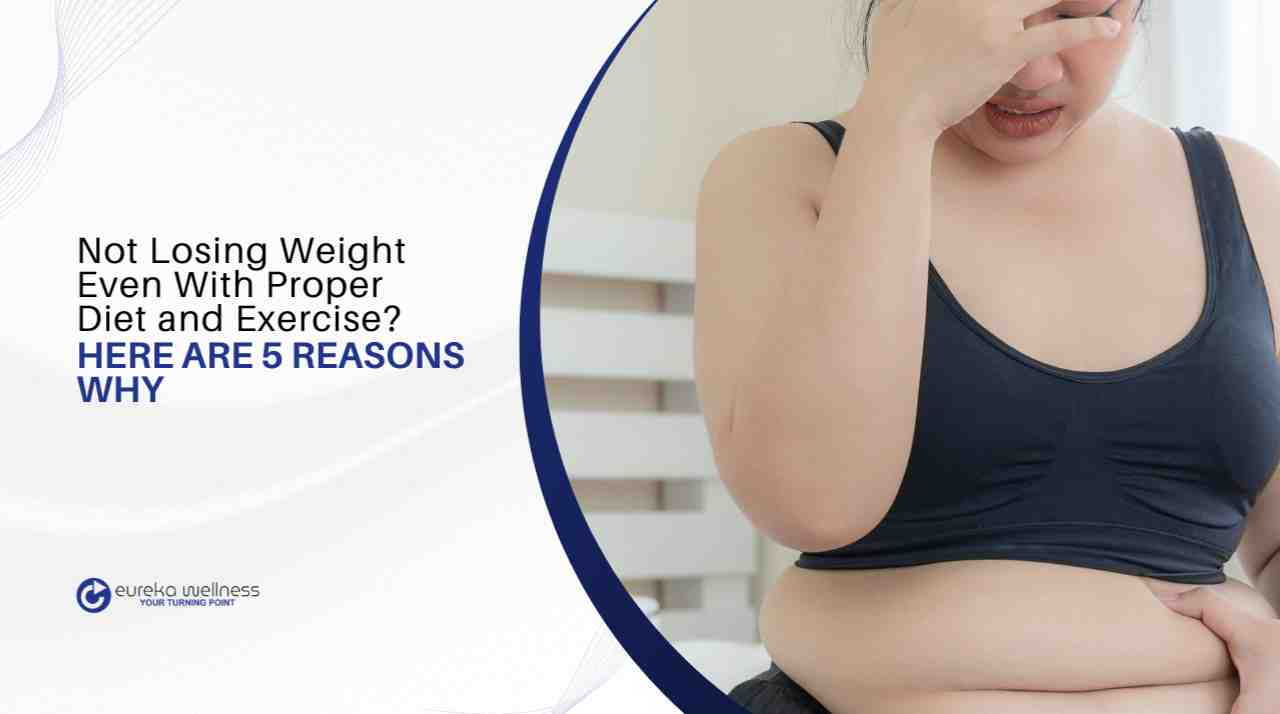


Losing weight is a common goal for many people, and it is no secret that proper diet and exercise are key components to achieving it. However, despite one’s best efforts, some may find themselves struggling to shed unwanted pounds. This article gives you a closer look at five reasons why you may not be seeing the weight loss results you desire and what steps you can take to overcome these roadblocks.
Caloric Imbalance
Caloric imbalance is a common reason people may not see the results they want from their diet and exercise efforts. Simply put, consuming more calories than you burn through physical activity can lead to weight gain, while burning more calories than you consume can lead to weight loss. It is important to maintain a balance between the two.
To determine if a caloric imbalance is affecting your weight loss efforts, it is helpful to track your food intake and physical activity. There are many apps and online tools available to help with this. Start by calculating your daily caloric needs based on your age, gender, height, weight, and activity level. Then, track your food intake using an app or journal to measure portion sizes accurately. Finally, track your physical activity, including both structured exercise and everyday movement like walking or taking the stairs.
If you are consistently consuming more calories than you burn, you may need to make adjustments to your diet. This could include reducing portion sizes, choosing lower-calorie options, or limiting high-calorie foods and beverages. In addition, increasing your physical activity level can help create a caloric deficit and promote weight loss.
Take note that creating too large of a caloric deficit can be counterproductive and even harmful. Drastically reducing calories can slow down your metabolism and make weight loss more difficult in the long run. It is generally recommended to aim for a moderate caloric deficit of 500 to 1000 calories daily, depending on your individual needs and goals.
Hormonal Imbalances
Hormonal imbalances can also contribute to difficulty in losing weight. Hormones are chemical messengers in the body that regulate many bodily functions, including metabolism, appetite, and fat storage. Imbalances in certain hormones can affect these functions, making it harder to lose weight.
One hormone that plays a crucial role in weight management is insulin. Insulin is produced by the pancreas and helps regulate blood sugar levels by moving glucose from the bloodstream into cells to be used for energy. But when the body becomes resistant to insulin, glucose levels can remain high, leading to weight gain and other health issues.
Another hormone that can affect weight management is cortisol, which is produced by the adrenal glands in response to stress. High cortisol levels can promote fat storage, particularly in the abdominal area. Chronic stress can also lead to overeating and poor food choices, further contributing to weight gain.
Other hormones that may play a role in weight management include leptin, ghrelin, and thyroid hormones. Leptin is produced by fat cells and helps regulate appetite and metabolism, while ghrelin stimulates hunger. Thyroid hormones regulate metabolism and can affect weight if levels are too low or too high.
Genetics
Genetics can also play a role in the difficulty of losing weight. Some people may have a genetic predisposition to carry more weight, particularly in certain areas of the body. In addition, certain genetic factors can affect metabolism, appetite, and how your body processes and stores fat.
For example, some studies have found that certain genetic variations may affect how the body responds to exercise. This means that some people may not see the same benefits from exercise as others, even if they are putting in the same amount of effort.
However, genetics do not necessarily determine your destiny when it comes to weight loss. While some people may have a harder time losing weight due to genetic factors, it is still possible to make changes to your diet and exercise habits to promote weight loss.
One approach that can be helpful is to focus on lifestyle changes that promote overall health and wellness rather than just weight loss. This can include incorporating more whole foods into your diet, reducing stress, getting enough sleep, and engaging in physical activity that you enjoy.
Sleep and Stress
Sleep and stress are two factors that can impact weight loss efforts. Chronic stress can lead to the release of cortisol, a hormone that can promote fat storage, particularly in the abdominal area. Stress can also lead to overeating and poor food choices.
In addition, lack of sleep can affect hormone levels and metabolism, making it harder to lose weight. Sleep deprivation has been linked to increases in the hunger hormone ghrelin and decreases in the satiety hormone leptin, which can result in overeating and weight gain. Lack of sleep can also affect insulin sensitivity, making it harder for your body to regulate blood sugar levels and leading to weight gain over time.
Prioritising good sleep habits and stress management techniques is vital to support weight loss efforts. This includes getting enough sleep every night and practising relaxation techniques. Incorporating regular exercise into your routine can also help reduce stress and improve sleep quality.
Plateau and Muscle Gain
A plateau occurs when weight loss stalls despite continued efforts to diet and exercise. It can be frustrating and demotivating, but plateaus are a normal part of weight loss. They often occur because the body adjusts to the new calorie intake and physical activity level.
One way to overcome a plateau is to change up your exercise routine. It can include incorporating new exercises, increasing the intensity or duration of your workouts, or trying a new type of physical activity. Furthermore, making adjustments to your diet, such as reducing portion sizes or changing the macronutrient balance, can help break through a plateau.
On the other hand, muscle gain can also impact weight loss efforts, as muscle weighs more than fat. Building muscle is beneficial for overall health, but it can also make it appear as though weight loss has stalled. To overcome this, it is crucial to focus on measurements beyond the scale, such as body measurements, body fat percentage, or how your clothes fit.
Incorporating strength training into your exercise routine can help support muscle gain while promoting weight loss. And you should focus on whole, nutrient-dense foods and pay attention to hunger and fullness cues – all these efforts support overall health and wellness while promoting weight loss success.
Conclusion
Remember that weight loss is not the only measure of success. Even if the scale is not moving, focusing on positive changes in energy levels, mood, and overall health can help keep you motivated to continue your weight loss journey.
Have any questions regarding these five reasons? Ask them right away.