

Let’s face it. After a long day, heating up a ready-made meal or grabbing a bag of chips can feel like a lifesaver. It’s quick, easy, and let’s be honest, it usually tastes great.
So if you’ve ever felt guilty about these choices, don’t worry. This isn’t about judging your eating habits.
Ultra-processed foods (UPFs) are a big part of modern life for a reason. They are convenient, cheap, and everywhere. But it’s helpful to know what happens inside our bodies when we eat them regularly.
The goal of this article is not to cut them out completely. It’s about understanding your body better. Because when you know how different foods affect you over time, you will be able to make smarter choices fitting your lifestyle, budget, and weight loss goals.
What Are Ultra-Processed Foods?
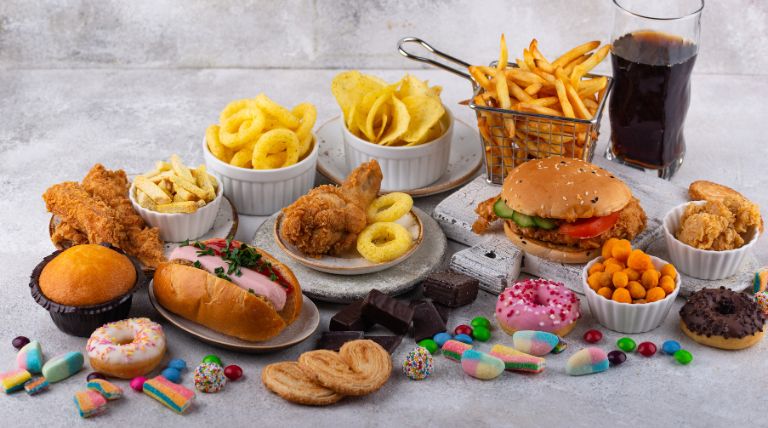
According to Dr. Frankie Phillips, a registered dietitian with the British Dietetic Association, UPFs are foods that have been heavily altered from their original form. They usually include ingredients you won’t find in a regular kitchen like artificial colours, preservatives, flavourings, and emulsifiers.
Think of things like microwave meals, sugary breakfast cereals, soft drinks, packaged bread, instant noodles and soups, reformed meats like ham and sausages, ice cream, and even some alcoholic drinks.
But here’s an important point. Not all food processing is bad.
Some processed foods can actually be more nutritious. For example, canned tomatoes or tomato puree have more easily absorbed antioxidants than fresh ones. And let’s be real. Most of us don’t have time to cook everything from scratch every day.
What really matters is how much a food is processed. There’s a big difference between lightly processed foods (like frozen veggies), processed foods (like canned tomatoes), and ultra-processed ones (like a jar of pasta sauce with 15 unrecognisable ingredients).
And yes, some ultra-processed options such as wholegrain cereals, wholemeal bread, baked beans and unsweetened plant-based milks can still be nutritious.
The First Few Days
Start eating UPFs regularly and your body reacts almost right away. But not always in ways you’d expect.
At first, you might feel great. A sugary snack or caffeinated drink can make you feel more alert and energised. That’s because caffeine stimulates your brain, and sugar causes a quick spike in blood sugar, giving you a short-term high. These foods even trigger dopamine which can make you feel happy and satisfied.
But the boost doesn’t last.
Soon after, you may crash feeling tired, sluggish, and reaching for another quick fix. This can make you eat more than you need, often before your brain has even registered that you’re full.
What’s Going on Inside?
Your body is working hard to keep things in balance.
- Your pancreas kicks into overdrive to manage the sugar by producing more insulin.
- Your blood pressure may rise due to the extra salt, and you might hold onto more water, leading to that bloated, “puffy” feeling.
- Your gut starts changing. The sugars and additives in UPFs can feed the wrong kind of bacteria and throw off your digestion, causing bloating, indigestion, or even changes in your bowel habits.
- Your joints might feel stiffer or more inflamed, especially if you already have joint issues, thanks to certain inflammatory fats found in many processed foods.
Your body’s not failing you. It is doing its best to respond and find balance based on what you’re feeding it.
After A Few Weeks
Stick with a diet high in ultra-processed foods for a few weeks and your body will start showing more obvious signs. Two of the biggest areas affected? Sleep and energy.
Many people start to feel more tired and notice their sleep getting worse. As nutritionist Lily Keeling explains, “Eating lots of ultra-processed foods can make you feel sluggish and prevent you from getting deep, restful sleep.”
Why? Because processed foods lack the nutrients your body needs to produce sleep hormones like melatonin. Whole foods like kiwis, cherries, and nuts help support better sleep, but they’re often missing from UPF-heavy diets.
Your Body Feels the Strain
Think of your body like a car. It’ll still run on low-quality fuel, but not as smoothly.
As nutritional therapist Kerry Beeson puts it, the more ultra-processed foods you eat, the more pressure you put on your system.
- Your liver has to work harder to process additives and preservatives.
- Your digestive system struggles to find nutrients in foods that don’t have much to offer.
- Your blood sugar goes on a rollercoaster, constantly trying to stay in balance.
Months of Eating Ultra-Processed Foods

When UPFs become a big part of your diet for several months, your body starts to adapt in more noticeable and often more serious ways. These changes can affect how you feel everyday and even impact your long-term health.
Physical Changes You Can Feel
One of the first big changes is weight gain. In a BBC documentary, Dr. Chris van Tulleken ate a diet made up of 80% ultra-processed foods for just one month and gained nearly 7kg. He estimated that continuing at that rate would’ve added over 38kg in six months.
And it’s not just about calories.
Research from Dr. Kevin Hall at the National Institutes of Health found that people eating ultra-processed foods consumed 500 more calories a day on average – even when the food had the same fat, sugar, salt, and fibre levels as unprocessed meals. Why? They ate faster and didn’t feel full as quickly.
Without enough variety and fibre, which UPFs often lack, your gut microbiome gets thrown off. Over time, this can lead to weight gain, fatigue, and poor digestion, says nutritionist Lily Keeling.
How It Affects Your Mood and Mind
This is where it gets even more surprising. Your gut and brain are constantly talking to each other. Scientists call this the gut-brain axis, and it means that what’s happening in your stomach can impact how you feel mentally and emotionally.
Harvard Health explains that this two-way connection is why anxiety can cause stomach issues, and why an unhealthy gut can send stress signals back to your brain. When your gut microbiome becomes unbalanced from months of processed food, it can mess with your mood and emotional well-being.
Ingredients like emulsifiers and artificial sweeteners may disturb your gut bacteria in ways that influence how you feel not because they make you “crazy,” but because gut health really does impact mental health.
Why You Crave Processed Foods
Going back to the experiment done by Dr van Tulleken for a month, brain scans showed that the part of his brain that processes rewards linked up with the part that controls habits. In simple terms, his brain started telling him to keep eating, even when he didn’t really want to.
This kind of brain activity is similar to what happens with addictive substances like cigarettes or alcohol. The effect isn’t permanent, but it shows how powerful these foods can be, especially for kids whose brains are still developing.
These foods are designed to be irresistible. Everything from the taste and texture to the crunch or chew is engineered to make your brain light up with pleasure. As Dr van Tulleken says, food companies may not be trying to make us overeat. But when something is that delicious, it’s really hard to stop.
Your Hormones Get Confused Too
In another study, people eating ultra-processed foods had more of the hormone that makes you feel hungry, and less of the hormone that helps you feel full. Dr van Tulleken’s own hunger hormone rose by 30% during his experiment.
So even if you’ve had enough calories, your body still feels like it needs more food. That’s not a weakness. It’s your biology reacting to the food you’re eating.
Conclusion
If this has got you thinking about your eating habits, that’s a great place to start. Start with small, realistic changes. Don’t worry about being perfect. Just look at what you’re already eating and see where you can make a couple of easy swaps.
If you rely on convenience foods, you don’t have to give them up. Just choose better options.
Your body is strong and adaptable. Every single meal is a chance to give your body something good. With the knowledge provided above, you can build a way of eating that works for your body and your lifestyle. And that’s something worth celebrating.
Ready to transform your relationship with food and build healthier eating habits? The nutrition experts at Eureka Wellness are here to guide you on your path to better health. Contact us today!