


The latest National Population Health Survey (2021/22) by the Health Promotion Board found that about 1 in 9 Singaporeans between 18 and 74 years old is obese. It might make you pause and wonder if you could be part of this statistic.
The average Singaporean professional works 44 hours a week; this is aside from the overtime hours that have become as common as kopi breaks.
Between back-to-back meetings, late-night emails and weekend work events, finding time to focus on your health feels like trying to squeeze into the MRT during rush hour. It is technically possible but overwhelming.
Let’s explore various weight loss solutions that can work for people with calendars as packed as yours, highlight what’s worth your time and money, and identify options that are only marketing hype.
Exercise and Structured Dieting Approaches
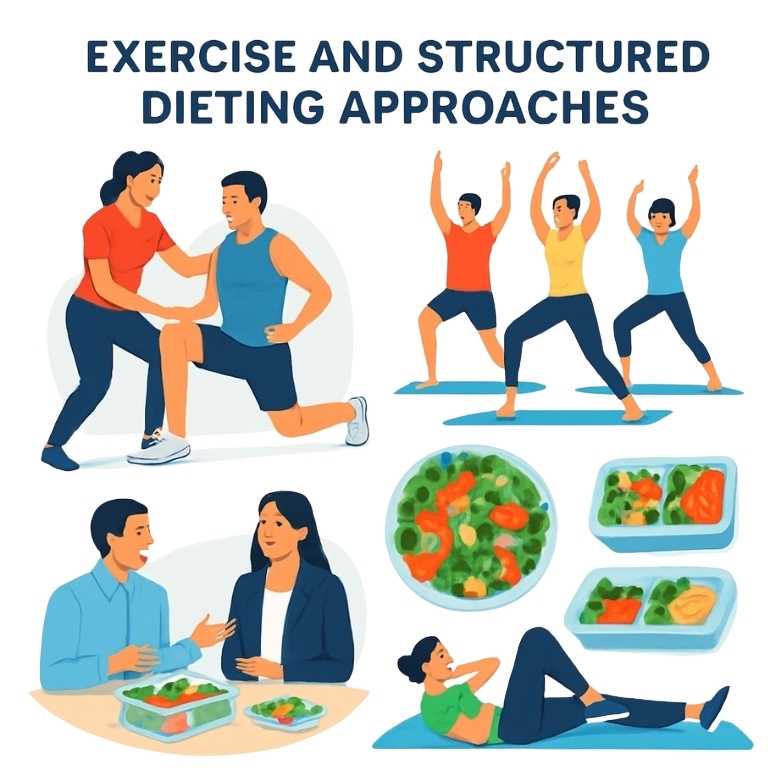
Personal Training and Exercise Programs
Let’s address the elephant in the gym. Why do some busy professionals still manage to hit their fitness goals while others struggle to climb a flight of stairs without getting winded? The answer is strategy. These working professionals have found smarter ways to use their vacant time.
Here are some options you can commit to:
Personal Training
Think of it as outsourcing your workout planning. Personal trainers can design 30- or 45-minute sessions that keep you accountable while maximising results. It can be pricey (around S$60-150) but consider it an investment in productivity.
You will waste less time figuring out what to do at the gym.
Group Fitness Classes
These classes offer structure, community, and most importantly, fixed timings that force you to block out your calendar. The social pressure of regular classmates can be surprisingly effective for you to stay consistent.
Many studios now offer 6 am classes for the before-work crowd and express 30-minute lunch sessions.
Corporate Wellness Programs
Check if your company offers these programs. Some organisations partner with gyms or bring instructors on-site.
It’s convenient, often subsidised, and you can network while you sweat. Plus, exercising with colleagues creates accountability. It’s hard to skip when your team lead is expecting you.
Home Workouts
The pandemic proved this could work. With apps like Centr or Apple Fitness+, you can squeeze in 20-minute HIIT sessions before your morning shower. No commute time, no gym attire anxiety, just you and your living room.
The key is scheduling it like a meeting. It’s non-negotiable.
Structured Dieting Approaches

Intermittent Fasting
Intermittent fasting focuses on “when” you eat rather than “what.” A common approach is the 16:8 method, where you fast for 16 hours and eat during an 8-hour window. This is often done by skipping breakfast or having an earlier dinner.
During the fasting period, non-caloric drinks like water or black coffee are typically allowed. There’s no need for calorie counting or special foods, though maintaining a balanced diet is still important. Many people find it easy to follow even during business trips, and it can save time by reducing the number of meals you need to prepare.
Research suggests IF can improve insulin sensitivity and trigger cellular repair processes. Note that the first few days may bring hunger pangs, but these usually resolve as your body adapts to the fasting schedule.
Ketogenic Diet
The ketogenic diet is a very low-carbohydrate, moderate-protein, and high-fat eating plan. By drastically reducing carbs, the body enters a state called ketosis, where it burns fat for energy instead of glucose.
Many people see rapid weight changes during the first week, often 1 to 4.5 kg, but most of this is water weight, not fat. Sustainable fat loss usually occurs more slowly, around 0.45 to 0.68 kg per week, and requires a calorie deficit.
Keto can be effective if followed consistently, but it requires careful meal planning. For busy professionals managing work dinners, family meals, and social events, sticking to the diet long term can be challenging.
Slimming Centres & Non-Invasive Body Contouring
Cryolipolysis (Fat Freezing)
Cryolipolysis is a non-invasive cosmetic procedure that uses controlled cooling to destroy fat cells. It’s considered a low-risk procedure and can usually be completed in a single clinic visit.
This is the non-surgical alternative to liposuction. A session takes 30 minutes to an hour—perfect for a long lunch break. Some clinics even allow you to work on your laptop during treatment.
The cost ranges from around S$300 to S$800 per session or area, depending on the clinic and treatment area. Most people need two to three sessions to see noticeable results.
It’s not exactly a weight loss solution but rather a body contouring treatment to target stubborn pockets of fat.
Other high-tech options
Radiofrequency (RF) Therapy uses heat to tighten skin and reduce wrinkles and stretch marks. It feels like a warm massage lasting about 30 to 45 minutes. This is a great option for those who have lost weight and need skin tightening.
Ultrasound Treatment (ultrasonic cavitation) is a non-surgical technique that uses ultrasound technology to break down fat cells beneath the skin. The fat is then naturally processed and eliminated by the body. Ultrasound treatments are often used alongside other weight loss programs to help contour the body.
High-Intensity Focused Ultrasound (HIFU) is another non-invasive procedure that uses focused ultrasound energy to target deep tissue layers. It can be used for non-surgical skin lifting and tightening or, in medical settings, to treat certain types of cancerous tissue.
These treatments work best for people who are already close to their ideal weight but are struggling with specific problem areas or loose skin.
Professional Guidance
Sometimes you need to call in the experts. Working with professionals acknowledges that weight loss is complex and shows that you value your time and results.
Why it can keep you accountable and realistic
A good nutritionist or dietitian doesn’t just hand over a meal plan and send you off. They become your partner in navigating office pantries, business dinners and family celebrations.
Services you can expect:
- Personalised meal planning that takes into account your food preferences, budget and schedule
- Lifestyle coaching to help manage stress eating, emotional triggers, and build healthy habits
- Body composition tracking using tools like DEXA scans or InBody analysis
- Practical strategies for eating out, travelling, and managing social situations
Hospital-based and clinic-based weight management programmes
These programmes, like those offered at Singapore General Hospital, Changi General Hospital and various specialist clinics, take a medical approach to weight loss. They are valuable if you have existing health conditions like diabetes, high blood pressure or joint problems.
A typical programme might include the following:
- Initial medical screening to determine underlying concerns
- Consultations with sports medicine physicians who can prescribe safe exercise despite injuries
- Dietitian sessions
- Supervised exercise sessions with clinical exercise physiologists
- Resting Metabolic Rate testing to determine your calorie needs
- Medical monitoring throughout the programme
Traditional Chinese Medicine

TCM approaches weight management by addressing what it considers underlying imbalances in the body. In TCM theory, excess weight is sometimes described as “dampness” or “phlegm,” which may accumulate when the body’s digestive and metabolic processes are not functioning optimally according to traditional concepts.
Being overweight is viewed as a symptom of these imbalances. TCM treatments, such as acupuncture, herbal remedies, and dietary guidance, aim to restore balance in the body. While some people report improvements in digestion, appetite control, or overall wellness, scientific evidence supporting TCM as a standalone weight loss method is limited.
Pharmacological Solutions
Appetite Suppressants
Appetite suppressants can help people with obesity lose weight, usually when combined with diet and exercise. Some medications reduce hunger, while others help you feel full faster. These drugs work by affecting how the brain and body experience appetite and satiety.
Most appetite suppressants require a prescription, so it’s important to consult your doctor to see if this approach is suitable for you. One commonly prescribed option is phentermine. These medications can be effective tools when combined with healthy eating and lifestyle changes.
Weight Loss Injections
GLP-1 agonists (such as semaglutide and liraglutide) are a class of medications primarily used to manage glucose levels in individuals with Type 2 diabetes. Certain GLP-1 agonists are also approved for weight management in adults who are obese or overweight with related health conditions.
Weight loss injections available in Singapore include Wegovy (semaglutide), Ozempic (semaglutide), and Mounjaro (tirzepatide). Some GLP-1 medications are available as oral tablets, but most are injectable.
They work by reducing appetite and food cravings, while also helping the body release insulin in response to meals in a glucose-dependent manner.
The injections are typically self-administered under the guidance of a healthcare professional.
Bariatric Surgery
Bariatric surgery is a treatment option for individuals with severe obesity or obesity-related health conditions. It involves reconfiguring the anatomy of the stomach and small intestine. These changes affect hormonal signaling between the gut and brain, which can help regulate appetite and digestion, and may also influence metabolism.
Eligibility for Bariatric Surgery
- BMI exceeds 37.5 (Asian standards)
- BMI exceeds 32.5 with serious complications like diabetes, sleep apnoea, or hypertension
Patients undergo careful assessment for suitability before bariatric surgery.
How to Effectively Lose Weight as a Working Adult
Consistency Over Intensity: Small Habits That Stick
Start by building small, consistent habits as these compound over time. You can have three 20-minute walks weekly. When it becomes part of your routine, you can increase its frequency per week.
Other small habits that you can introduce:
- Walking around the office while taking calls.
- Using a standing desk.
- Parking further away or getting off one MRT/bus stop early.
- Doing bodyweight exercises during TV commercial breaks.
- Taking the stairs instead of the elevator when time permits.
Smart meal prep hacks for you
You don’t have to spend your free days cooking complicated meals. Perform smart food prep by doing any of the following:
- Pre-cut vegetables on weekends
- Boil a dozen eggs on Sunday
- Keep frozen portions of ready-to-cook proteins
- Prepare overnight oats in batches
- Stock your office drawer with convenient, nutritious options, such as unsalted nuts, seeds, canned tuna or beans, and natural nut butter packs
The power of NEAT
NEAT stands for Non-Exercise Activity Thermogenesis. It’s the energy your body burns through everyday movements that aren’t considered formal exercise, like walking to the printer, standing, or fidgeting.
Simple habits such as walking during phone calls or taking the stairs can add up. When practised consistently, these small movements may help burn extra calories daily, though the exact amount varies depending on your body and activity level.
Set realistic expectations
Here are two facts you should know. First, you can’t gain weight overnight. Second, you won’t lose it overnight either.
Aim for gradual but sustainable weight loss. Expect plateaus along the way, and don’t measure your worth by the number on the scale. Instead, ask yourself: Do you feel more energetic during the day? Do your clothes fit better? These are just as important and meaningful signs of success.
Finding your ideal solution
With so many options out there, you might be wondering which approach truly fits your busy lifestyle.
What if there was a solution that combined the convenience of at-home programs, the personalized support of concierge-level guidance, and the flexibility to fit seamlessly into your schedule without requiring hours at the gym or complicated meal prep?
This is where a structured, professionally-guided program can make all the difference.
The Eureka Wellness Advantage
What You’ll Love About Eureka
- Proprietary drops support the part of your brain that regulates metabolism, helping your body safely tap into stubborn fat and burn thousands of calories for energy while curbing hunger. Even if you’ve struggled before, this gives you an edge most programs don’t offer.
- Achieve results without committing to a workout plan.
- Follow the program easily from home or the office.
- Daily, concierge-level guidance ensures you’re supported every step of the way, adapting the program to your needs and goals.
- Each phase is designed with purpose, removing uncertainty and ensuring your results are consistent and predictable.
- Beyond fat loss, we equip you with practical nutrition strategies, from macros to label mastery, so you can maintain your transformation long after the program ends.
- Eureka’s clients have achieved noticeable fat loss within 1-2 months, with improved health, confidence, and overall well-being that lasts.
Conclusion
Stop waiting for the “perfect timing”—it doesn’t exist. Monday won’t magically be easier; the next project won’t be quieter. Start with one small change this week: Book that consultation, download that app, or skip that afternoon snack.
Remember, your health is probably the most important investment you can make. Without it, all those late nights and weekend work lose their value. Find a solution that fits your lifestyle because the best weight loss plan is the one you can follow.
Other professionals made their health non-negotiable. When will you? Talk to us today for a non-obligatory discussion regarding your weight loss goals.