


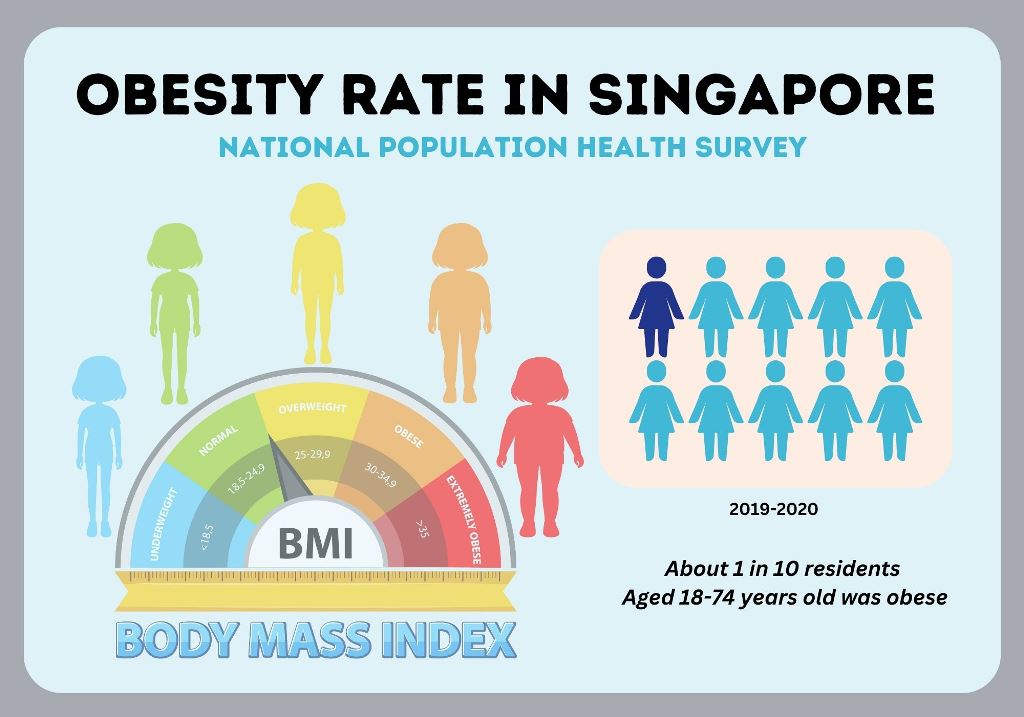
In the past few years, Singapore has seen a concerning rise in obesity rate. As reported by the National Population Health Survey, about 1 in 10 residents aged 18-74 years old was obese in 2019-2020. This is a growing health concern that leads many people to search for quick and effective weight loss strategies and solutions—an increasing number of people turn to medication as an answer to their problem.
The buzz surrounding weight loss drugs has reached fever pitch. Drugs like Ozempic and Wegovy are now popular for their weight loss benefits. They were originally meant for diabetes but have sparked a lot of excitement and controversy in the medical community and people who are trying to lose weight.
But amidst the hype and hope, it is wise to take a step back and examine these weight loss medications more closely. Are they the magic bullet many have been waiting for, or do they come with hidden costs and limitations? This article aims to cut through the noise and provide a balanced perspective on these medications.
Understanding These Weight Loss Medications
Let’s take a closer look at how these popular weight loss medications work in the body.
Popular Prescription Weight Loss Drugs in Singapore
- While Semaglutide (sold under brand names Ozempic and Wegovy) was originally developed for diabetes treatment, its formulations have different approved uses in Singapore. Ozempic is specifically approved for managing diabetes, whereas Wegovy, a higher-dose version, has been recently approved for weight loss purposes.
- Liraglutide is another weight loss medication that has been approved in Singapore. It is marketed as Saxenda, and like Semaglutide, it was initially developed to manage type 2 diabetes. Over time, Liraglutide has exhibited promising results in weight management and weight loss.
How Do These Medications Work?
Semaglutide and Liraglutide belong to a class of drugs called GLP-1 (glucagon-like peptide-1) receptor agonists. They work by mimicking a hormone called GLP-1, one that is naturally produced in the gut. Here’s how these medications work in the body.
- These weight loss medications signal to the brain that your stomach is already full. As a result, you feel fuller easily and crave less.
- They slow down the emptying of the stomach to help you feel full for longer periods.
- These drugs help control blood sugar levels by stimulating insulin production and reducing glucose production in the liver.
- Some studies suggest that these medications may also increase energy expenditure. This effect is still being researched.
Potential Benefits and Side Effects
They have shown impressive results in clinical trials but you should know that while they can lead to significant weight loss, they also come with potential side effects.
The common side effects of these weight loss medications are dizziness, nausea, vomiting, headaches, gassiness, diarrhoea, and constipation. There are more serious side effects but they are rare, including pancreatitis and thyroid tumours.
The Pros and Cons of Weight Loss Medications
Like any medical intervention, these medications come with advantages and drawbacks. It’s important to understand both sides of the coin so you can make an informed decision about whether these drugs might be right for you.
Effectiveness in Clinical Trials
Clinical trials have shown impressive results. For example, in a study involving Wegovy (semaglutide), the participants lost an average of 15% of their body weight over 68 weeks. This is substantially more than what’s usually achieved with diet and exercise alone. Many users also experience improvements in their conditions like type 2 diabetes, high blood pressure, and high cholesterol.
Apart from these pros you’ve read, you must know that individual results may vary. Not everyone responds to these medications in the same way. Other people may not achieve the dramatic results seen in clinical trials. There’s also potential chances for weight regain. If the medication is stopped, many people regain some or all of the weight they lost.
Limitations and Considerations
The table below presents a detailed overview of the important factors to consider that will help you align your choice with your health goals and personal circumstances.
| Factor | Pros | Cons |
| Cost | They may be cost-effective long-term if it prevents obesity-related health issues. | They’re expensive. Ozempic costs at least SGD 400 per pen (good for 4-6 weeks) while Saxenda can go up to SGD 160 per pen (lasting about two and a half weeks). |
| Long-term sustainability | They can provide a “jumpstart” to a healthier lifestyle and motivate users to maintain diet and exercise habits. | Their long-term effects are not fully understood. And there’s a risk for developing dependency on these weight loss medications if you are trying to manage or lose weight. |
| Potential side effects | The potential side effects can be generally mild and often improve over time. As mentioned, the serious side effects are rare. | There are also concerns about potential long-term risks like acute kidney injury, allergic reactions, hypoglycemia, gallbladder problems, thyroid tumours, possible increased risk of pancreatic or thyroid cancer. |
| Accessibility and administration | Infrequent dosing schedule (weekly injections) can be more convenient than daily medications. | These weight loss medications require a prescription and regular doctor’s visits for monitoring. Some people may find self-injections uncomfortable. |
| Not a standalone solution | They can work well when combined with lifestyle changes. | These weight loss drugs don’t address the root causes of weight gain. They aren’t a substitute for a healthy diet and regular exercise. |
The Importance of a Holistic Approach
These medications are not a substitute for a sustainable approach to weight management. In fact, these drugs should be considered as a last resort when other methods have been unsuccessful.
The Foundation: Diet and Exercise
A well-balanced diet is the cornerstone of healthy weight loss. This doesn’t mean crash diets or extreme restrictions but rather a sustainable eating plan that includes a variety of nutrients.
Remember that exercise is not about burning calories alone. It’s about improving your overall health. So aside from doing a variety of physical activities like aerobic exercises and strength training, find time to do things that you enjoy to make regular exercise sustainable.
Addressing Underlying Factors
Weight gain often stems from complex factors beyond simply overeating. These underlying causes may include:
- Chronic stress
- Poor sleep quality
- Medical conditions such as PCOS or thyroid disorders
- Ineffective stress management strategies
A holistic approach can help to address the above factors.
The Need for Personalised Solutions
You may have always encountered the saying, “What works for one person may not work for another.” A person’s weight loss journey is relative. So relying solely on weight loss medications is often ineffective in the long run.
The following are examples of efforts towards sustainable weight management:
- You can work with a nutritionist or a weight loss professional to develop a meal plan that fits your lifestyle, preferences and nutritional needs.
- Consulting with a gym instructor is another option. You can both work on a routine that suits your fitness level, goals and physical limitations.
- There are also psychological aspects of weight management. Cognitive Behavioural Therapy (CBT) and other forms of counselling can help address them.
When to Consider Weight Loss Medications
Since they should be viewed as a tool of last resort, consider them only if:
- You have a BMI of 30 or higher
- You have a BMI of 27 with an obesity-related health condition
- You have consistently struggle to lose weight through diet and exercise alone
- You are committed to continuing lifestyle changes alongside use of medication
- You have consulted with a healthcare provider who recommends this approach
Conclusion
These weight loss medications may have caught your attention but they may not be suitable or necessary for everyone. A comprehensive and sustainable approach to weight management remains the most effective strategy, one that you can maintain long-term. The key is to find an approach that works for what your body needs, your lifestyle and health goals.