

If you have been following health news over the past couple of years, you might have heard about medications like Ozempic, Wegovy, Mounjaro, and Zepbound. These are prescription drugs that are popular for weight loss and diabetes management.
But what many people don’t realise is that GLP-1 is not just a medication. It is a hormone that our bodies produce naturally.
Many people may be wondering: Since the bodies produce this hormone, is there a way to boost the production without medications? Let’s dive into what science actually tells us about GLP-1 and how we can go about boosting it.
About GLP-1
GLP-1 or glucagon-like peptide-1 is a physiological hormone produced by specialised cells called L-cells found in the intestines. It belongs to a class of hormones known as incretins, gut-derived hormones that are released in response to nutrient ingestion.
How Does GLP-1 Work?
The entry of food into your digestive system triggers its release from our intestines into the bloodstream. It happens quickly, within minutes of starting a meal.
Once released, GLP-1 acts on multiple systems:
- Pancreas
GLP-1 stimulates the pancreas to release insulin, the hormone responsible for moving glucose from your bloodstream into your cells where it can be used for energy. At the same time, it suppresses the release of glucagon, another pancreatic hormone that raises blood sugar. - Digestive system
GLP-1 slows down gastric emptying (gastroparesis) or the process by which the stomach contents are discharged into the duodenum. Slower digestion means the release of glucose into the bloodstream is more controlled. - Brain
GLP-1 acts on your brain’s appetite centres. It sends signals that you have eaten enough and it’s time to stop. Scientists call this “satiety response” or feeling of fullness.
Not Every Body Is The Same
Not every body produces or responds to GLP-1 in the same way. Studies have shown that obese individuals may experience a reduced GLP-1 response after eating compared to non-obese individuals. This difference might partially explain why some people struggle more with appetite control and managing their weight.
GLP-1 Medications
Before we talk about natural ways to boost GLP-1, let us first understand the medications that have thrust this hormone into the spotlight.
How They Work
GLP-1 receptor agonists are medications that mimic the effects of natural GLP-1 but with improved potency and duration. The body’s natural GLP-1 breaks down within minutes, but these medications? They can remain active for hours or even days depending on the formulation.
They work by binding to the same receptors as natural GLP-1, but with the following effects:
- Produce stronger effects
- Last much longer in the body
- Resist being broken down by enzymes that quickly degrade natural GLP-1
Major GLP-1 Medications
The following GLP-1 receptor agonists are currently approved for medical use.
- Semaglutide – Available as Ozempic (for diabetes) and Wegovy (for obesity)
- Liraglutide – Available as Victoza (for diabetes) and Saxenda (for obesity)
- Tirzepatide – not available in Singapore
They may share the same mechanism but they differ in potency, dosing frequency and effects.
Medication vs. Natural GLP-1
| Natural GLP-1 | Medication |
| Short-lived | Long-lasting |
| Moderate activity | Higher activity |
| Physiologically regulated | Pharmacologically induced |
| Fluctuate depending on the food intake | A more consistent level of GLP-1 activity |
Science-Backed Foods That Boost GLP-1 Naturally
While there’s no food that can match the potency of GLP-1 medications, there are several foods and nutrients that can help stimulate your body’s GLP-1 production.
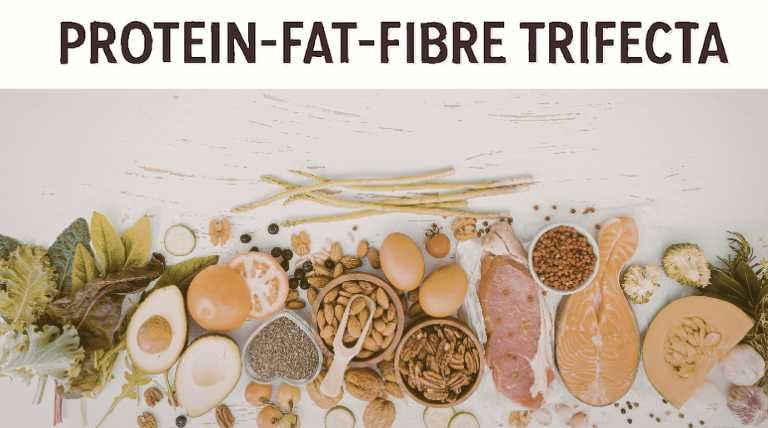
The Protein-Fat-Fibre Trifecta
Protein triggers GLP-1 secretion. Fibre slows down digestion and produces compounds that stimulate GLP-1. And then, healthy fats enhance GLP-1 response and improve overall hormone function.
As sports dietitian Tara Collingwood explains, “This is the not-so-secret secret.” Foods combining these three activate the “fullness factor” by stimulating GLP-1 and other satiety hormones.
Protein-Rich Foods
Eggs: A 2016 research review found that eggs—particularly egg whites—are effective at stimulating GLP-1 release. One study compared a bagel breakfast to a meal containing three eggs and found that the egg meal resulted in:
- Lower post-meal blood glucose
- Reduced feelings of hunger
- Decreased food intake over the next 24 hours
- Higher reported meal satisfaction
Other protein sources: Other high-quality proteins like lean meats, fish, and plant-based proteins may also help stimulate GLP-1 production.
Fibre-Rich Foods
Fibre slows digestion and at the same time feeds beneficial gut bacteria that help trigger GLP-1 release.
Whole grains: Oats, barley, and whole wheat contain soluble fibre that helps with a more gradual release of glucose into the bloodstream.
How fibre works: When fibre ferments in your gut, it produces short-chain fatty acids (SCFAs) like acetate, propionate, and butyrate. These SCFAs can stimulate GLP-1 release by binding to receptors on specialised cells in your intestines.
Vegetables: High-fibre vegetables like Brussels sprouts, broccoli, and carrots also have vitamins and minerals that support metabolic health. A 2022 study found that consuming vegetables before carbohydrates significantly affects glucose and GLP-1 levels in people with type 2 diabetes.
Healthy Fats
Olive oil: Monounsaturated fats in olive oil are effective at stimulating GLP-1 release. A 2021 review found that unsaturated fats (like those in olive oil) are better at triggering GLP-1 release than saturated fats. Studies in animals and humans showed that consuming olive oil led to increased GLP-1 secretion, improved insulin sensitivity, and better glucose tolerance.
Avocados: They offer a double benefit. A 2019 study found that including a whole avocado with a meal increased levels of GLP-1 and another appetite-regulating hormone called peptide YY, while reducing insulin levels.
Nuts and legumes: Almonds, pistachios, and peanuts may increase GLP-1 levels because of their unique combination of protein, fibre, and healthy fats.
Food Combinations for Maximum Effect
Combining protein, fibre, and healthy fats in meals may produce the strongest effect. The following are good examples of these combinations.
- Oatmeal topped with nuts and eggs on the side
- Greek yoghurt with berries and a sprinkle of nuts
- Salad with vegetables, avocado, olive oil dressing, and shredded chicken breast
- Whole grain toast with avocado and eggs
Exercise and GLP-1
Exercise and GLP-1 share an important physiological benefit. They both help improve insulin function by allowing cells to more effectively use glucose for energy. This suggests a potential relationship between physical activity and GLP-1 production.
Exercise influences GLP-1 levels in two ways:
- A single exercise session temporarily increases GLP-1 levels
- Regular exercise training may improve overall GLP-1 response
Exercise Recommendations
Experts recommend the following general exercise guidelines to maximise GLP-1 naturally.
- Aim for at least 150 minutes of moderate-intensity aerobic activity per week.
- Include resistance exercises at least twice weekly.
- Regular physical activity is likely more beneficial than occasional intense workouts.
- Choose activities you enjoy to increase long-term adherence.
Social Media Myths
Social media has become flooded with claims about “natural alternatives” and DIY concoctions promising similar effects. These trends often mix a kernel of scientific truth with exaggerated promises that confuse people about what actually works.
The “Oatzempic” Phenomenon
Oatzempic was a viral GLP-1 trend which is a mixture of:
- ½ cup of oats
- 1 cup of water
- Lime juice
Proponents claim this concoction mimics the effects of GLP-1 drugs like Ozempic. Here is what science actually tells us.
The facts: Oats contain soluble fibre, so they help slow digestion and increase satiety and GLP-1 production.
The reality check: “Drinking oats this way may raise GLP-1 in the body slightly, but it’s not anything like these injections,” explains Dr
Supriya Rao. The effects are fundamentally different in both mechanism and magnitude.
As dietitian Tara Collingwood notes, “I’d rather just eat a bowl of oatmeal.”
How to evaluate claims?
When you encounter claims about natural GLP-1 boosters, consider asking these questions.
- Is it based on actual research?
- Who’s making the claim? Is it a health professional or just someone selling a product?
- What’s the magnitude of the effect? If it’s high, isn’t this just exaggerated?
- Is it sustainable?
When to Consider Medical Intervention
Natural approaches to enhancing GLP-1 are not always sufficient for everyone.
Signs Which Indicate That Natural Approaches May Not Be Enough
You may discuss GLP-1 medications with a medical professional if:
- You have obesity with a BMI of 30 or higher, or 27+ with weight-related health conditions
- You have type 2 diabetes that isn’t well-controlled with lifestyle changes
- You have tried extensive changes to your lifestyle but still, no results
- You have health conditions where you need to lose extra weight
- You have regained weight even with maintained lifestyle changes
Conclusion
As you consider how to apply this information to your own health journey, remember that small, sustainable changes usually yield the best long-term results. Focus on making gradual improvements to your diet, activity level, and overall lifestyle.
And for those who may need additional support, today’s medical options and weight reduction programs provide more effective tools than ever before. Work with healthcare providers and weight loss experts so you know which is the most appropriate approach for your personal situation.