

Singapore’s War on Diabetes has brought national attention to a condition that usually goes unnoticed until it progresses: insulin resistance.
Insulin resistance happens when your cells stop responding effectively to insulin, the hormone responsible for shuttling glucose from your bloodstream into your cells for energy. When this happens, glucose remains in the blood, and the body compensates by producing more insulin to keep blood sugar levels stable.
Over time, this increased demand places strain on the pancreas. As insulin resistance worsens, blood sugar levels may rise, eventually increasing the risk of developing type 2 diabetes if left unaddressed.
The encouraging news is that scientific research consistently shows dietary changes can significantly improve insulin sensitivity. In fact, nutrition remains one of the most powerful tools for managing insulin resistance, often with effects that may rival or complement medication, especially when implemented early.
Why Your Food Choices Matter
To manage insulin resistance effectively, it helps to understand what’s happening inside your body.
How Our Bodies Respond After Eating
When you consume carbohydrates, especially refined ones like white rice or sugary drinks, your blood glucose levels tend to rise rapidly. Your pancreas responds by releasing insulin to help cells absorb that glucose.
When this process happens repeatedly over time, particularly with frequent high-sugar or refined-carbohydrate intake, cells can become less responsive to insulin. To compensate, the pancreas produces even more insulin in an effort to keep blood sugar levels under control.
Eventually, the pancreas may struggle to meet this increased demand, potentially leading to persistently elevated blood sugar levels.
A Vicious Cycle May Begin
High levels of insulin signal the body to store energy as fat (lipogenesis) and block fat breakdown (lipolysis). It tends to encourage fat storage, especially around the belly (visceral fat).
Visceral fat is metabolically active and releases inflammatory compounds into the bloodstream, which can impair insulin signalling in tissues such as the liver and skeletal muscle, potentially reducing their responsiveness to insulin.
In response, the pancreas may produce more insulin to compensate, which can further reinforce the vicious cycle.
Factors Contributing to Insulin Resistance and Diet Considerations
There are many possible causes of insulin resistance. Some are acquired, while others are hormonal disorders that can cause insulin resistance.
This is why an effective insulin resistance diet focuses not just on calories, but on the type of foods you eat and how they may affect your hormone regulation.
Core Principles of an Effective Insulin Resistance Diet

Science points to several key principles that form the foundation of a diet shown to support improved insulin sensitivity.
Prioritise Low-Glycemic-Index (GI) Foods
The Glycemic Index (GI) ranks carbohydrate-containing foods by how quickly they raise blood sugar.
- Pure glucose → 100
- Low-GI foods →Under 55
A low glycemic index diet for insulin resistance focuses on whole, fibre-rich foods that are digested more slowly, resulting in smaller increases in blood glucose and insulin.
Examples of low-GI foods include:
- Non-starchy vegetables
- Berries
- Legumes
- Whole grains
Including lean proteins and healthy fats in meals can further help moderate blood sugar responses.
Maximise Fibre Intake
Soluble fibre helps slow sugar absorption by forming a gel in the digestive tract. This slows stomach emptying and the release of glucose into the bloodstream, helping prevent rapid blood sugar spikes.
Examples of foods high in soluble fibre:
- Oats
- Beans
- Apples
- Citrus fruits
Insoluble fibre doesn’t form a gel but adds bulk to the stool, supports gut health, and may help improve insulin sensitivity indirectly. Many insoluble-fibre foods also contain small amounts of soluble fibre.
Examples of foods high in insoluble fibre:
- Carrots (also contain some soluble fibre)
- Avocados (also contain some soluble fibre + healthy fats)
- Whole wheat flour
- Bran
- Nuts
- Seeds
- Skins of many fruits and vegetables
Include Protein and Healthy Fats at Every Meal
Protein and healthy fats can help slow carbohydrate absorption, supporting more stable blood sugar levels. They may also help reduce inflammation and promote better blood sugar control.
Protein also stimulates glucagon, which helps balance the effects of insulin.
Some studies even suggest that high-protein diets can improve insulin sensitivity and glycemic variability (or the fluctuations in your blood sugar levels), though individual responses may vary.
Follow the Plate Method
The Diabetes Plate Method is a simple meal-planning tool for anyone, including those with prediabetes, who need to manage their blood sugar.
It makes it easier to plan balanced, nutritious meals.
- Half your plate: Non-starchy vegetables
- Quarter plate: Lean protein
- Quarter plate: Complex carbohydrates like whole grains
Healthy fats can be included in small amounts alongside the meal.
Foods to Include in Your Diet

Build your insulin resistance diet around the following foods.
| High-Fibre Veggies
(These are generally good choices.) |
|
| Complex Carbohydrates
(If you are looking for healthier food choices, look out for the Healthier Choice Symbol.) |
|
| Lean Proteins
(These foods may help improve metabolic health and manage weight.) |
|
| Low-Moderate Sugar Fruits
(Focus on these fruits for fibre and antioxidants. Just be mindful of portion sizes.) |
|
The Foods to Limit or Avoid

Managing insulin resistance isn’t just about what to eat; it’s also important to know which foods to limit or avoid.
| Refined Carbohydrates
(These can quickly spike blood sugar.) |
|
| Liquid Sugars
(Limit all drinks with added sugar, and those that are high in natural sugars but lack fibre.) |
|
| Ultra-Processed Snacks
(Highly processed foods with added sugar, salt, and unhealthy fats contribute little nutritional value and should be limited. They promote blood sugar spikes, inflammation, and fat gain, all of which make your body less responsive to insulin. |
|
| Trans Fats and Deep-Fried Foods
(These have unhealthy fat content, high calories, and a tendency to promote inflammation and weight gain, potentially making cells less responsive to insulin.) |
|
Navigating the Food Landscape in Singapore
Eating well does not mean prohibiting yourself from eating at hawker centres or completely avoiding social meals. It requires making smart choices.
Making Healthier Choices at Hawker Centres
Make better choices when eating outside. You can adopt these strategies:
- Cai Fan: Choose two vegetable dishes and one protein. Skip the gravy and fried items.
- Thunder Tea Rice: A naturally fibre-rich option with vegetables and minimal processing.
- Chicken Rice: Choose steamed chicken rather than “roasted” (often fried) chicken. Ask for less rice or add extra vegetables, and skip or reduce oily sauces.
- Egg Dishes / Kai Options: Choose plain omelettes, steamed eggs, or soft-boiled eggs with vegetables; avoid heavily fried versions.
- Stir-Fried Vegetables with Protein: Opt for dishes like stir-fried kailan, broccoli, or cabbage with tofu, egg, or lean meat; request minimal oil.
Laksa, nasi lemak, and char kway teow are typically high in refined carbs and cooked in large amounts of oil, often refined seed or vegetable oils. These can contribute to excess calories and inflammation, so consider saving them for special occasions rather than regular meals
Social Dining Tips
At zi char dinners or wedding banquets, look for steamed fish or stir-fried vegetables. Consider taking smaller portions of rice and noodles, and politely decline seconds of fried items.
Lifestyle Factors That Matter
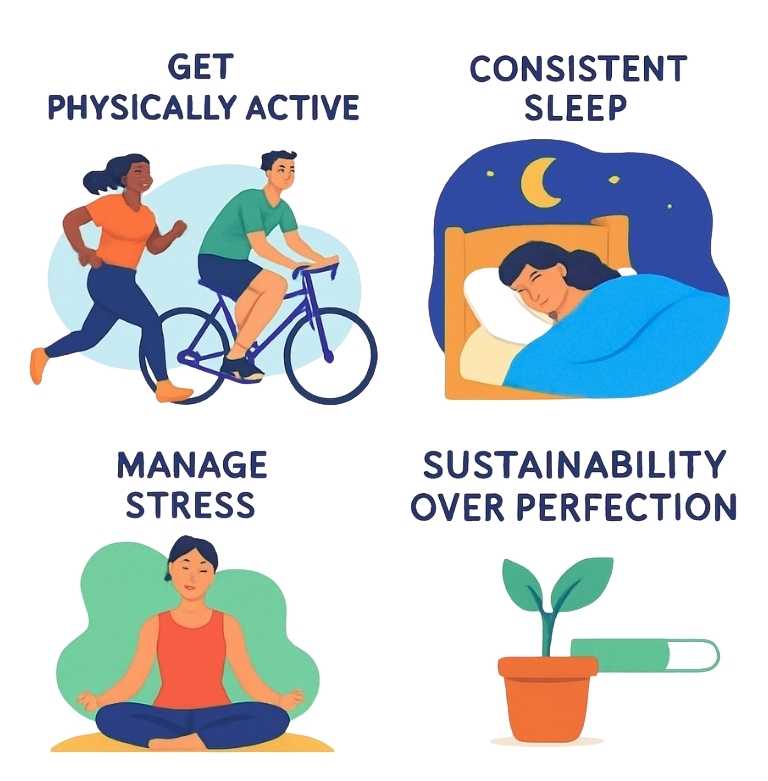
Diet forms the foundation of insulin resistance management, but it works best when supported by key lifestyle habits. You can further improve insulin sensitivity by making certain lifestyle changes.
Get Physically Active
Just 30 minutes of moderate exercise, whether aerobic such as brisk walking or cycling, or resistance training such as weightlifting or bodyweight exercises, can help your muscles absorb glucose without requiring as much insulin and improve overall insulin sensitivity, as supported by scientific evidence (American Diabetes Association, 2019).
Consistent Sleep
A consistent sleep schedule aligns with your body’s internal clock, optimising how your body manages blood sugar.
When you lack sleep, cortisol levels may rise and disrupt appetite hormones, possibly making insulin less effective and increasing hunger.
Poor sleep can also impair glucose metabolism. When this happens, the body may need to produce more insulin to maintain normal blood sugar levels, which, over time, can contribute to reduced insulin sensitivity.
Aim for seven to nine hours of sleep. It may help to go to bed and wake up at the same time daily, even on weekends, to maintain your body’s rhythm. Consistency is key.
If you are consistently tired, it’s advisable to get a sleep study to rule out disorders like sleep apnoea.
Manage Stress
Stress can affect your body’s ability to regulate blood sugar. It puts the body into fight-or-flight mode and stimulates the production of cortisol and glucagon.
These hormones signal your body to release stored sugar into your blood so you have a quick energy source. If stress is chronic, these hormones may stay elevated, which can push more sugar into your bloodstream even when you don’t need it.
As a result, blood sugar and insulin levels may remain high, and this can harm your body in the long run.
Activities like meditation, deep breathing, or mindful breaks are a great way to reduce stress and potentially increase insulin sensitivity.
Sustainability Over Perfection
The most effective insulin resistance diet is one that you can maintain long-term.
Drastic measures can backfire and may lead to cycles of deprivation and overeating.
Conclusion
Managing insulin resistance is about small, consistent steps, meal by meal. Focus on whole, fibre-rich foods, balanced with protein and healthy fats, and pair them with regular activity, adequate sleep, and stress management.
Over time, these everyday choices can lead to meaningful improvements in insulin sensitivity and long-term health. Your journey starts with your next meal, so make it count.