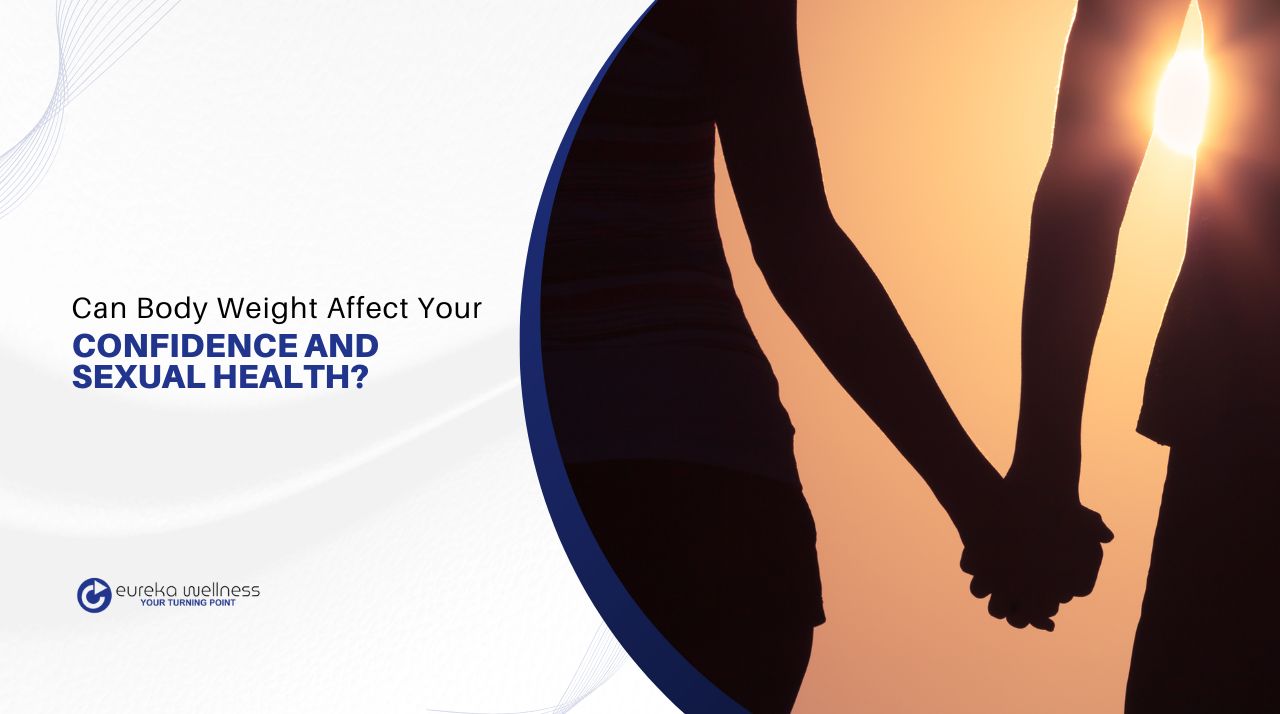


Body weight affects our quality of life. Excessive weight poses a high risk of developing chronic diseases like type 2 diabetes, heart disease, some cancers, sleep apnea, and more.
It also impacts our confidence and sexual health at the same time. An overweight or obese person may experience social anxiety and negative body image. This is why it’s important to talk about weight’s impact beyond physical health concerns, so one can take a proactive approach to building sustainable habits for weight loss.
Body Weight and Psychological Impact
Obesity is a complex health condition that has psychological consequences. When a person is carrying excess weight, he or she is at risk for a range of mental health issues. Examples are low self-esteem, body image problems, eating disorders, and even depression.
The stigma and discrimination often faced by obese/overweight people further exacerbate these psychological challenges. The health problems linked to obesity can also take a toll on one’s mental well-being.
A Sample Scenario
Jennifer is a 25-year-old woman who has been struggling with her weight since her teenage years. She is not clinically obese, but she carries a few extra pounds that may have contributed significantly to her anxiety and self-consciousness.
Jennifer compares herself to images she sees on social media, which are usually unrealistic portrayals of beauty reinforcing her feelings of inadequacy. She also feels less confident in social situations, which is why at times, she avoids social gatherings because she fears being judged. She believes that her weight makes her less desirable or less worthy of attention and respect.
These are but some struggles obese and/or overweight individuals are facing most, if not some, of their days. They can become more serious issues.
The Physiology of Weight and Sexual Health
Hormonal Changes
In men, excess adipose tissue (or body fat) converts androgens into oestrogens through a process called aromatisation. This conversion may lead to lower testosterone levels that can affect sexual function and desire.
For women, obesity alters SHBG or sex hormone-binding globulin which leads to changes in how the body processes hormones like testosterone and oestrogen. These hormonal imbalances affect menstruation, fertility, and sexual function.
Medical Conditions
Some obesity-related health conditions also affect sexual health. Type 2 diabetes, for instance, which is common in people with obesity, can damage nerve endings and blood vessels that are essential for sexual response. This can affect men with diabetes through erectile difficulties, to be specific.
Studies also show that there is a strong correlation between blood pressure concerns and sexual dysfunction. Many medications can cause sexual side effects such as low desire for sex and delayed orgasm.
Physical Limitations
Carrying excess weight is a challenge to overcome, as it hinders physical intimacy through limited mobility and flexibility. Some sexual positions may be uncomfortable or difficult.
Aside from this, other people may experience difficulty breathing and joint pain that can affect their ability to engage in prolonged physical activity. Sexual satisfaction and performance are affected.
Sexual Dysfunction: A Closer Look

Sexual dysfunction affects men and women with obesity differently.
Men’s Perspective
Obese men frequently report challenges with erectile function. Studies show that this affects the majority of men seeking weight loss treatment. The relationship is strong in those with higher levels of body fat.
Women’s Perspective
Research indicates that approximately 6 out of 10 women considering weight loss surgery report sexual dysfunction. These issues span multiple aspects of sexual health, including decreased desire, arousal difficulties, and reduced satisfaction.
Concerns around body image play an important role, as many women report physical appearance affects their willingness to engage in intimate activities. The hormonal changes associated with excess weight also exacerbate conditions like PCOS or polycystic ovary syndrome.
These conditions can affect sexual function through multiple pathways (e.g., hormonal imbalances, physical discomfort, and psychological impact).
The relationship between weight and sexual function in women appears to be complex, involving both physiological and psychological factors. Research findings show that addressing weight-related issues through appropriate interventions improves sexual function for both sexes.
How Weight Loss Can Restore Confidence and Improve Sexual Health
Even modest weight loss through lifestyle changes can yield meaningful improvements in sexual health. Men who lost approximately 5% of their body weight through lifestyle modification programs experienced significant improvements in self-reported and physiological measures of sexual function. This improvement was notable in men with obesity-related conditions like hypertension.
The benefits extend beyond physical function. Weight losses of 5-10% achieved through lifestyle changes and/or medication have shown positive effects on sex hormone levels. These improvements can improve sexual function and desire.
Bariatric surgery has demonstrated impressive results in improving sexual health and function.
- For men, findings reported improvements in all domains of sexual functioning within the first few postoperative years are seen in men who underwent gastric bypass. The degree of improvement usually correlates with the amount of weight lost which suggests a direct relationship between weight reduction and sexual health improvement.
- For women, bariatric surgery and the resulting weight loss (typically around ⅓ of body weight) led to significant improvements in sexual satisfaction, desire, arousal, and frequency of orgasm over the first two postoperative years. These changes were accompanied by notable improvements in reproductive hormone levels, as well as decreases in estradiol, total testosterone, and DHEA-S and increases in FSH, LH, and SHBG.
Both non-surgical and surgical interventions have shown promise in improving sexual health. The choice between them depends on individual factors like the degree of obesity, the presence of comorbidities, and personal preferences.
Addressing Common Misconceptions
It is also important that we address misconceptions about the relationship between weight and sexual health so that many people can avoid misunderstandings and delayed treatment.
Sexual Dysfunction is Only Psychological
Psychological factors play a role, and so does obesity. The relationship involves complex interactions between hormones, blood flow, nerve function, and various medical conditions.
Only Extreme Obesity Affects Sexual Health
Sexual function can be affected across different levels of obesity. The truth is, the effects are more pronounced in those with higher BMIs. However, even moderate obesity can cause hormonal imbalance and influence conditions affecting sexual health.
Weight Loss Won’t Help Once Problems Develop
Multiple studies have reported that weight loss, whether through changes to lifestyle or through surgery, can significantly improve sexual function. Even modest weight losses of 5% have measurable improvements in sexual health markers.
Sexual Problems are Permanent
Many weight-related sexual health issues are reversible. For example, in studies of bariatric surgery patients, there are improvements in sexual function after weight loss (both hormonal and physical).
Medical Conditions (Not the Weight) Cause Sexual Problems
It is true that conditions like diabetes and high blood pressure affect sexual function. But it also proven that excess weight has a direct impact on sexual health through hormonal changes and physical limitations.
Obesity may also contribute to the development or worsen these medical conditions.
Conclusion
Individuals can work toward improving their physical health and sexual well-being with the right intervention and support. If you are considering a weight reduction program, it is most effective when a professional coach guides you towards your weight loss goals, so you can reclaim your confidence and improve your overall quality of life.