

Living with PCOS can feel like an uphill battle particularly if you are trying to manage your weight. If you are one of the millions of women with this condition, you’ve likely experienced the frustration of trying different diets and exercise routines, only to see minimal results. The unique hormonal imbalances associated with PCOS can make weight loss challenging but it’s far from impossible.
Let’s explore effective strategies so you can successfully lose weight even with PCOS. We’ll talk about what approaches work with your body, not against it, and management techniques that can make a big difference.
PCOS and Its Impact on Weight
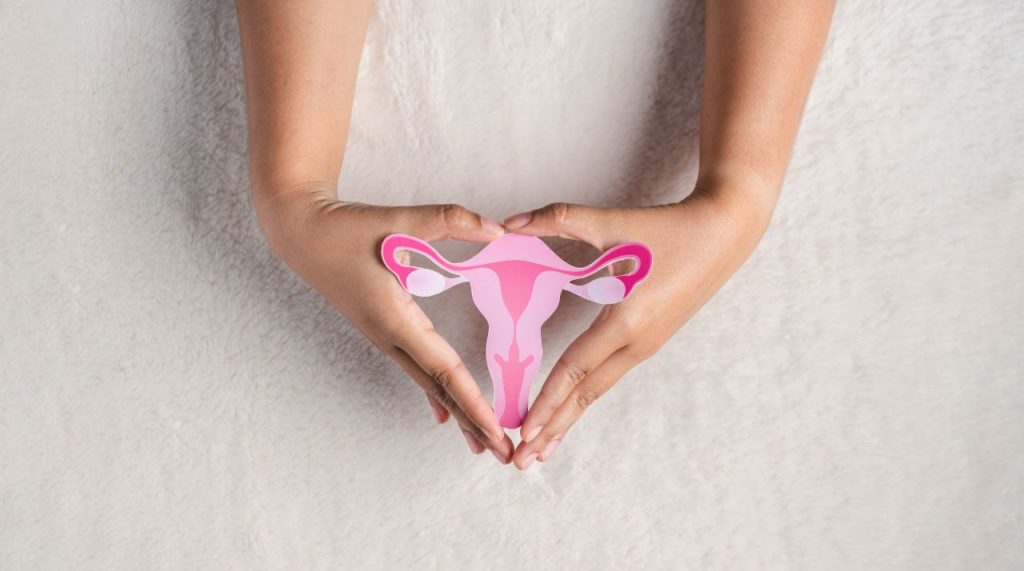
Polycystic Ovary Syndrome (PCOS) is a complex hormonal disorder affecting millions of women worldwide. It is primarily known for its effects on reproductive health, but PCOS also has an impact on body weight and metabolism. The following are insights into why managing weight can be challenging for those with this condition.
The PCOS-Weight Connection
PCOS and weight gain often go hand in hand, creating a frustrating cycle for many women. Research indicates that 38-88% of women with PCOS struggle with being overweight or obese. This higher prevalence of weight issues isn’t just coincidental. It is deeply rooted in the hormonal imbalances characteristic of PCOS.
Hormonal Imbalances and Metabolism
At the core of PCOS’s impact on weight is a complex interplay of hormones.
- Many women with PCOS develop insulin resistance, where cells become less responsive to insulin. This can lead to increased insulin production and, eventually, weight gain.
- PCOS is associated with higher levels of androgens (male hormones) which can influence fat distribution and make weight loss more challenging.
- Some studies suggest that women with PCOS may have altered cortisol metabolism. This potentially affects stress responses and weight regulation.
The ‘PCOS Body Type’ and Metabolic Consequences
Women with PCOS often experience a distinct pattern of weight gain. Weight tends to accumulate around the midsection. It creates an “apple-shaped” body type. The hormonal imbalances make traditional weight loss methods less effective.
The weight gain associated with PCOS isn’t just a cosmetic concern. It can have serious metabolic consequences like increased risk of type 2 diabetes, heart disease, and inflammation.
Dietary Strategies for PCOS Weight Management
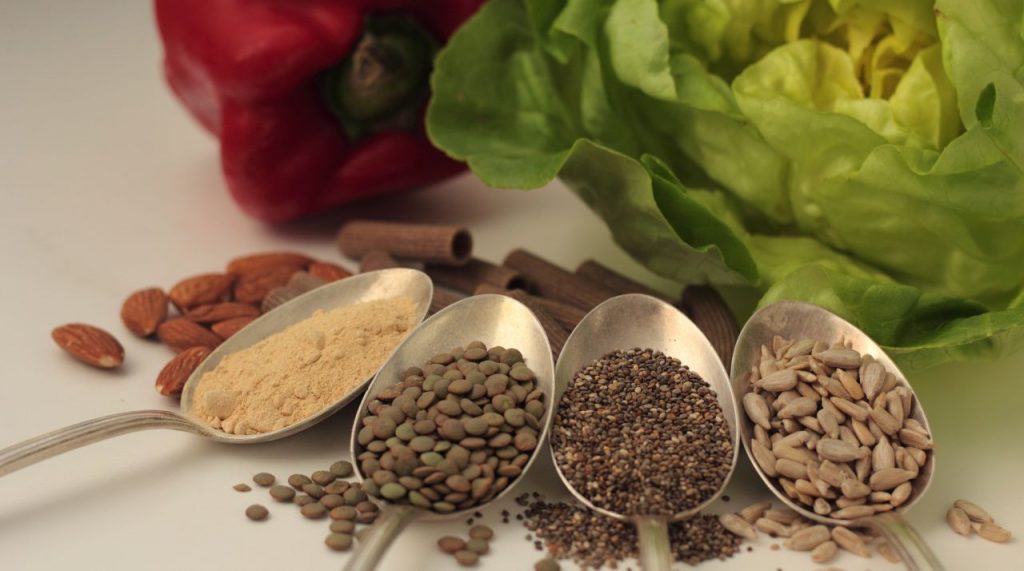
The challenge of managing weight when you have PCOS is there, but here are eight (8) dietary strategies you can follow to navigate this condition effectively.
-
Monitor Portion Sizes
You may think that being aware of portion sizes doesn’t make much of a difference, but it does. Use smaller plates, measure servings, and be mindful of how much you’re eating. This simple strategy helps reduce your calorie intake without feeling deprived.
-
Eat Whole Grains and High-Fibre Foods
Choose to eat fibre-rich whole grains and non-starchy veggies. These are low-glycemic carbohydrates, meaning they help stabilise your blood sugar levels and improve insulin sensitivity. Options like brown rice, quinoa, oats, and legumes are excellent choices. They also help you feel full (satiated) faster. As a result, it reduces your overall calorie intake.
-
Limit Added Sugars
Consuming sugar can worsen PCOS. It culminates the body into a stressful state, so you must limit sugar. Reduce your intake of sugary beverages, desserts, and processed foods. As a healthier alternative, you may opt for small amounts of honey when needed.
-
Balance Your Plate
Aim for a balanced plate at each meal. Include lean proteins, complex carbohydrates, and plenty of vegetables. The goal is to maintain steady blood sugar levels and provide essential nutrients to the body.
-
Limit Added Salt
Salt doesn’t directly impact weight, but excessive sodium intake can lead to water retention and bloating. Choose fresh foods over processed ones and use herbs and spices to flavour your meals instead of salt.
-
Choose Heart-Healthy Fats
Not all fats are created equal. Focus on incorporating heart-healthy fats like those found in avocados, nuts, seeds, and olive oil. These fats can help improve cholesterol levels and reduce inflammation, both of which are beneficial for PCOS management.
-
Hydrate with Water
Hydration is also important. Water can help you feel full to avoid overeating. Aim for at least eight glasses a day and consider replacing your beloved sugary drinks with water or herbal teas.
-
Avoid Refined Carbohydrates
White bread, pasta, and sugary snacks can cause rapid spikes in your blood sugar levels and worsen insulin resistance. It may also contribute to weight gain. Instead, choose complex carbohydrates as they provide sustained energy and better blood sugar control.
Implementing these strategies can alleviate some PCOS symptoms and manage weight. Remember, everyone’s body responds differently, so it may take some time to find the right balance for you.
The Role of Exercise and Physical Activity

Getting physically active is not just beneficial, but also essential. Exercise plays an important role in managing the symptoms of PCOS. Here is how physical activity can make a world of difference.
Facilitating Weight Loss
Engaging in regular physical activity helps burn calories, build lean muscle mass, and boost metabolism. This combination of benefits leads to effective weight loss or weight maintenance which is crucial for managing PCOS symptoms.
To yield the best results, try to engage in a mix of cardio exercises (like brisk walking, jogging, and cycling) and strength training. Aim for at least 150 minutes of moderate-intensity exercise per week or 75 minutes of vigorous-intensity activity, as recommended by health professionals.
Improving Insulin Sensitivity
Regular exercise also significantly improves insulin sensitivity. It helps your body use insulin more effectively. Both aerobic exercises and resistance training have been shown to improve insulin sensitivity. High-Intensity Interval Training (HIIT) has also proven particularly effective in improving insulin function in women with PCOS.
Reducing Cardiovascular Disease Risk
Women with PCOS have a higher risk of developing cardiovascular disease due to factors like insulin resistance, obesity, and high cholesterol levels. Regular physical activity is one of the most effective ways to reduce this risk.
Exercise helps lower blood pressure, improve cholesterol profiles, and strengthen the heart. Activities like brisk walking, swimming, and cycling improve cardiovascular health. Strive to incorporate at least 30 minutes of moderate-intensity cardio exercise most days of the week.
Regulating Hormonal Imbalances
Physical activity has been shown to reduce testosterone levels and increase sex hormone-binding globulin (SHBG) which helps control the amount of testosterone circulating in the body.
Exercise also helps balance other hormones like cortisol (the stress hormone) and endorphins (feel-good hormones) which can have positive effects on mood and stress levels—common concerns for women with PCOS.
Lifestyle and Stress Management
When you are considering how to lose weight with PCOS, it is important that you look beyond diet and exercise. Lifestyle factors, particularly sleep and stress management, play a vital role in hormonal balance and weight control.
The Importance of Quality Sleep
Quality sleep is often overlooked in weight management strategies. Did you know that sleep is essential for regulating hormones that control appetite and metabolism? Poor sleep can disrupt these hormones and may cause you to crave or get easily hungry.
Also, restricting your sleep to 6.2 hours or less every night over six weeks can lead to a 14.8% increase in insulin resistance, which in turn can increase blood sugar levels. It also elevates cortisol levels. This only means that you will have cravings for sweet, fatty, and salty foods when you have elevated cortisol levels.
What to do to improve sleep quality: Establish a consistent sleep schedule. Create a relaxing bedtime routine. Make sure that your room is dark, quiet, and cool.
The Impact of Chronic Stress
To effectively and sustainably manage your weight when you have PCOS, it is important that you find ways to manage stress. Prolonged stress leads to excessive cortisol production, worsen insulin resistance, and disrupt the delicate hormonal balance in PCOS.
You should know the signs when you feel stressed. Take time to relax. Be proactive and get physically active, and then eat healthy. If everything around you is too much, you can talk about your concerns and emotions to friends, family, and even your doctor. It is when you successfully navigate what stresses you out that you can finally begin to see a positive change in your condition and weight.
The Takeaway
Do not underestimate the power of good sleep and effective stress management. Successful weight loss with PCOS often requires a holistic approach. Over time, these changes that you make in your system can lead to significant improvements in your PCOS symptoms and overall well-being.
The Most Effective Ways to Lose Weight When You Have PCOS
We have summarised the list of the most effective ways to achieve successful weight loss when you have PCOS, so you can create your own checklist and start as soon as possible.
- Follow a balanced, low-glycemic diet.
- Practice portion control.
- Limit refined carbohydrates and added sugars.
- Incorporate regular exercise.
- Prioritise quality sleep.
- Manage stress effectively.
- Stay hydrated.
- Choose heart-healthy fats.
Again, what works best can vary from person to person. So it’s essential to consult with a healthcare professional or registered dietitian to have a personalised plan that suits your needs and health status.
Are Weight Loss Programs Recommended For Women with PCOS?
Weight loss programs can be beneficial for women with PCOS, but it’s crucial to choose one that understands the unique challenges of this condition. Before starting any program, consult with your healthcare provider to ensure it’s appropriate for your specific situation. They can offer personalised advice based on your medical history and current health status.
Once you’ve received medical guidance, it’s encouraging to look at success stories from others with similar challenges. For inspiration and a real-life example of success, check out Lynn’s weight loss journal. Our client, Lynn, is diagnosed with PCOS but she managed to lose weight sustainably via the Eureka Wellness program.
If you are also facing weight loss issues due to hormonal imbalances, look no further. Eureka Wellness has the solution for you to lose weight effectively and healthily!
Ready to start your own success story? Contact us to book a free consultation.