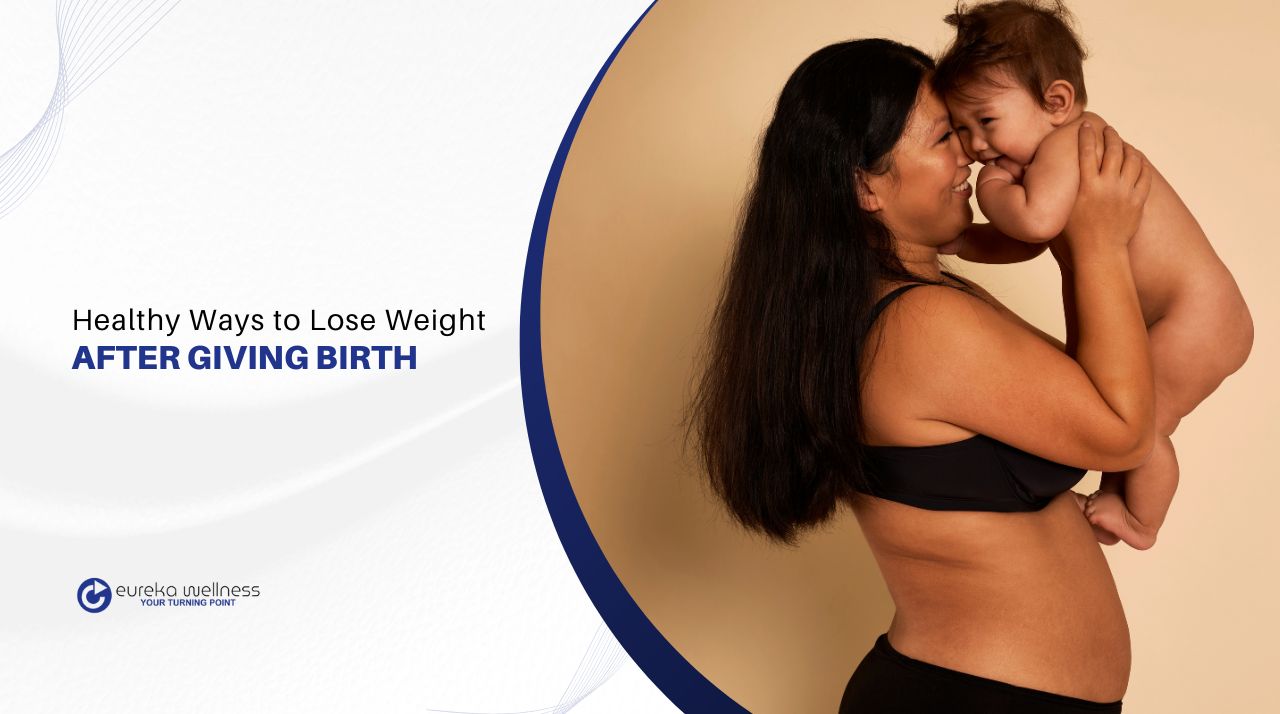


It’s only natural that you want to return to your pre-pregnancy weight as soon as possible. However, achieving a healthy weight after giving birth is not easy. Aside from the stress of caring for your newborn, you will adjust to a new routine, and your body will need to recover from pregnancy.
So don’t rush the process, as it can affect your recovery, your energy levels throughout the day, and your milk supply (if you’re breastfeeding).
Let’s go over some safe and effective ways to achieve a healthy postpartum weight.
What Contributes to Pregnancy Weight Gain
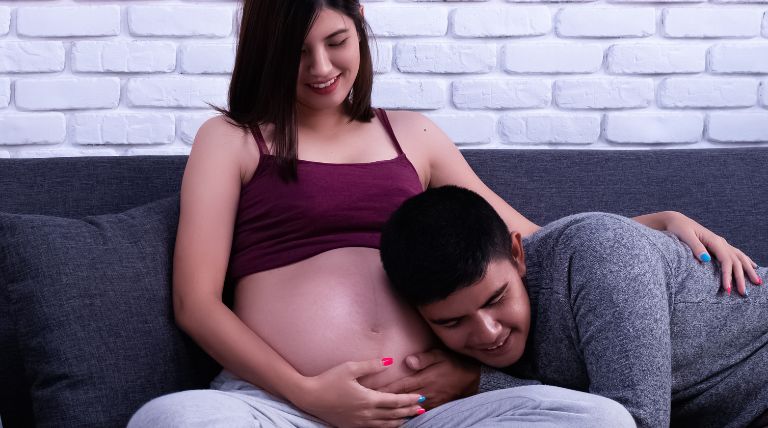
When you understand where pregnancy weight, or as others call it, “baby weight,” comes from, you might be more patient and self-compassionate about your postpartum weight loss journey.
During pregnancy, your body gains weight for the following essential purposes.
Your Baby’s Development
The most obvious source of pregnancy weight is your growing baby. However, this only accounts for a portion of your total pregnancy weight gain. Your body builds up additional weight to support various aspects of pregnancy and prepare for motherhood.
Pregnancy Support Systems
Here are crucial components contributing to your pregnancy weight:
- The placenta, which nourishes your baby throughout pregnancy
- Amniotic fluid that protects and cushions your baby
- Increased blood volume to support both you and your baby
- Enlarged uterus to house your growing baby
Preparation for Breastfeeding
Your body naturally stores extra fat during pregnancy as an energy reserve for the following:
- Supporting breast tissue growth as it prepares for milk production
- Providing the extra energy needed for breastfeeding
- Ensuring adequate nutrition for both mother and baby during the breastfeeding period
Natural Body Changes
Other weight gains come from normal body adaptations such as extra fluid retention, increased tissue and muscle mass.
Normal Weight Loss Timeline
Here is what typically happens in the months following delivery.
First Six weeks or the (Postpartum Period)
Most women lose about half of the weight that was gained during the pregnancy period. This initial weight loss comes from the birth of the baby, delivery of the placenta, loss of amniotic fluid, and natural uterus shrinkage as it returns to its pre-pregnancy size.
Six Weeks to Six Months
The good news is that this period marks the start of active weight loss efforts, but you must be patient. Your body is still healing from childbirth. Weight loss should be gradual (around 0.5 to 0.7 kg per week).
And if you are breastfeeding, your body needs extra calories (daily: 340-400 more kcal than the amount you consumed pre-pregnancy) to properly nourish your baby. You may also notice slower weight loss in the first three months of breastfeeding and more consistent weight loss beyond these months of breastfeeding.
Six to Twelve Months
This is usually when most women see steady progress in their weight loss. With healthy eating and regular exercise, you can expect gradual but continued weight loss.
Most women can aim to return to their pre-pregnancy weight during this time while some women may take longer, which is perfectly normal.
Important Things to Consider:
- Every woman’s journey is different.
- Your body may have undergone lasting changes.
- You might have a slightly different shape even after reaching your goal weight.
- Focus on your overall health, not only on the numbers on the scale.
- Sustainable weight loss is more important than quick results.
Rushing the process through crash diets or excessive exercise can be counterproductive and this can be potentially harmful to your health and recovery. Give your body the time it needs and build healthy habits that support your weight loss goals and your role as a new mum.
Safe Weight Loss Guidelines
A thoughtful approach is needed when getting back to a healthy weight after pregnancy, and that is one that prioritises your recovery and your baby’s needs.
When to Begin
After natural delivery, wait until your 6-week postpartum checkup. Get clearance from your healthcare provider before starting any exercise routine.
Begin with gentle activities and then gradually increase the intensity over time.
After C-section delivery, you may need additional recovery time. Strictly follow your doctor’s specific guidelines, and pay attention to your incision site.
Special Considerations for Breastfeeding Mums
- Wait until your baby is at least 2 months old.
- Make sure your milk supply has stabilised.
- Ensure you’re getting enough calories (about 500 extra calories daily).
- Stay well-hydrated.
Safe Calorie Guidelines
- Never go below the minimum calories needed for basic functions.
- If you are breastfeeding, maintain at least 2,000 to 2,800 calories daily.
- If not, consume at least 1,600 to 2,400 calories daily, depending on your activity level
Signs You Are Losing Weight Too Quickly
You are/experience/feel:
- Excessively tired or weak
- Decreased milk supply if breastfeeding
- Dizziness or lightheadedness
- Difficulty concentrating
- Mood changes or irritability
Nutrition Strategies for Healthy Weight Loss
A balanced, nutritious diet is the cornerstone of healthy postpartum weight loss. Here is a short guide on nourishing your body while working toward your weight loss goals.
Meal Planning Basics
Don’t skip meals, especially breakfast. Aim for 5-6 smaller meals throughout the day, and space meals evenly.
If time permits, eat mindfully without multitasking.
Essential Nutrients
Eat nutrient-dense foods that support recovery and energy.
- High-Fiber Foods
- Choose whole grains like brown rice, quinoa, and oats.
- Include plenty of fresh vegetables and fruits.
- Add legumes like lentils and beans.
- Lean Proteins
- Include low-mercury fish in your diet.
- Choose lean meats.
- Add eggs for quick protein.
- Include legumes and nuts.
- Consider low-fat dairy products.
- Healthy Fats
- Add nuts and seeds.
- Include avocados.
- Use olive oil and/or coconut oil in moderation.
Smart Food Swaps
Make these simple changes (food alternatives) for better nutrition of the postpartum body.
- Choose whole fruits instead of fruit juices.
- Choose steamed, broiled or baked foods over fried options.
- Pick whole-grain bread over refined white bread.
- Opt for plain yoghurt with fresh fruit instead of pre-flavoured varieties.
Healthy Snacking Options
You may want to keep these nutritious snacks readily available.
- Cut veggies with hummus
- Fresh fruit with a small handful of nuts
- Greek yoghurt with homemade granola
- Hard-boiled eggs
- Apple slices with unsweetened peanut butter
- String cheese with whole-grain crackers
What to Limit/Avoid
Cross the following items out from your food list as they hinder your progress.
- Sugary drinks and sodas
- Processed snacks and sweets
- Artificial sweeteners
- Excessive caffeine
- High-sodium packaged foods
- Trans fats and saturated fats
Exercise After Childbirth
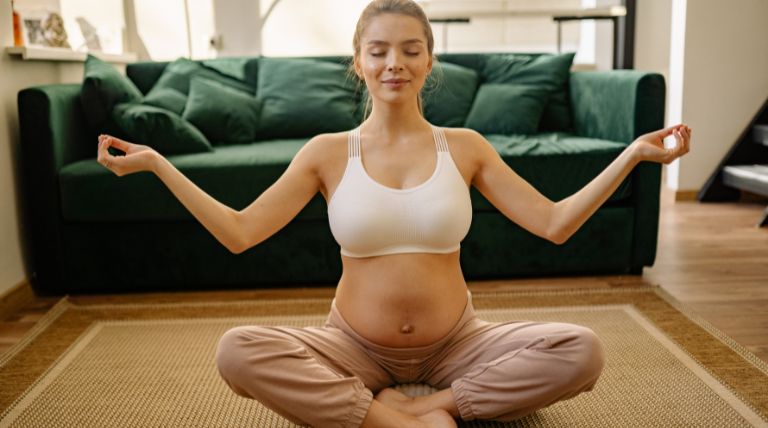
You can start with the following activities and progress as you feel stronger.
Walking
- Perfect starting exercise
- Begin with short walks around your neighbourhood
- Use a stroller if you need added resistance
- Slowly increase the distance and pace
- If possible, walk in nature or parks
Low-Impact Aerobics
- It’s a gentle cardio to rebuild fitness
- Focus on controlled movements
- Avoid jumping or high-impact activities at first
- Consider postnatal-specific classes
Modified Pilates
- It helps strengthen core muscles,
- Improves posture, and
- Supports pelvic floor recovery
- Look for postnatal Pilates classes
Postnatal Yoga
- It enhances flexibility,
- Reduces stress,
- Improves balance,
- Strengthens muscles gradually, and
- Provides mental relaxation
Swimming
- Excellent low-impact exercise
- Strength building but gentle to the joints
- Go for a swim once the bleeding has stopped
- Begin with gentle strokes
- Consider postnatal swimming classes
Exercise Guidelines
Follow these guidelines to safely progress throughout your weight loss journey.
- Aim for 150 minutes of moderate activity per week.
- Break exercise into smaller 10-15 minute sessions.
- Exercise when your baby is asleep or has been fed.
- Make sure you’re hydrated before, during, and after exercise.
- Wear a supportive sports bra, especially if you’re breastfeeding
Common Challenges & Solutions
Here are some common obstacles you might face along the way, but worry not, for we also have solutions to overcome them.
- Finding time to exercise and prepare healthy meals.
- Solutions:
- Break the exercise into ten or 15-minute segments.
- Meal prep when the baby is sleeping.
- Keep pre-cut veggies and healthy snacks ready.
- Use a baby carrier or stroller for walking exercises.
- Solutions:
- Feeling too tired to exercise or cook healthy meals.
- Solutions:
- Start with gentle activities like short walks.
- Share meal prep duties with family members.
- Choose energising snacks like fruits with nuts.
- Make sure you’re drinking enough water.
- Schedule activities when you have more energy.
- Solutions:
- Experiencing intense hunger, especially while breastfeeding.
- Solutions:
- Get your healthy snacks (because you had them ready in 1.a.iii).
- Plan regular, balanced meals.
- Don’t forget to include protein in every meal.
- Keep trigger foods out of the house.
- Solutions:
- Using food to cope with postpartum stress.
- Solutions:
- Find other stress relief methods like deep breathing.
- Connect with other new mums for guidance or pieces of advice.
- Practise mindful eating.
- Keep a mood journal to know what triggers you.
- Consider counselling.
- Solutions:
- Skipping meals due to an unpredictable baby schedule.
- Solutions:
- The snacks should not only be healthy but also portable.
- Set meal reminders on your phone.
- Keep nutritious, ready-to-eat foods available.
- Consider batch cooking when you have time.
- Keep healthy frozen meals as a backup.
- Solutions:
- Staying motivated when progress feels slow.
- Solutions:
- Set small, achievable goals.
- Track non-scale victories like renewed energy and better fitting clothes.
- Take progress photos.
- Join a postpartum support group.
- Celebrate small successes.
- Solutions:
- Worrying about milk supply while you are trying to lose weight.
- Solutions:
- Just make sure you’re getting enough calories.
- Drink plenty of water.
- Monitor your baby’s growth and feeding patterns.
- Consult with a lactation consultant if needed.
- Solutions:
- Feeling pressured to “bounce back” quickly.
- Solutions:
- Set realistic expectations.
- Surround yourself with supportive people.
- Limit the use of social media if it triggers negative emotions.
- Always celebrate your body’s achievements, no matter how small or big they are.
- Solutions:
Facing these challenges is normal. Encountering them does not mean that you’re failing. Accept all the help you can get and try various solutions until they work for your specific situation and lifestyle.
Conclusion
Always remember that, just like your motherhood experience, your journey to lose weight after pregnancy is unique and personal. Your body has accomplished something remarkable in bringing a new life into the world, so it deserves the patience and care as it transitions to its new normal.
One way to start your postpartum wellness journey is to talk to our dedicated weight loss coaches at Eureka Wellness, who provide safe and professional weight loss guidance. Get in touch to schedule a free, no-obligation discussion.