

Losing weight often feels like a solo trek, but knowledge is power when it comes to reaching your goals. This is especially true when grocery shopping. Though produce packs the most nutritional punch, other healthy picks can be found across the store. Let this guide show you how to create a shopping list that supports your success as you embark on your journey with the best weight loss program in Singapore.
The Foundation of Effective Weight Loss

The basic principle in achieving your weight loss goals is that you need to burn more calories than you consume. This calorie deficit forces your body to draw from its fat stores for energy, which leads to weight loss over time. But if you focus solely on calories, you overlook the importance of nutrition quality. Not all calories have the same impact on your health.
Focus on eating plenty of nutrient-dense whole foods to lose weight in a sustainable and healthy way. Fill your diet with fruits, vegetables, lean proteins, whole grains, low-fat dairy, nuts, seeds and healthy fats from sources like olive oil and avocado. These foods provide essential vitamins, minerals, fibre, antioxidants and other beneficial compounds to support your body’s needs. They also promote feelings of fullness (satiety) due to their high volume of fibre content relative to their calorie counts.
On the other hand, highly processed foods like pastries, sugary cereals, junk food and frozen meals contain empty calories and lack nutritional value. They are often high in unhealthy fats, added sugars, sodium and chemical additives. These poor quality calories can lead to weight gain and negatively impact your health over time.
What Does Research Say?

Research consistently shows that the quality of the foods you eat matters more for weight loss than the specific number of calories. Sticking to a balanced, minimally processed diet with appropriate portion sizes is the most effective approach for long-term success. This consistency with your food choices enables you to reach and maintain a healthy weight without extreme restriction or deprivation.
Adopting healthy eating habits focused on quality nutrition sets you up for sustainable weight loss. Make whole foods like produce (fruits and vegetables), lean proteins, whole grains and low-fat dairy your dietary mainstays. Enjoy treats in moderation as part of an overall balanced diet tailored to your calorie needs. With this mindset, you can achieve your weight goals and improve your well-being for years to come.
Grocery List Essentials
-
Fresh Produce
Fresh Fruits to Consider
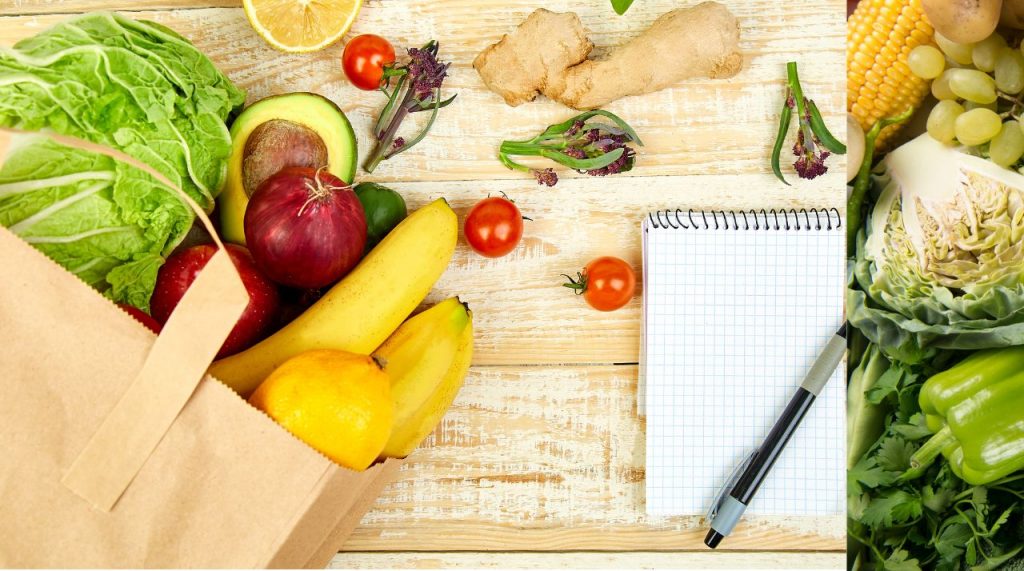
Fresh fruits are your best friends. They provide a sweet treat packed with vitamins, minerals, and fibre. As you stroll the produce aisles, load up your cart with a bounty of delicious and nutritious fresh fruits.
Reach for classic apples and pears for a hearty dose of fibre. Berries like strawberries, blueberries, and raspberries add a pop of colour and antioxidants. For tropical flavour, go for kiwis, pineapples, and melons. Don’t forget nutrient-dense avocados and tomatoes.
Citrus fruits like oranges, grapefruits, and limes offer an extra vitamin C boost. Grapes and bananas make perfect portable snacks. Pomegranates add a juicy crunch.
Your shopping list gives you options to keep your palate excited with this wide variety of fresh fruits to choose from. Incorporate fruit into smoothies, salads, yoghurt bowls, and snacks to reap all the nutritional benefits these powerhouse picks give.
Nutritious Fresh Veggies you Should Have
Vegetables are also a dieter’s best friend. Fresh veggies should take up plenty of real estate in your shopping cart.
Fill up on nutrient-dense leafy greens like spinach, kale, and lettuce. Cruciferous veggies such as broccoli, brussels sprouts, cauliflower, and cabbage satisfy with a few calories. Load up on vitamin C with peppers, green beans, and zucchini.
Don’t forget antioxidant-rich eggplant, vitamin-packed sweet potatoes, crunchy cucumbers, and celery. Mushrooms and onions add a savoury flavour. Garlic and herbs infuse dishes with freshness.
The variety of textures, colours, and flavours fresh vegetables offer make them appealing additions to any meal. They shine in salads, sides, soups, and stir-fries. Bulk prep veggies on weekends for easy access all week.
With this all-star lineup of vegetables, your healthy shopping list gives you the perfect excuse to eat more plants. Take advantage of their low-calorie density and high volume to fill your plate, and support your weight loss goals.
-
Frozen Foods
Freeze to Squeeze in more Nutrition
The frozen aisle is home to nutritious helpers for your weight loss journey. Frozen fruits and veggies often pack more nutrients than fresh since they’re flash frozen at peak ripeness.
Keep a stock of frozen mixed berries on hand for smoothies and yoghurt parfaits. Add spinach and kale to boost nutrition in soups, stews, and sauces. Keep broccoli, cauliflower, and veggie mixes ready to stir fry or steam.
Edamame, sweet potato wedges, and cauliflower rice make excellent low-carb substitutes. Lean proteins like frozen fish fillets or shrimp cook up fast for weeknight meals.
Just check labels and steer clear of high-sodium, sugary laden frozen meals. You can freeze your way to weight loss success with these nourishing frozen picks. Keep your freezer stocked and reap the benefits!
-
Refrigerated Section
Protein Sources to Power your Weight Loss
The refrigerated section offers abundant lean, nutrient-dense proteins to fuel your weight loss journey. High-protein foods boost satiety, preserve muscle mass and rev up your metabolism.
Greek yoghurt is a slimming superstar. Compared to regular yoghurt, Greek varieties pack up to twice the protein with less sugar. Look for plain, unsweetened flavours to avoid excess calories. Non-fat and low-fat options keep calories in check. If plant-based yogurts are what you like, read the labels carefully. Many contain added sugars, leading to higher calorie counts. Target options with at least 5-10 grams of protein per serving and minimal ingredients.
Eggs are a complete protein with vitamins and minerals. Studies show that those who eat eggs for breakfast feel fuller and eat fewer calories later in the day. Limit additional higher-fat ingredients like cheese and meat to keep calories down.
Seafood like salmon provides anti-inflammatory omega-3 fatty acids along with satiating protein. Lean poultry, turkey and cuts of red meat like sirloin or 93% lean ground beef offer similar benefits.
Hummus, made from chickpeas, makes a filling plant-based dip or sandwich spread. Soy foods like edamame, tofu and tempeh add variety to vegetarian diets. Low-fat cottage cheese and cheese provide a protein punch to the diet.
With so many refrigerated protein options, variety keeps your diet interesting. Remember to balance higher-fat choices like cheese with lean meats, seafood, eggs and plant-based proteins.
-
Shelf Stable
Pantry Staples
Stocking up on the right pantry staples makes healthy eating and weight loss much simpler. You can quickly whip up meals and snacks with shelf-stable items on hand without heading to the store.
Include cans of fish like tuna, salmon and sardines for an easy protein source. Canned beans such as chickpeas, black beans and lentils offer fibre. Opt for low-sodium versions when possible.
Whole grains provide more nutrition than refined varieties. Try oats, quinoa, brown rice, whole wheat pasta and 100% whole grain cereal. Check labels for at least 3g of fibre per serving.
Nuts and seeds make portable snacks. Stick to a 1-ounce portion (about a handful) to limit calories. Chia, flax and hemp offer omega-3s.
For sauces and dressings, vinegar like balsamic, apple cider and rice wine add flavour without excess calories. Oils like olive and avocado provide healthy fats in moderation. Herbs, spices, broths and salsa allow you to whip up delicious meals.
Canned or jarred vegetables and fruits like tomatoes, spinach and pineapple allow you to make salads and sides easily. Rinse for lower sodium.
Explore alternatives like shirataki noodles, spaghetti squash and coconut aminos for variety. Read labels to avoid unwanted sugar and sodium.
With the right pantry additions, you can create balanced meals and healthy snacks. Let shelf-stable staples be your kitchen allies on your path to weight loss success.
Implement These Healthy Shopping Tips
Now that you are armed with a healthy shopping list, you are probably ready to hit the grocery aisles. But here are a few tips to keep in mind.
- Never shop when you’re hungry. Hunger leads to impulsive purchases that derail your healthy eating plan. A full belly and grocery list in hand help you stick to nutritious picks.
- Ditch sugary sodas and juices in favour of calorie-free flavoured sparkling waters. This swap alone eliminates hundreds of empty calories that can stall weight loss.
- When cooking, choose simple meals with lean protein, veggies, whole grains and healthy fats. Ditch distractions and practise mindful eating to savour each bite.
- Meal prepping makes healthy eating easier. Devote time on weekends to prep balanced meals and snacks for the week ahead. Portioning out meals may help with portion control.
- Having social support boosts motivation. Invite friends or family members to join your healthy eating plan. Connect online with others pursuing weight loss goals.
- Implement regular physical activity. Aim for the recommended 150 minutes per week. Something as simple as a daily 30-minute walk supports your weight loss efforts.
Conclusion
There is no one-size-fits-all approach to effective weight loss. However, strategic healthy shopping paired with an active lifestyle provides a solid foundation. Keep exploring to find the specific habits and routines that work best for you.
If you want to take your weight loss efforts to the next level, consider complementing your smart shopping with Eureka Wellness. Its effective weight loss program in Singapore provides the accountability, education and support for the results you want. With your grocery cart full and expert coaching at your fingertips, you have everything needed to transform your health.