

In Singapore, food is a big part of our culture. People readily queue for Michelin-star hawker stalls and debate the newest cafes. Because we enjoy eating, managing weight can be particularly challenging and, for many, often confusing. Nutrition advice also changes frequently, shifting from, say, cutting carbs to an emphasis on plant-based whole foods.
Recently, food combining has resurfaced on our social feeds and many wellness blogs. You may have heard several theories on food combinations. Maybe someone told you that consuming fruit after a meal causes it to ‘rot’ in your stomach. You might also read that combining chicken (protein) with rice (starch) is a problem. But, are such statements based on any factual evidence?
Can changing the order in which you eat lower post-meal blood sugar? Let’s take a look at the existing evidence and debunk myths about the food combining diet.
What is the “Food Combining Diet”?
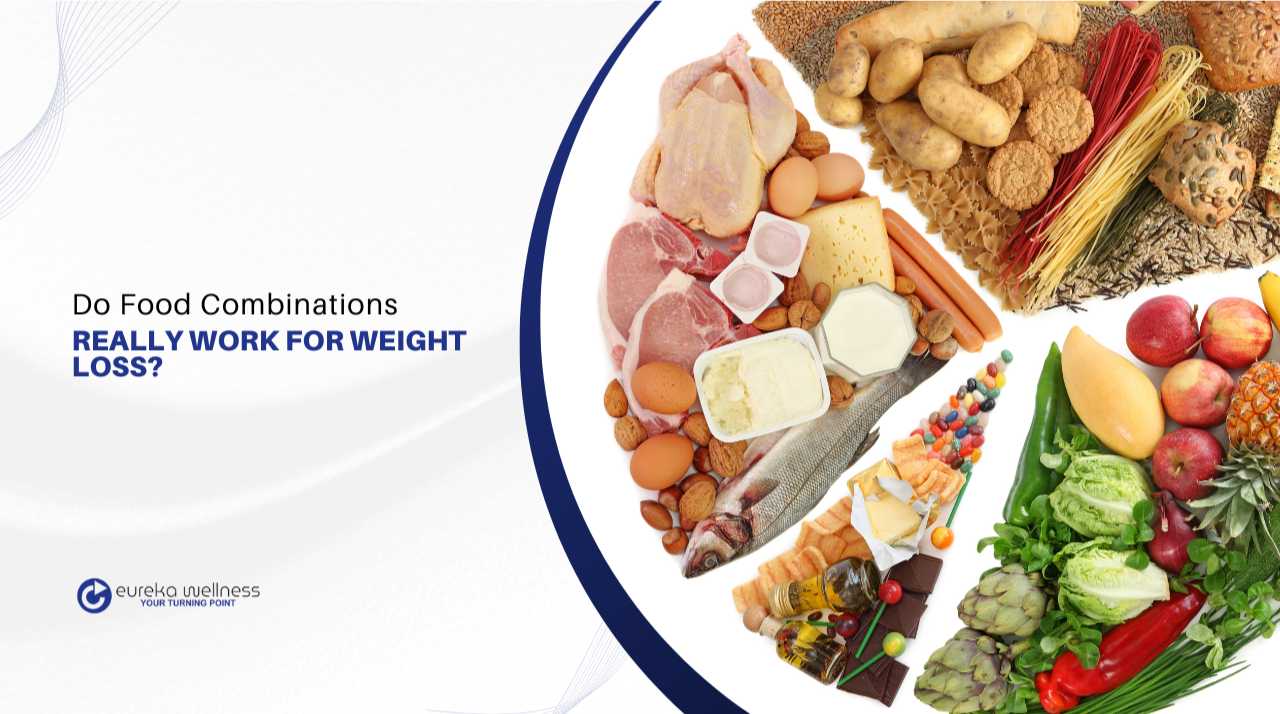
To understand if this method works, we first have to clearly define what it is. The traditional food combining diet, historically referred to as the Hay Diet, is based on a philosophy developed almost a century ago, which holds that different foods require different digestive pH levels.
The Theory of Confusion
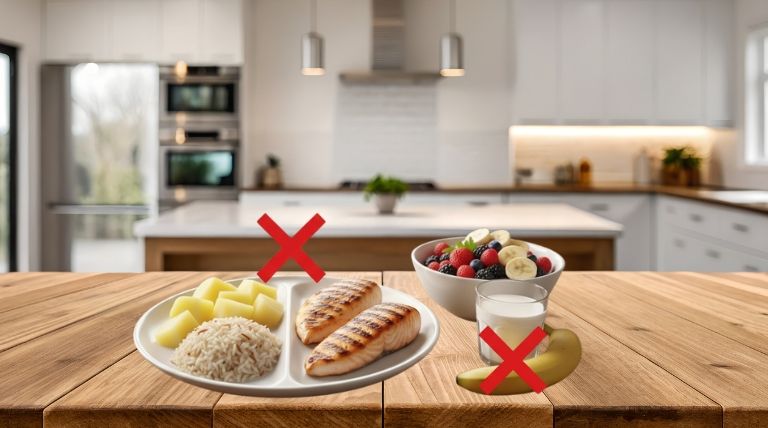
Proponents say proteins and carbohydrates require different digestive environments, and eating them together could slow digestion, though scientific evidence for this is limited.
Some people also claim that food can rest in the stomach and ferment, producing toxins. That process is said to slow metabolism and contribute to weight gain.
Imagine following this diet strictly in Singapore. It would vastly reduce your options.
For example:
- Never mix starches and proteins. You couldn’t have Chicken Rice, Nasi Lemak, or spaghetti Bolognese. You would have to eat steak with plain vegetables (no dressing) or pasta with only tomato sauce.
- Consume fruit separately, as fruit generally digests faster than anything else. The rule states you must eat it on an empty stomach, or it will get ‘stuck’ behind slower-digesting foods and ferment.
- Avoid mixing dairy with other food groups. Example: eating bananas with milk, as per Ayurveda (traditional Indian medicine system), is believed to change the intestinal flora and produce toxins that may cause cold, cough and sinus congestion.
It sounds logical on the surface, but let’s take a look at modern evidence and what it says about the food combining diet.
The Verdict
So, does this form of food combining help with weight loss?
The short answer: it can, but not for the reasons the diet claims.
The idea that our bodies cannot handle, for example, a piece of bread and a slice of turkey at the same time simply ignores the full capability of human digestion.
When food enters the stomach, stomach acid is released. It is so powerful that it maintains its acidic environment regardless of whether you ate a piece of fish or a bowl of rice.
Furthermore, our digestive tract functions continuously rather than in separate stages. Your pancreas secretes enzymes that break down proteins, fats, and carbohydrates simultaneously. The custom of eating mixed meals proves that human beings have been thriving without needing to separate food groups.
As for food ‘rotting’ in your stomach, that is scientifically impossible. Fermentation happens in the large intestine (the colon), which is far down the digestive tract. It is actually a healthy process where beneficial bacteria feed on fibre. It has nothing to do with the timing of fruit consumption after lunch.
So, Why Do People Lose Weight on a Food Combining Diet?
While the scientific basis is weak, many people still report weight loss.
This actually reflects a ‘Trojan Horse’ effect. Weight loss happens here because of a calorie deficit.
- It eliminates processed foods. Most ultra-processed junk foods are a combination of fat, sugar, and starch. Forbidding fat-sugar-starch combinations means you automatically cut the highest-calorie items in your diet.
- It promotes mindfulness. Mindful eating reduces unconscious snacking.
- It reduces volume. Without rice to accompany your beef stir-fry, you might have to eat the beef and veggies alone, thereby cutting out a massive portion of calories.
So while the rules might help you eat less, they are not a substitute for conscious portion control.
“New” Food Combining: A Modern, Science-Backed Approach
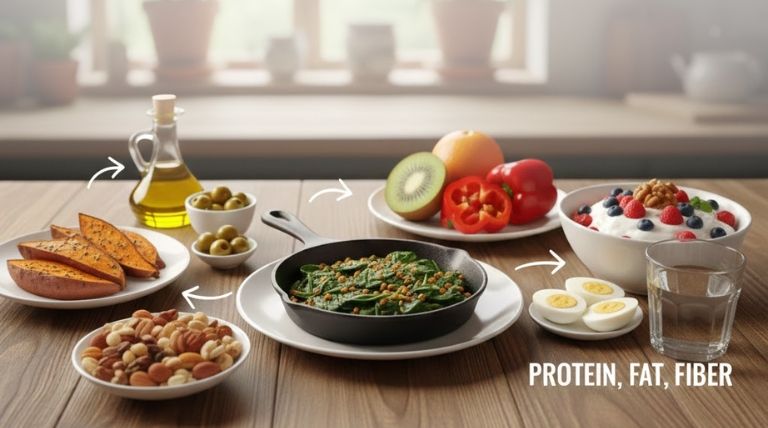
There is a better way to approach this. Instead of restriction, its focus is on pairing foods together to unlock their full potential.
Nutritionists call this food synergy. It implies that certain foods work better as a team than they do alone. If you want to get the most nutrition out of your calories, which is important when you are on a calorie-restricted weight loss plan, you need to know these pairs.
Iron + Vitamin C
Iron deficiency is common, especially among women, and it can lead to fatigue which could make it harder to maintain regular workouts.
The iron found in plant sources like spinach, kai lan, tofu, and beans is harder for the body to absorb than iron from meat.
Vitamin C enhances the body’s ability to absorb iron from plant-based foods. If you are having a Yong Tau Foo soup with soybeans and leafy greens, pair it with a fresh lime juice (limau kosong) or have a slice of papaya or guava for dessert.
Fat-Soluble Vitamins + Healthy Fats
Many people trying to lose weight make the mistake of eating raw vegetables with no oil, thinking they are saving calories.
Vitamins A, D, E, and K are fat-soluble, meaning they need some dietary fat to be absorbed. Adding a small amount of olive oil, avocado, or nuts can help your body make the most of these nutrients.
The Satiety Trio
Now let’s get to the part you really want to know: food combinations for weight loss.
The secret to losing weight is combining specific foods to regulate hormones like insulin and ghrelin.
Eating just carbohydrates causes blood sugar to spike rapidly. An hour later, your blood sugar crashes and you feel tired and hungry while craving sugary food. This is called the “glucose roller coaster,” and it is the enemy of weight loss.
To help with this, the ‘satiety trio’ — fiber, protein, and healthy fats — can be effective. They slow digestion and reduce blood sugar spikes, allowing sugar to enter the bloodstream more gradually. This helps you feel full for several hours instead of just one.
Example combo: Two poached or boiled eggs (protein and healthy fat) with a slice of whole-grain toast topped with avocado or a sprinkle of seeds (fiber, healthy fat, and complex carbs). The protein and fat in the eggs, combined with the fiber from the toast and avocado/seeds, help slow digestion and keep you feeling satisfied until lunch.
Conclusion
Eating specific healthy food combinations can help with weight loss, because it helps stabilise blood sugar and prolongs fullness.
So focus on quality pairings to build the foundation of an effective weight loss program — one that is sustainable and enjoyable.
With so much delicious food around us, savoring our meals is key to maintaining a diet long-term