

Chinese New Year is a time for family, celebration, and, of course, food. During the festive season, our tables are filled with traditional snacks and dishes that have been enjoyed for generations. Many of these foods look light and healthy, especially those made with fruit or simple ingredients, leading people to believe they are harmless additions to our diet.
However, some popular Chinese New Year treats contain more calories, sugar, salt, and fat than we might expect. When eaten over the 15-day celebration, these can add up quickly. But this doesn’t mean you need to avoid them completely. Knowing what you’re eating can help you enjoy your favourites in moderation while still keeping track of your calorie intake.
Here are some festive foods in Singapore that may not be as healthy as they seem.
Yusheng
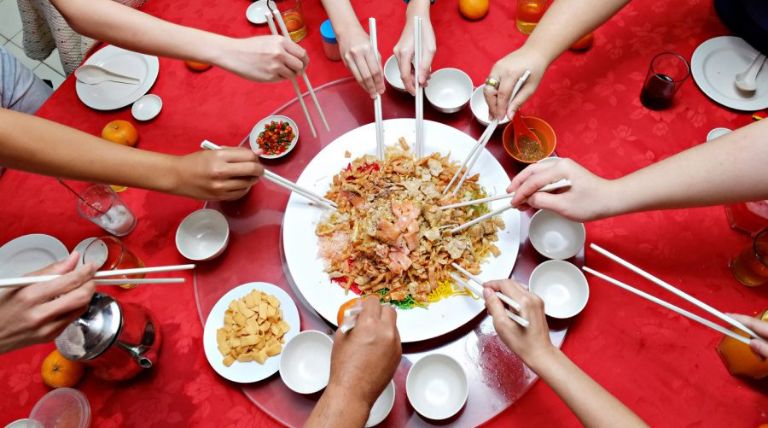
Yusheng, also known as lo hei, is a popular Chinese New Year dish in Singapore. With its shredded vegetables, raw fish, and colourful toppings, it looks like a healthy starter. Afterall, it resembles a salad.
The Reality Check
The plum sauce used in yusheng is high in sugar and is often added generously.
The crispy crackers and fried toppings, though tasty, contain refined carbohydrates and oil. The more the dish is tossed, the more of these crackers get mixed in. Pickled ginger and other preserved vegetables also add a lot of sodium.
One serving of yusheng can contain around 560 calories, along with high amounts of sugar and salt. Enjoy the tradition of lo hei, but use less sauce. Ask for the plum sauce on the side, and limit the amount of crackers you add.
Mandarin Oranges
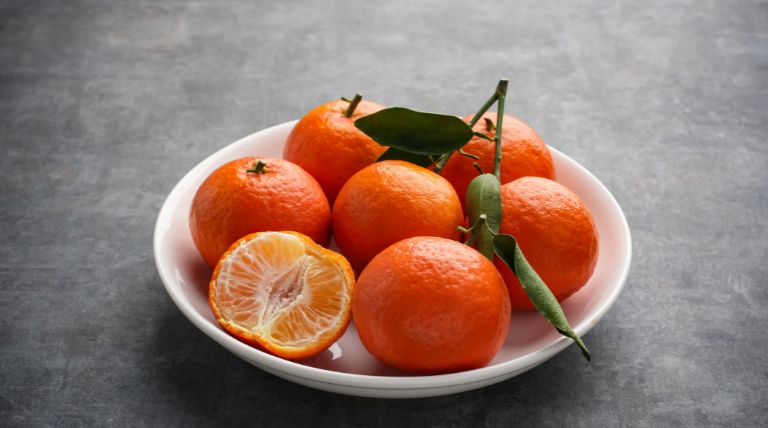
Mandarin oranges are a significant part of the CNY celebrations. They represent wealth, prosperity, and good fortune due to their golden colour and phonetic resemblance to words for “gold” and “luck”. And since they’re a fruit, many people see them as a healthy snack — a good source of vitamin C and fibre.
The Reality Check
Even though mandarin oranges are more nutritious than cookies and candies, they still contain natural sugars. A medium orange has about 8-11 grams of sugar. During the festive period, it is easy to eat several in a day without realising it. For example, eating five oranges in one sitting is equivalent to consuming 40 to 55 grams of sugar from this fruit alone.
If you are watching your sugar or carbohydrate intake, it’s recommended to enjoy mandarin oranges in moderation. Eating one or two a day is sufficient to gain their health benefits while keeping sugar intake in check.
Pineapple Tarts
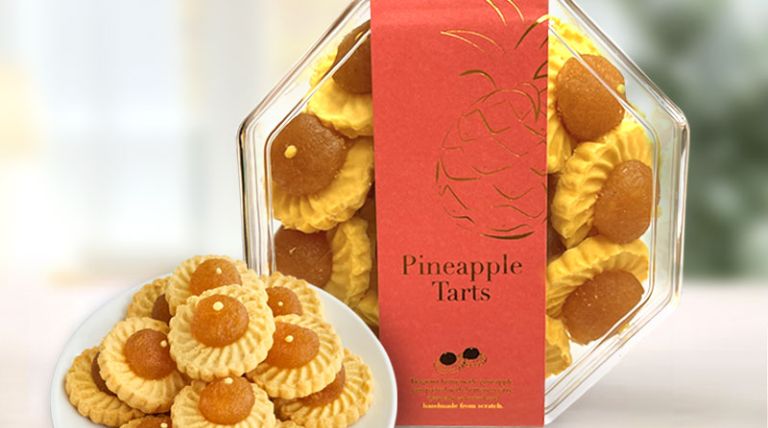
These treats are one of the highlights during Chinese New Year. Two pineapple tarts (40 grams) contain about 163 calories, 7 grams of fat, and 12 grams of sugar. To keep sugar and calories in check, it’s best to limit yourself to two per day.
If you love baking, you can opt for a lower sugar paste and make smaller tarts.
Love Letters and Kueh Bangkit
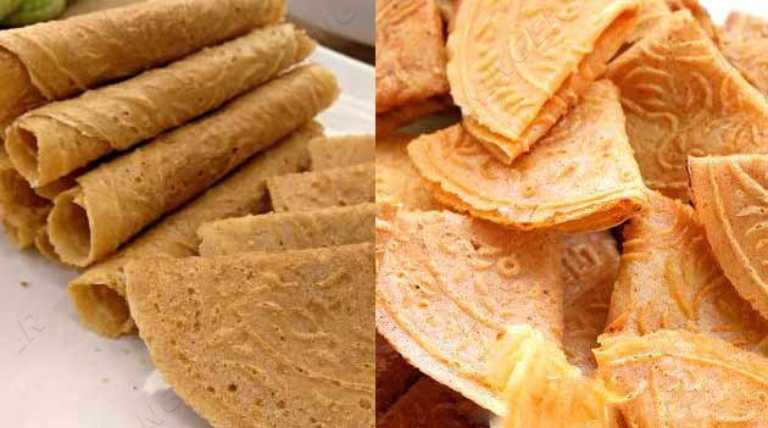
Lover letters (kueh kapit) and kueh bangkit are popular Chinese New Year snacks. They are light, crisp, and melt easily in the mouth, which makes them feel less indulgent than heavier desserts. Because they are not very filling, it is easy to keep eating them without noticing how much you have had.
The Reality Check
However, these snacks are more calorie-dense than they seem.
Love Letters are made with eggs, sugar, coconut milk, and flour. Four rolls contain about 224 calories, 6 grams of fat, and 19 grams of sugar.
Kueh Bangkit are made mainly from tapioca flour, sugar, and coconut cream. Despite their light texture, they are high in calories and saturated fat. According to the Food and Health Guide devised by Raffles Medical Group, five pieces (30 grams) contain approximately 115 calories, 5 grams of fat, and 20 grams of sugar.
To practise mindful eating, it helps to take a small portion and put it on your plate instead of eating straight from the container. Doing this helps you keep track of how much you eat.
Bak Kwa and Lup Cheong
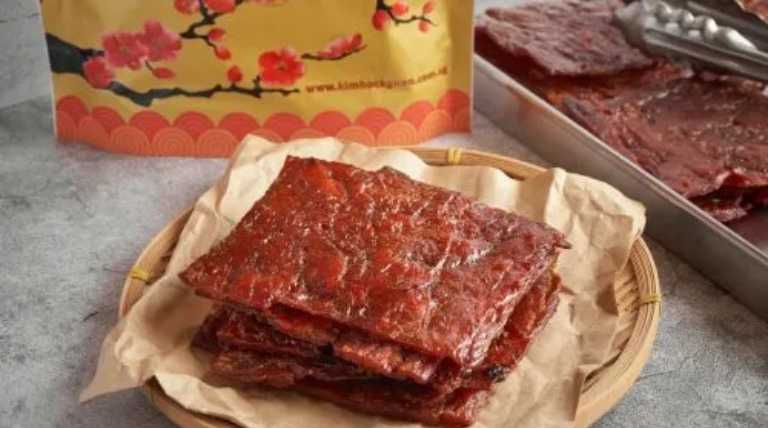
Bak kwa (barbecued meat slices) and lap cheong (Chinese sausages) are common CNY foods. Because they are savoury and high in protein, many of us thought of them as better choices than sweet snacks.
The Reality Check
These are high in calories, sugar, and fat. Bak Kwa is made by marinating meat in sugar and soy sauce before grilling. It contains about 229 calories, 8 grams of fat, and 24 grams of sugar per 57 grams, which is roughly 2–3 small slices. Since it is usually cut into small pieces, it is easy to eat more than intended.
Lup Cheong is cured with sugar and fat, which gives it its sweet taste. One lup cheong sausage can contain around 70–200 calories, depending on its size, along with high amounts of sodium and saturated fat.
Bak kwa and lup cheong are processed meats, so you should consume them in moderation. Enjoy them as occasional treats, share small portions, and eat slowly to avoid overdoing it.
Steamboat
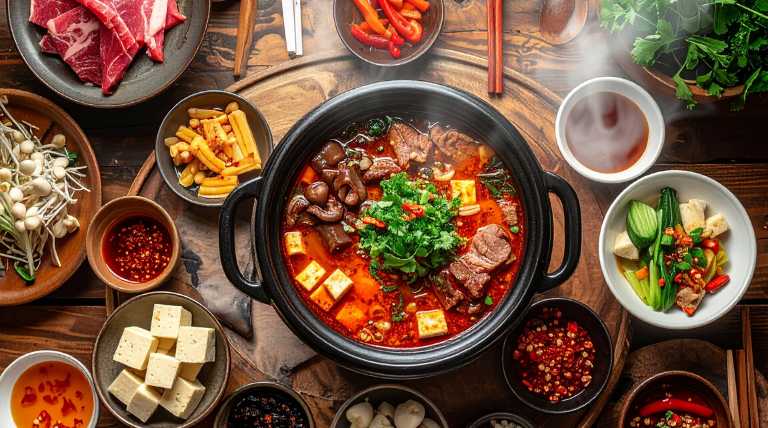
Steamboat, or hot pot, seems like one of the healthiest ways to celebrate. You control what goes into the pot, the cooking method involves boiling rather than frying, and the spread typically includes fresh vegetables and lean proteins. What could possibly go wrong?
The Reality Check
However, it can become less healthy than expected. Many pre-made broths, especially spicy or creamy ones, are high in sodium and fat. One bowl of broth can contain a full day’s recommended salt intake.
Common steamboat items such as fish balls, crab sticks, and luncheon meat are also highly processed and are high in sodium. Aside from these, sauces like satay sauce, sesame paste, and chilli oil add extra calories and salt.
Healthier Steamboat Guide
- Choose clear soups or homemade broth.
- Use more fresh vegetables, tofu, mushrooms, and fresh fish.
- Limit processed items like fish balls and luncheon meat.
- Use less sauce and dip lightly.
- Drink water or unsweetened tea instead of sugary drinks.
Nian Gao and Tang Yuan
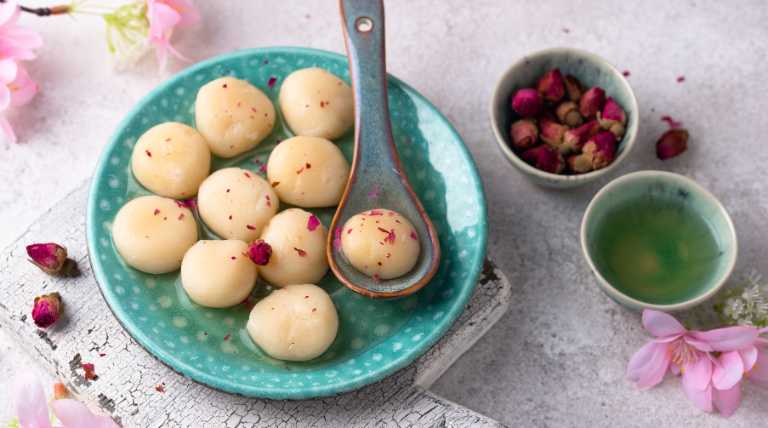
Nian gao (sticky rice cake) and tang yuan (glutinous rice balls in sweet soup) are traditional Chinese desserts enjoyed during the New Year. They symbolise growth, prosperity, and family unity. Made from rice, nian gao is sweet and sticky, making it a rich treat during festive celebrations.
The Reality Check
Nian gao, often called year cake or Chinese New Year’s rice cake, is high in sugar and calories, and its sticky texture makes it easy to overeat. A small slice typically contains 100–150 calories, mostly from sugar and starch, while a quarter portion of fried nian gao can have around 244 calories.
Tang yuan are glutinous rice balls often filled with sweet black sesame or peanut paste, then served in a sugary ginger or pandan syrup. A typical serving is high in calories and sugar due to glutinous rice flour, sweet fillings, and syrup.
If you love tang yuan, try smaller, unfilled rice balls in a less sweetened broth.
For nian gao, you can enjoy it steamed instead of fried.
How to Navigate the Festive Season
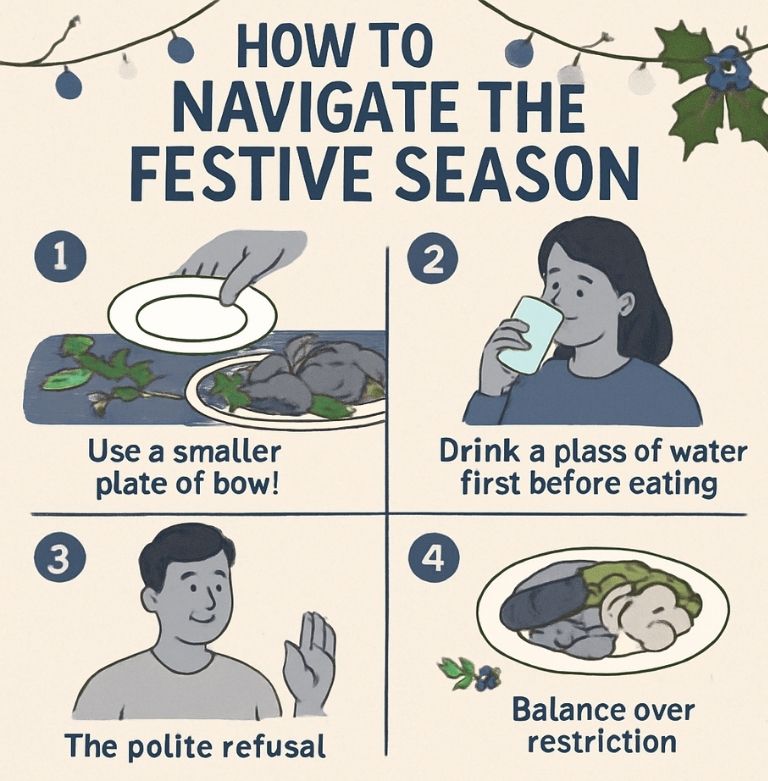
Now that you know what to watch out for, here are some strategies to help you navigate the festive season.
Use a Smaller Plate or Bowl
Get a small plate or bowl when serving yourself at gatherings. Doing this limits portions, but you still get to enjoy a variety of CNY food.
Drink a Glass of Water First Before Eating
Having a glass of water before meals can help curb appetite and support digestion. The water stretches the stomach, sending signals to the brain that you’re less hungry, which may help you eat a little less. It also helps keep the digestive system hydrated, allowing enzymes and digestive juices to work efficiently.
The Polite Refusal
You do not need to accept every offer of food. A gracious “Thank you, I’m quite full” is perfectly acceptable. Most hosts appreciate honesty over waste.
Balance Over Restriction
Focus on balance, instead of labelling foods as good or bad. Enjoy your absolute favourites and pass on the foods you feel neutral about.
Conclusion
Being aware of what is in your festive foods does not mean depriving yourself—it simply means making informed choices that align with your health goals.
You don’t have to skip the traditional foods or snacks you love. Instead, choose the foods that bring you the most happiness, savour them mindfully, and practise portion control. If you find yourself overindulging during the festivities, do not panic. What matters most is returning to a balanced routine once the celebrations wind down.
For those seeking structured support on their health journey, professional guidance for weight loss in Singapore can help you reset and build sustainable habits that last well beyond the festive season. Here’s to a happy, healthy, and prosperous Year of the Fire Horse!