

You might think you’re making healthy choices by choosing low-fat or fat-free foods. Don’t be fooled by clever marketing tactics. Many of these products compensate for the lack of fat by pumping up the sugar content, leaving you with a less satisfying and potentially more harmful option. It’s like trading in your comfy sneakers for a pair of stilettos – sure, they might look good, but your body will pay the price later.
Find out which everyday foods and drinks, including some ‘healthy foods,’ are packed with hidden sugar, and learn which ones to avoid or cut back on.
Dairy and Dairy Alternatives
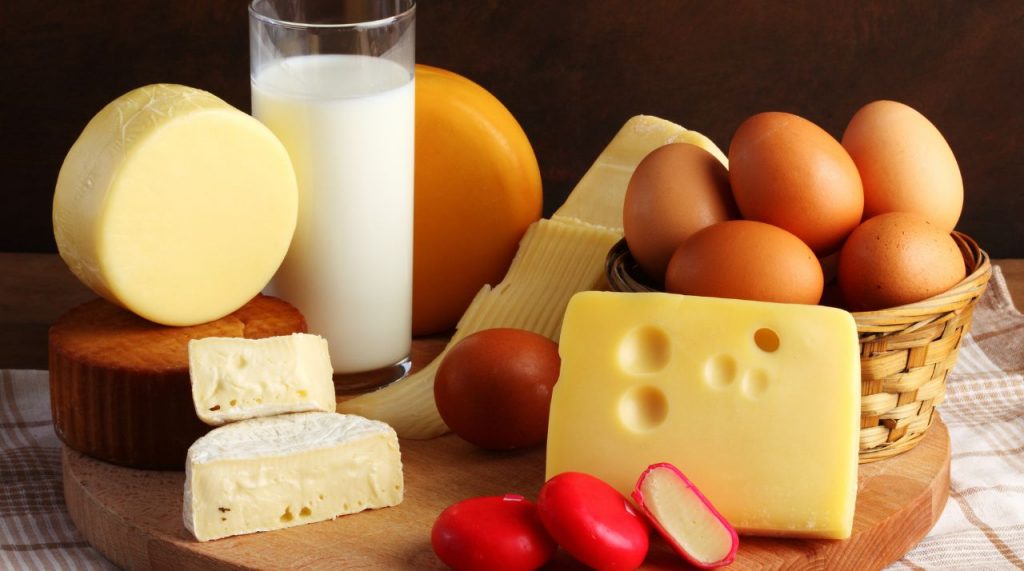
You might be patting yourself on the back for choosing yoghurt or flavoured non-dairy milk as a healthier alternative to sugary snacks, but hold your horses! These seemingly innocent dairy and dairy-free options can be hiding a sweet secret that could derail your healthy eating efforts faster than you can say “pass the spoon.”
#1 – Yoghurt
Let’s start with yoghurt. You are not doing your body a favour by reaching for those low-fat varieties, so take a closer look at the label. Many brands compensate for the lack of fat by loading up on sugar, turning your healthy snack into a dessert in disguise.
#2 – Flavoured Non-Dairy Milk
And, regardless of whether you are team almond, soy, or oat on flavoured non-dairy milk, you might also be shocked to discover just how much sugar is lurking in those cartons. Sure, they might boast about being vegan or lactose-free, but that doesn’t give them a free pass to pack in the sweet stuff.
What You Should Do
So, what must a health-conscious dairy or dairy-free lover do? Stick to plain, unsweetened options whenever possible, and always give those nutrition labels a thorough once-over. Your taste buds might need some time to adjust, but your body will thank you in the long run.
Breakfast Foods
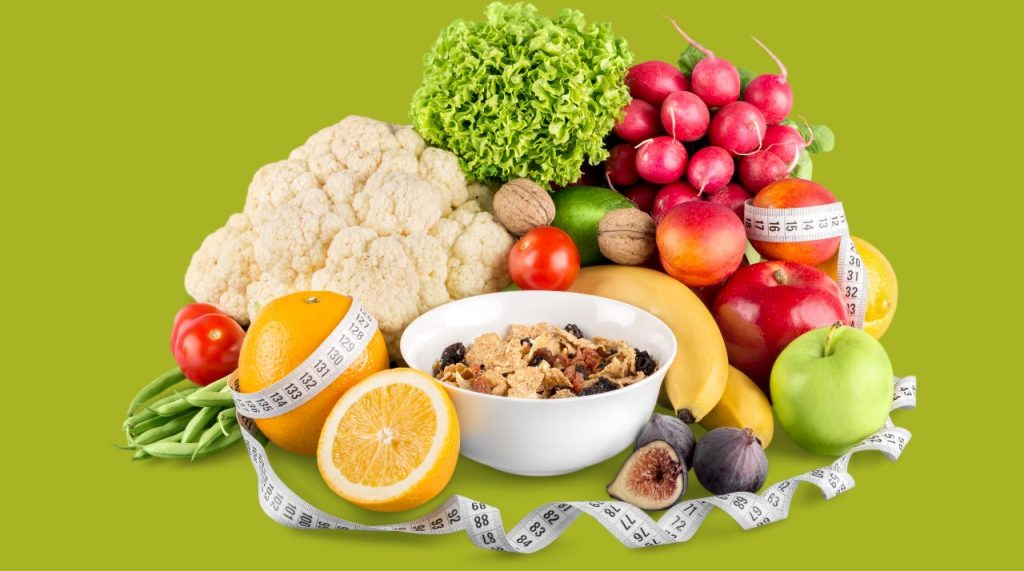
Many breakfast foods that are marketed as “healthy” options may actually be contributing to sugar spikes and, eventually, potential health concerns down the road.
#3 – Breakfast Cereal
Cereal might be a quick and easy breakfast food, but you should carefully choose your cereal as it may affect your sugar consumption. In fact, some cereals pack in as much as 12 grams (3 teaspoons) of sugar in a single 34-gram (1.2-ounce) serving. That’s a significant amount of sugar to consume first thing in the morning, especially if cereal is a daily staple in your breakfast routine.
#4 – Instant Oatmeal Packets
They have long been a go-to choice for people who need fast yet healthy breakfast. However, many are unaware of the hidden sugars in these convenient packets, which can undermine the health benefits they give.
Oatmeal is a whole grain packed with beneficial fibre, but instant oatmeal packets are usually loaded with added sugar. The sugar is added to improve the taste and make the oatmeal more attractive to consumers, but it also results in a rapid spike in blood sugar levels, which is followed by an energy crash later in the morning.
#5 – Granola
This is also hailed as a health food because of its wholesome image and the perception that it is packed with nutritious ingredients like oats, nuts, and dried fruits. Many brands use sugar, honey, and other sweeteners to bind the ingredients together. For every 100 grams of granola, there are around 400 to 500 calories and about five to seven teaspoons of sugar.
What You Should Do
Always check the list of ingredients and nutrition facts so you can identify sources of added sugars. Go for products with minimal or no added sweeteners whenever possible.
For cereal and instant oatmeal, choose plain, unsweetened varieties. Just add your own toppings for a touch of natural sweetness.
For granola, consider making your own at home. Use whole ingredients and control the amount of added sugars according to your liking.
Breads and Grains
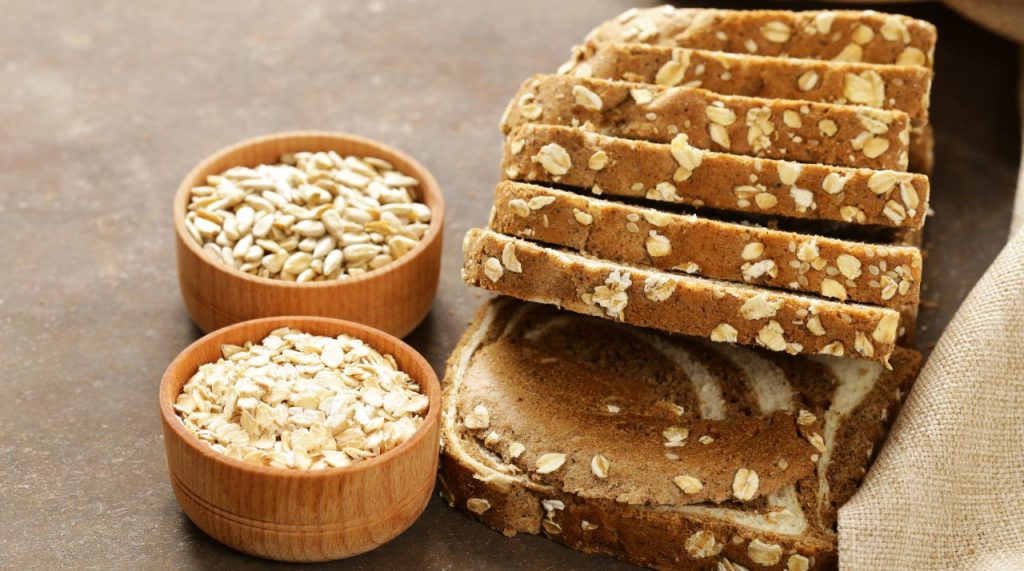
any people also believe they are making healthy choices by choosing bread like wheat bread, and multigrain bread. But these are foods with hidden sugar, making them less wholesome than they appear.
#6 – Wheat Bread
Wheat bread is often perceived as a healthier alternative to white bread. This is misleading. It is true that wheat bread contains wheat flour, but many commercially produced wheat breads also include added sugar to enhance the flavour and texture. So if you consume wheat bread on a regular basis, rethink. The added sugars may quickly add up.
#7 – Multigrain Bread
Multigrain bread has a hearty texture and numerous grains, and it seems like a nutritious choice. But just because a bread contains multiple grains doesn’t necessarily mean it’s healthier. As a matter of fact, many multigrain breads are made with refined grains. And that yummy taste? Yes, that’s right–added sugars.
What You Should Do
Prioritise whole grain options that have minimal or no added sugars. If possible, select only the brands that use whole wheat flour, whole oats, and other intact grains as their primary ingredients.
Condiments and Sauces
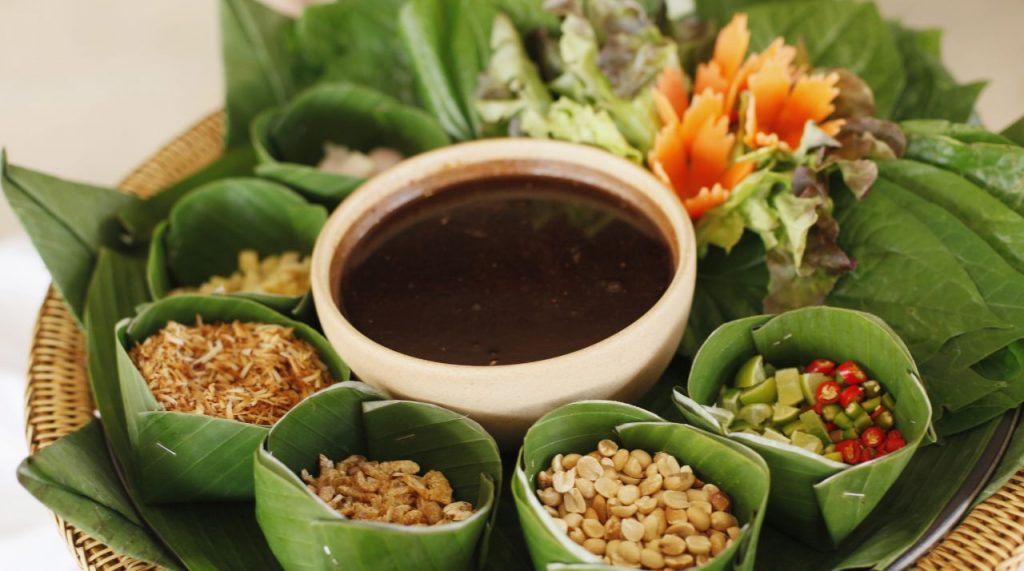
Condiments and sauces are staples in many kitchens, used to add flavour and zest to favourite dishes. But did you know that many options, like barbecue sauce, ketchup, and salad dressings, are also surprisingly high in added sugars? This means they may contribute to excessive sugar intake without you even realising it, eventually leading to weight gain.
#8 – Barbecue Sauce
This is a beloved condiment that we use to improve the flavour of grilled meats and vegetables. But these barbecue sauces that you buy in stores are loaded with added sugars in the form of high-fructose corn syrup or molasses. Your fave sauces contain these hidden sugars to balance out the tangy and spicy flavours.
#9 – Ketchup
Ketchup is also a classic condiment that people use daily, often without considering its sugar content. Yes, tomatoes are the main ingredient, but most commercial brands add a substantial amount of sugar to their ketchup products to improve the flavour and texture. A single tablespoon of ketchup may contain up to 4 grams of sugar, which can result in a sudden weight gain when you consume it liberally over time.
#10 – Salad Dressings
Salad dressings are also perceived as a healthy addition to leafy greens. But several store-bought options can be one of the foods that may cause weight gain because of their sugary content. Your weight loss efforts would go in vain. Some dressings use ingredients like high-fructose corn syrup, honey, and agave nectar to balance out the acidity and add flavour.
What You Should Do
Always read the ingredients list and nutrition facts before making a purchase. Choose brands that use minimal or no-added sweeteners. If possible, make your own condiments and sauces at home, so you can control the amount and kind of sweetener you use.
Beverages
All of us probably know that drinking sweetened beverages is a habit that could derail our best weight loss efforts, especially sugary sodas. You may think that there are drinks considered to be healthier alternatives, like fruit juices and sports drinks, but it won’t hurt to rectify your perceptions. These seemingly healthy alternatives can still contain a significant amount of sugar. Other choices, such as flavoured coffees and sweetened iced teas, also have the same impact on your blood sugar levels.
#11 – Fruit Juices
When you think of fruit juices, you may see them as a healthy food choice to stop weight gain because you associate them with whole fruits. But if you are sourcing your juices from places like the supermarkets, it is high time to reconsider. Commercially produced fruit juices are packed with added sugar, sometimes in the form of concentrated fruit juice or high-fructose corn syrup.
It is true that 100% fruit juices contain some natural sugars and nutrients, but keep in mind that they lack the fibre found in whole fruits. This may lead to a rapid spike in your blood sugar levels.
#12 – Sports Drinks
Sports drinks are marketed to replenish electrolytes and energy after an intense physical activity. But many of these drinks that you consume are high in added sugars.
Consuming them regularly can be unhealthy and it also negates the benefits of your workout, especially when you are trying to lose weight.
Bear in mind that sports drinks can be useful for athletes engaging in prolonged and high-intensity exercise. You may strike them off your “replenishment” list as they are often unneeded for an average person’s workout routine.
#13 – Flavoured Coffees
Frequently drinking flavoured coffees, like the ones you get from your favourite coffee chains, may cause weight gain over time. Most of these drinks are made with sugar syrups, whipped cream, and other sweetened add-ins. A single-flavoured latte may have around 30 grams of sugar, which is equivalent to 7.5 teaspoons.
#14 – Sweetened Iced Teas
Iced teas can really be refreshing to quench our thirst. But those that you buy from stores or drink in restaurants have added sugars. Some sweetened iced teas can contain as much sugar as a can of soda.
What You Should Do
Go for unsweetened varieties if possible. For fruit juices, choose 100% juice options with no added sugars, or better yet, just stick to whole fruits. For sports drinks, drinking water or unsweetened electrolyte beverages is more than enough for the average person’s hydration needs. And if you don’t want to give up on flavoured coffees and/or iced tea, ask for those which do not have sugar or syrup added.
Snacks
We turn to snacks to satisfy our hunger between meals. Some snacks that may have hidden sugars are granola bars, protein bars, dried fruit, fruit cups, or canned fruit. These foods may lead to weight gain instead of achieving your aim of losing the extra weight.
#15 – Granola Bars
Granola bars are also a popular snack choice, especially for those who are looking for a quick energy boost. But several store-bought granola bars are just candy bars in disguise. They are loaded with added sugars and have minimal nutritional value. Some brands use sugar syrups, chocolate coatings, and sweetened dried fruits. You know what all these mean, right? They can derail your healthy eating efforts.
#16 – Protein Bars
Protein bars are a popular snack, particularly for fitness enthusiasts. They can be a good source of protein and other nutrients, but they are also loaded with sugars (i.e. either in the form of corn syrup, honey, or other sweeteners).
#17 – Dried fruit
Dried fruit can also be a nutritious snack because it is a concentrated source of vitamins, minerals, and fibre. However, please bear in mind that even without added sugars, it is not the best choice for those who are watching their sugar intake or managing their blood sugar levels.
#18 – Fruit Cups/Canned Fruit
At first, they may seem like a convenient and healthy snack, but many are packed in sugar syrups. Of course, the fruits themselves contain natural sugars and beneficial nutrients, but the added syrups just negate these benefits because of their sweetener.
What You Should Do
Read labels carefully and make sure to choose snacks with minimal or no added sugars. When selecting protein bars, look for brands that rely on whole-food ingredients and natural sweeteners. We don’t want to fill our bodies with refined sugars. Consider making your own granola bar at home using mainly nuts and seeds, so that you can control the amount of sugar to put into your snack.
As much as possible, opt for fresh fruits instead of dried fruits. And for fruit cups or canned fruits, choose those that are packed in 100% fruit juice or water.
Conclusion
Ultimately, being cautious of the sugars in your most loved foods and beverages is crucial to sustaining a healthy diet and achieving your weight loss goal. Making these small but consistent changes to your diet lay a good foundation for a healthier, more balanced lifestyle.
At Eureka Wellness, our weight loss coaches impart in-depth knowledge on how to lose weight and keep it off in a sustainable and healthy manner.
A supermarket tour is one part of Eureka Wellness program whereby the weight loss coach provide guidance and education on ingredients label reading and demystifies the main causes of stubborn weight gain.
Contact us to get started on your weight loss transformation journey right away!