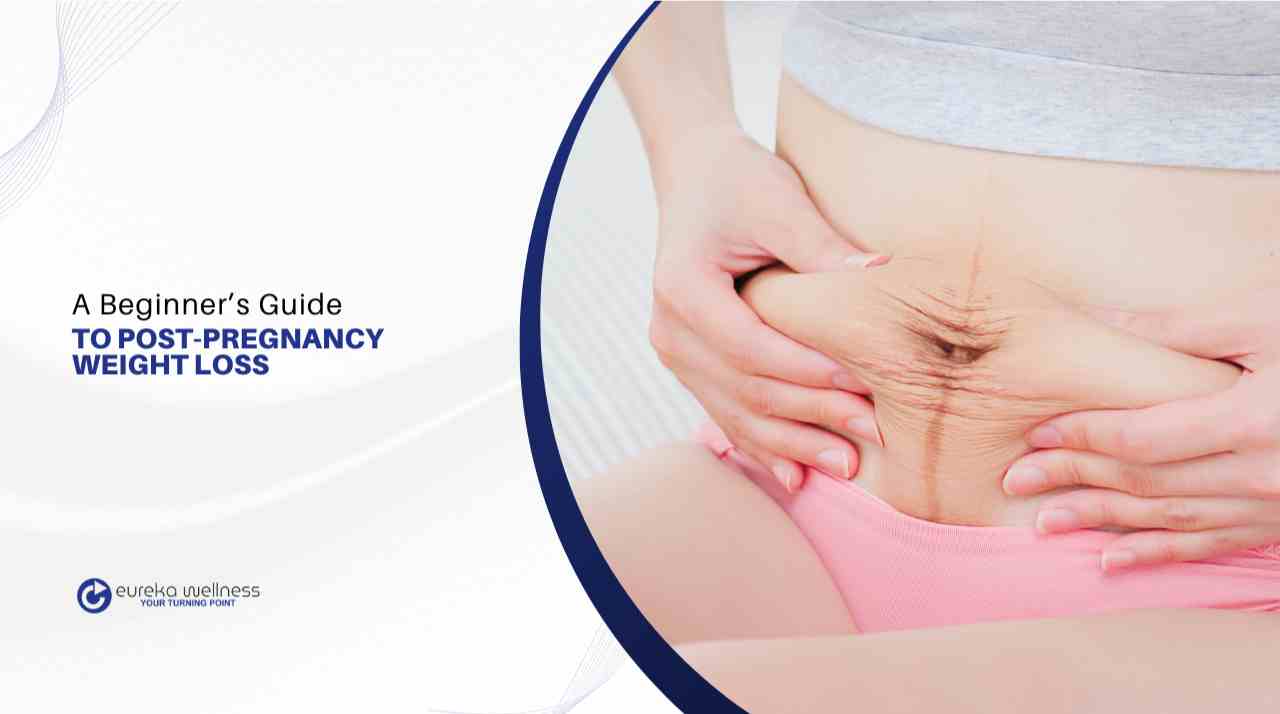


So, you are nearing your due date or you have just welcomed your little one into the world. Congratulations! Your body has just accomplished something truly incredible. As you’re settling into this new chapter, you might be wondering when and how you’ll fit back into those pre-pregnancy jeans. We get it — post-pregnancy weight loss is on the minds of many new mums.
Getting back to your pre-pregnancy weight is absolutely achievable, but it’s going to take some time and patience. Your body just spent nine months growing a tiny human, so give yourself grace.
This guide will walk you through the information that you need to know about losing baby weight safely and effectively, without sacrificing your health or your sanity.
What Happens to Your Body During Pregnancy
Let’s talk about where all that pregnancy weight actually comes from. If you’re carrying one baby and you’re at a healthy weight, medical experts recommend gaining between 11.5 to 16 kg during pregnancy. But what exactly makes up that weight?
Here’s the breakdown:
- Your beautiful baby (obviously!)
- The placenta
- Amniotic fluid
- Increased breast tissue
- Extra blood volume
- Your uterus getting bigger
- Fat stores for energy
The last one is actually pretty clever. Your body is preparing for childbirth and breastfeeding by storing extra energy. However, when you gain more than the recommended amount, that extra weight becomes what we commonly call “baby weight.”
What to Expect After Delivery
Immediately after giving birth, you will lose some weight—your baby, placenta, and amniotic fluid are no longer in your body. This initial loss is usually around 5–6 kg.
Over the first six weeks, most women lose a significant portion of the remaining pregnancy weight as the uterus shrinks and excess fluid is eliminated. The rest of the weight typically comes off gradually over the following months. How quickly this happens varies from person to person, depending on factors like diet, activity, and whether you are breastfeeding.
Here are some stats that might surprise you. 75% of women are still heavier one year after giving birth than they were before pregnancy. Of these women, 47% are at least 4.5 kg heavier, and 25% have kept on 9 kg or more.
We are sharing these numbers not to discourage you but to set realistic expectations. The transformations that you see on Instagram? They are not the norm, and that’s perfectly okay.
The realistic timeline for post-pregnancy weight loss is 6 to 12 months. If you gained more weight during pregnancy, you might end up a few pounds heavier than before which is still perfectly healthy and normal.
When Can You Start Your Weight Loss Journey?
Listen to Your Body First
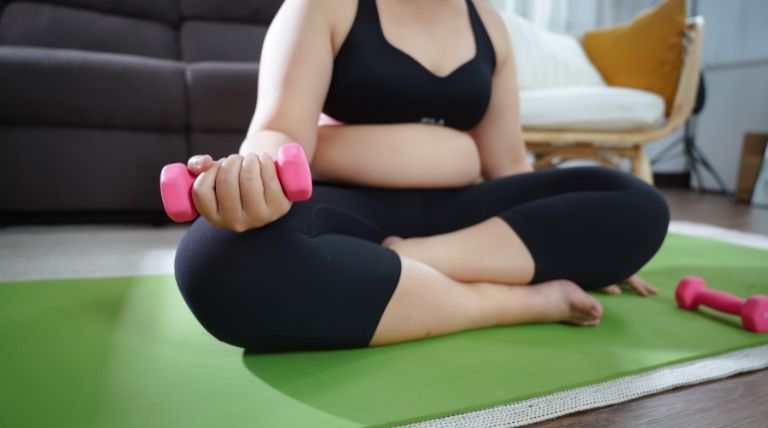
If you had a straightforward vaginal delivery, you can start gentle exercise as soon as you feel up to it. We are talking about leisure walks, gentle stretches, and pelvic floor exercises. Nothing intense.
However, it is generally recommended to wait until your 6-week postnatal check, when your doctor can give you the green light, before jumping into high-impact activities like aerobics or running. Think of the first six weeks as your healing period. Your body has been through a lot!
If you had a C-section or a complicated delivery, your recovery time will naturally be longer. Before starting any strenuous activity, have a chat with your doctor or health visitor. They know your situation and can guide you appropriately.
Signs You Might Be Overdoing It
Your body will tell you if you’re pushing too hard. Watch out for these red flags:
- Your postnatal bleeding (lochia) gets heavier or changes from brown to pink or red after activity
- You are feeling extremely tired beyond the normal new-mum exhaustion
- You are experiencing pain during or after exercise
If any of these happen, take it as a sign to slow down and rest more. There’s no rush. Your body is still healing.
The Breastfeeding Advantage
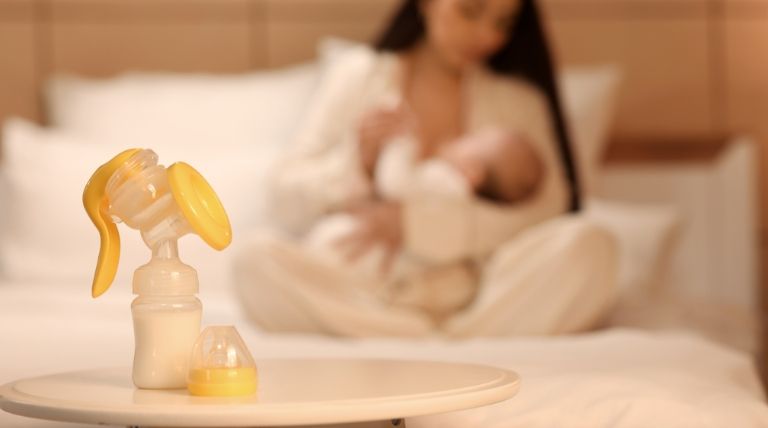
Here’s some good news for nursing mums. Breastfeeding can actually help with post-pregnancy weight loss. Producing breast milk burns a surprising number of calories, around 400 to 500 a day for an exclusively breastfeeding newborn. That’s roughly the same as taking a 45 to 60 minute walk or doing a light jog. In other words, you’re getting a mini workout without leaving your nursing chair!
Research shows that breastfeeding can support long-term weight loss. However, it’s important to know that results may not be immediate. In the first three months, some women may see little change or even a slight weight gain. This is completely normal, as your body needs extra calories to produce milk and may be less active during this period.
Don’t let this discourage you. Many mums find that the weight starts coming off more easily after the first few months of breastfeeding, once their milk supply has stabilised.
Safe Weight Loss While Breastfeeding
If you are nursing and want to lose weight, the golden rule is to aim for about 0.5 kg per week. Losing weight faster than this can affect your milk supply.
It’s best to wait until your baby is at least 2 months old and your milk supply has stabilized before making significant changes to your diet. Your baby depends on you for nutrition, so this isn’t the time for crash diets.
A safe approach is to reduce your calorie intake by about 500 calories per day through a combination of eating slightly less and moving slightly more. For example, you might eat 300 fewer calories and burn an extra 200 through a brisk walk. That is manageable and sustainable, and won’t compromise your milk supply
Nutrition Essentials for New Mums
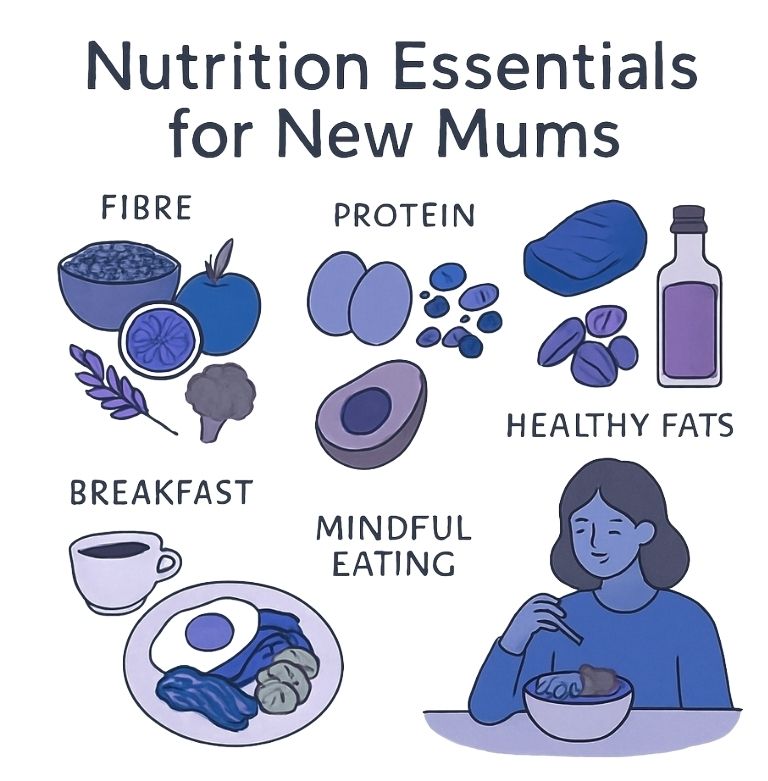
Successful post-pregnancy weight loss is not about starving yourself. It’s about eating the right foods. Here’s what can help you shed baby weight while keeping your energy up:
- Fibre: Foods high in fibre help you feel fuller for longer, so you’re less likely to reach for unhealthy snacks. Think fruits, vegetables, whole grains, and legumes.
- Protein: Protein boosts metabolism, keeps you satisfied, and supports muscle recovery. Your body actually burns more calories digesting protein than it does digesting carbs or fats.
- Healthy fats: Fats from sources like avocados, olive oil, nuts, and fatty fish help balance hormones, aid vitamin absorption, and keep you feeling full.
- Breakfast: Even if you’ve never been a breakfast person, now is the time to start. A nutritious morning meal gives you energy for the day and helps prevent extreme hunger later.
- Mindful eating: It’s easy to eat on autopilot while holding your baby, but try to slow down when you can. Focusing on your meal helps you notice when you’re full and reduces overeating.
Getting Active Again
Exercise is a powerful tool for post-pregnancy weight loss, but you need to approach it carefully. Your body has changed significantly, and jumping back into your pre-pregnancy workout routine too quickly can lead to injury.
Immediate Post-Birth (First Few Days)
Even while you are still in the hospital or a confinement centre, you can start with:
- Gentle pelvic floor exercises (Kegels). Safe for both vaginal and C-section births.
- Deep breathing
- Ankle rotations and foot flexes
First Six Weeks
Once you’re home and feeling up to it, you can add:
- Walking (start with 10-15 minutes and gradually increase as you feel stronger.)
- Gentle stretches. This will help relieve tension and improve flexibility without overstraining your body.
- Postnatal-specific exercises. Simple moves like pelvic tilts, bridges, or guided routines designed for new mums. Ask your healthcare provider for recommendations that suit your recovery.
After Six Weeks (with Doctor’s Clearance)
Once you get the green light from your doctor at your postnatal checkup, you can gradually introduce:
- Brisk walking: Step up from gentle strolls to faster-paced walks for cardio fitness.
- Swimming: Safe to begin at least 7 days after your bleeding has completely stopped, and only once any stitches or incisions are fully healed.
- Low-impact aerobics: A fun way to rebuild stamina without putting too much strain on your joints.
- Cycling: Start with short, gentle rides and increase as your core and pelvic floor strength improve.
- Light strength training: Begin with low weights or bodyweight exercises to safely rebuild muscle tone and support overall recovery.
Progress slowly and listen to your body. Stop if you feel pain, heaviness in your pelvic floor, or unusual bleeding
Important Notes About Your Core
Your abdominal muscles stretched significantly during pregnancy. Some women even experience diastasis recti or a separation of the abdominal wall muscles.
Before doing traditional ab exercises like crunches and sit-ups, check with your doctor or a physiotherapist. Specific exercises can help bring separated muscles back together.
Exercise Ideas That Work With the Baby
The beauty of post-pregnancy weight loss exercise is that you don’t need a gym membership or hours of free time. Here are practical ways to get moving with your little one.
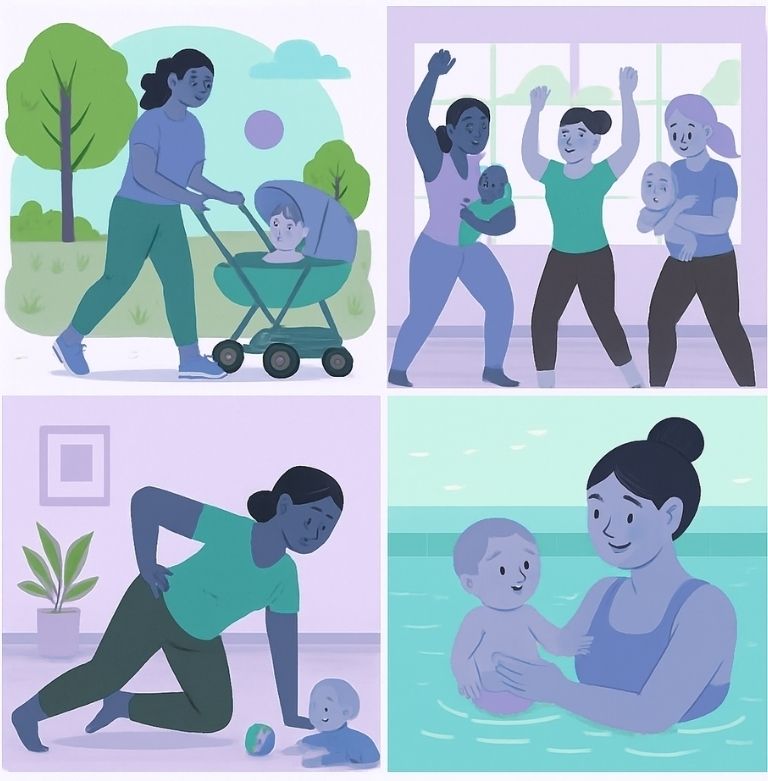
- Walking With the Stroller. This is perhaps the easiest and most accessible form of exercise for new mums. A brisk walk with your baby in the stroller burns calories, gets you fresh air, and often helps baby nap!
- Postnatal Exercise Classes. Some classes allow you to bring your baby along, while others provide childcare so you can focus on your workout. These sessions are designed specifically for post-pregnancy bodies and also give you the chance to connect with other new mums.
- At-Home Workouts. Can’t leave the house? No problem! YouTube is full of free postnatal workout videos, and there are even apps designed with new mums in mind. MomsLab offers gentle routines and pelvic floor exercises, while Postpartum Workout (DieBunny) lets you choose programs based on your recovery needs, whether you had a C-section or vaginal birth. If you’re short on time, PostPartum Workout at Home has quick 10–15 minute sessions that fit easily into your day. You can sneak in a workout during your baby’s nap or even while your little one is happily playing nearby on a mat.
- Swimming. Swimming is a wonderful exercise for new mums because it is low-impact and works your whole body. It is best to wait four to six weeks after birth to reduce the risk of infection. Beyond the fitness benefits, it can be incredibly relaxing and feel like a mini-break from the demands of motherhood. If possible, bring your partner or a friend to watch the baby so you can truly enjoy your swim instead of staying in the shallow end.
If you had a C-section or stitches, make sure your incision is fully healed before getting into the water. - SwimmingActive Play. If you have older children, use them as your workout buddies. Running around the playground, playing chase, or dancing to the music all count as exercise. Plus, you are spending quality time with your kids.
Embrace Your Journey, Mama
Mama, you’ve just done something extraordinary. You grew and birthed a human being! Your body is incredible, even if it doesn’t look exactly how you want it to right now.
Post-pregnancy weight loss is a journey, not a race. There will be good days when you feel strong and motivated, and there will be hard days when all you can manage is survival mode. Both are okay. Both are part of the process.
Be kind to yourself. Celebrate small victories. Focus on how you feel, not just how you look. And most importantly, enjoy this precious time with your baby. These early months go by so quickly.
You’ve got this, one day at a time. Your body has already proven it can do amazing things. Trust in that strength as you work toward your goals.
If you feel you would benefit from a more structured, personalised approach to healthy weight loss for women after pregnancy, don’t hesitate to reach out to us at Eureka Wellness.