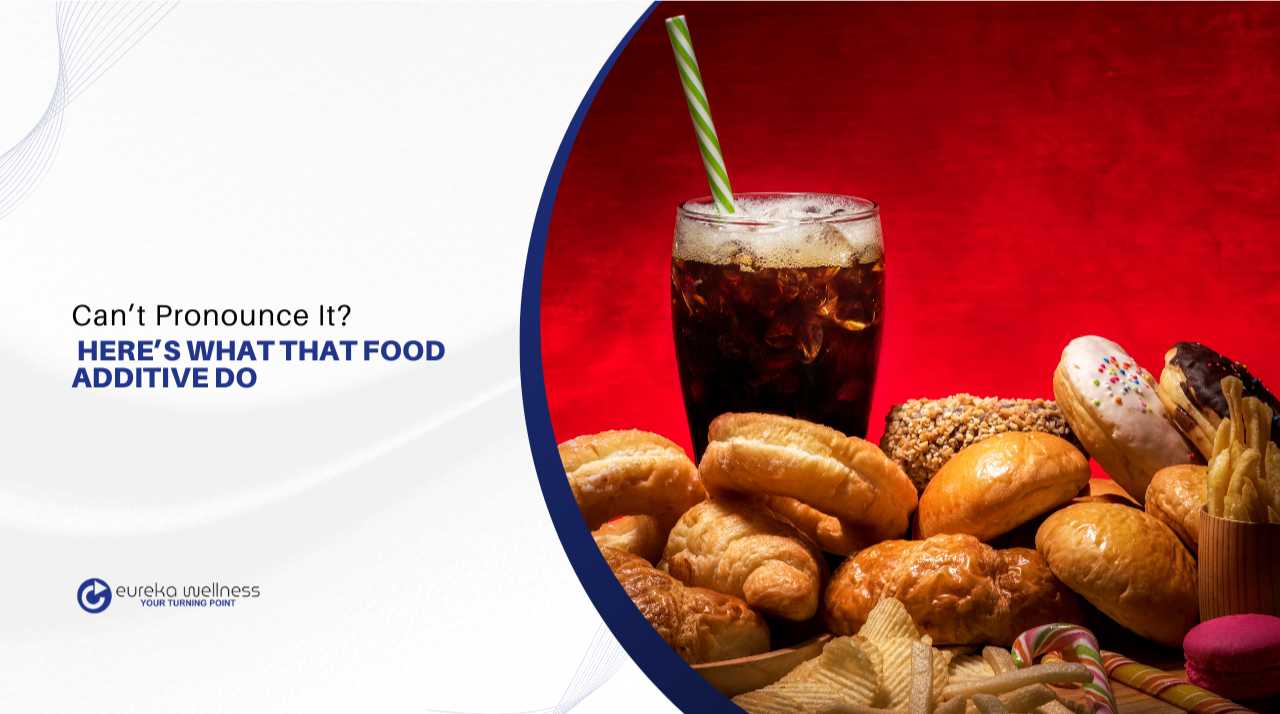


Have you ever read the ingredients on a packet of instant noodles? But you’re confronted with a list that reads like a chemistry textbook? “Polyoxyethylene (20) sorbitan monooleate,” “Disodium 5’-ribonucleotides,” “Tertiary butylhydroquinone.”
Your first instinct may be to put it back on the shelf and wonder what exactly you’ve been eating all these years. Many would feel a twinge of anxiety when faced with these tongue-twisting names.
Anyone would assume that if it is hard to pronounce, it must be bad for one’s health. But those intimidating chemical names aren’t there to scare you. They’re there because they serve important functions in keeping your food safe, tasty, and fresh.
By the end of this article, you will understand what these ingredients actually do and how our country’s robust food safety system ensures they’re safe for consumption.
How Singapore Regulates Food Additives
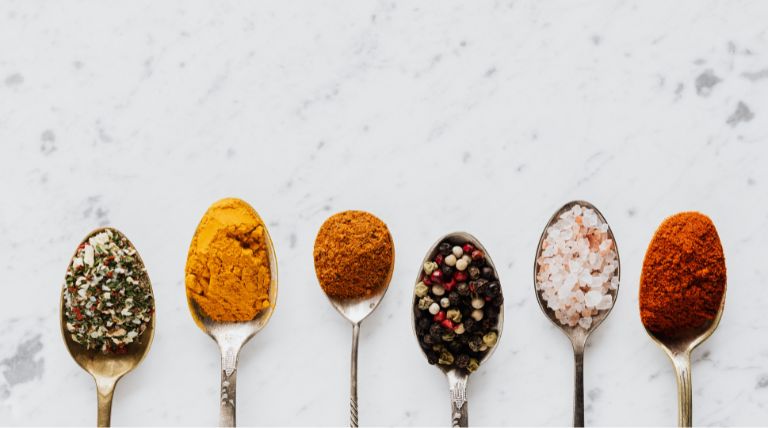
The Singapore Food Agency (SFA), working in collaboration with the National Environment Agency (NEA), Health Sciences Authority (HSA), and Enterprise Singapore, maintains one of the world’s stringent food safety frameworks.
Every single food additive you see on a label has undergone rigorous safety assessments before it reaches your plate. These are not arbitrary chemicals thrown into food for fun. They’re carefully evaluated substances that must prove their safety and their technological necessity.
The SFA only approves additives that align with international standards set by organisations like the Joint FAO/WHO Expert Committee on Food Additives (JECFA).
The Real Reasons Behind “Scary” Chemical Names
Let’s address the elephant in the room by addressing the question, “Why do these food additives have such terrifying names?”
Chemical names describe the exact molecular structure of a substance, crucial for regulatory purposes and quality control. It’s like having a precise address — “3-phenyl-2-propenal” tells food scientists exactly what they’re dealing with, even though most of us would simply call it “cinnamaldehyde” (the compound that gives cinnamon its flavour).
“Dihydrogen monoxide” sounds frightening, but it is only water. Similarly, “ascorbic acid” might seem concerning until you realise it’s just Vitamin C. The complexity of a name doesn’t indicate danger, but scientific accuracy.
5 Main Functions of Food Additives
- Give the food a smooth and consistent texture.
- Enhance/preserve the nutritional value.
- Keep food fresh and safe.
- Provide colour and enhance the flavour.
- Make food look appealing.
Colouring Agents
Tartrazine (E102), The Yellow That Makes Your Food Pop
As you walk down any supermarket aisle, you will encounter tartrazine everywhere. Its purpose is to make food look as appealing as it tastes.
Tartrazine is found in soft drinks, flavoured chips like cheese puffs, certain curry powders, and many other snacks. It is usually combined with other colours to make greens and oranges that are a feast to the eyes.
Sunset Yellow FCF (E110) and Allura Red AC (E129), The Colours Behind Your Favourite Treats
These dyes create the bright oranges and reds you see in everything from certain fruit drinks to imported candies.
Did You Know? The “FCF in Sunset Yellow FCF stands for “For Coloring Food,” indicating its specific designation for food use rather than industrial applications.
Preservatives
Potassium Sorbate (E202), Your Bread’s Best Friend
Potassium sorbate is a preservative that is effective against moulds and yeasts. You will find this additive in your daily bread, helping it stay fresh for days instead of hours.
It is also common in cheese, soy sauce, and even traditional treats like moon cakes. Potassium sorbate extends shelf life safely.
Sodium Benzoate (E211), The Guardian of Your Fruit Juices
Sodium benzoate prevents bacterial growth, especially in acidic beverages that might otherwise become breeding grounds for harmful microorganisms.
It ensures that your drink is safe from the first sip to the last. It can also be found in pickles and some sauces where it serves the same function.
Emulsifiers and Stabilisers
Xanthan Gum (E415), The Magic Behind Smooth Sauces and Ice Cream
Despite its space-age name, xanthan gum has a surprisingly natural origin. It is produced by bacteria through fermentation, similar to how yoghurt is made. This is what keeps your salad dressing from separating, your ice cream smooth and creamy, and your gluten-free bread from crumbling apart.
It has this property called “shear-thinning”, wherein it becomes less viscous when stirred or shaken (making it easy to pour) but thickens again when left alone (preventing separation).
Xanthan gum is particularly valuable in gluten-free products where it replaces gluten’s binding properties, allowing people with celiac disease or gluten sensitivity to enjoy bread, pastries, and other baked goods.
Carrageenan (E407), The Seaweed That Makes Your Plant Milk Creamy
As plant-based eating becomes more and more popular, carrageenan has also gained its fair share of attention. It is an extract from red seaweed (Irish moss) that gives your almond milk, coconut milk, and soy milk their smooth and creamy texture.
Carrageenan works by forming a gel-like network that traps water and creates the mouthfeel we associate with creaminess. It is also found in yoghurts, processed meats, and dairy desserts.
Polysorbate 80, The Bridge Between Oil and Water
Its full name is polyoxyethylene (20) sorbitan monooleate which honestly sounds like something from a sci-fi movie. In reality, it helps ingredients that naturally repel each other to mix and stay mixed.
This emulsifier is essential in ice cream where it prevents ice crystals from forming and keeps the texture smooth and scoopable. We can also find it in chocolate products to prevent cocoa butter from separating, and in salad dressings to keep oil and vinegar intact.
Enhancers and Sweeteners
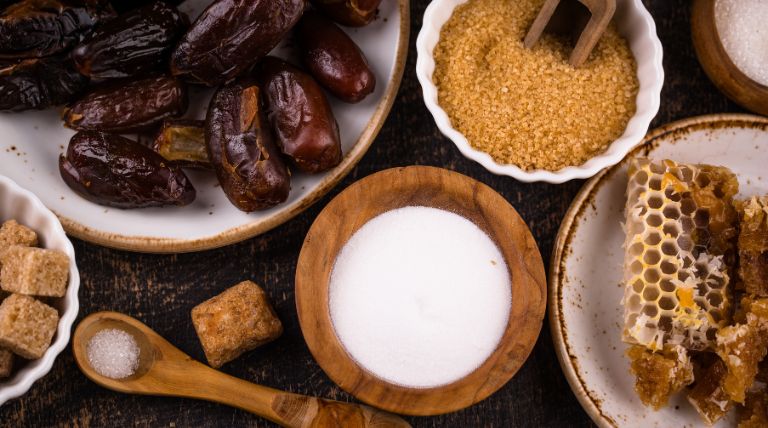
Monosodium Glutamate (MSG), Beloved Ajinomoto
Our discussion of food additives would not be complete without mentioning MSG. It remains one of the most commonly used food additives.
MSG enhances the umami taste. It’s the open secret behind many beloved hawker dishes where stall owners use it to boost flavour.
Scientific studies have consistently shown that MSG is safe for the vast majority of people. The “Chinese Restaurant Syndrome” attributed to MSG has been debunked by numerous studies and it’s now recognised as safe by major food safety authorities worldwide.
Disodium 5’-Ribonucleotides (E635), Partner of MSG
It is also called I+G that works synergistically with MSG to create an even more potent umami experience. This mixture can have four times the flavour-enhancing power of MSG alone.
You will find E635 in flavoured instant noodles, snack foods, chips, and many of the seasoning powders available in local supermarkets.
Sucralose, Sweetness Without the Calories
This sweetener is approximately 650 times sweeter than regular sugar. Sucralose is found in diet soft drinks, sugar-free desserts, and products specifically marketed to diabetics.
It is heat-stable so it’s suitable for baking, and it doesn’t have the bitter aftertaste associated with other artificial sweeteners.
Specialised Additives
Silicon dioxide is the anti-caking agent that prevents your salt, seasoning powders, and coffee creamers from turning into solid blocks.
It absorbs moisture from the air. Without it, many of the convenience foods we rely on would be unusable.
Dimethyl Polysiloxane (E900a), The Foam Fighter in Your Cooking Oil
This tongue-twister of a name belongs to an anti-foaming agent that prevents excessive bubbling when you’re deep-frying your favourite foods. It’s the same basic ingredient found in some hair products, but in food-grade purity and microscopic quantities.
When you’re frying prawn fritters or making roti prata, dimethyl polysiloxane helps maintain oil quality and prevents dangerous overflow. It’s also found in some fruit juices and soft drinks to control foaming during processing and bottling.
What This Means For You

Understanding what these additives are and how they affect your body empowers you to make more informed choices about when and how often to include them in your diet.
The Reality of Long‑Term Consumption
Even though individual food additives are regulated for safety, many health professionals express concern about the cumulative effects of consuming multiple additives regularly over time.
Foods that have extensive ingredient lists usually indicate higher levels of processing which can contribute to various health concerns including water retention, inflammation and metabolic disruption.
Reading Labels for Health, Not Only for Safety
When you are shopping, you may want to consider applying the following strategies.
- Foods with shorter ingredient lists are generally less processed. If a product has more than five to seven ingredients, many of which you can’t pronounce, it’s likely heavily processed.
- Aim for 80% whole, minimally processed foods and 20% processed foods. This balance acknowledges the hectic lifestyle that we have while we prioritise our health.
- Shop the perimeter first (fresh produce, meat, dairy) before walking into processed food aisles.
- Choose products with ingredients that you recognise and could theoretically find in a home kitchen.
- When buying packaged goods, opt for those with the fewest food additives.
The Water Retention Connection
Many food additives like flavour enhancers can contribute to water retention. So if you are someone who is focused on weight loss/management, you must be careful when dining at hawker stalls or when buying flavour enhancers.
Alternatives for Busy People
We have listed some middle-ground strategies that you can follow since 100% whole food eating isn’t realistic for most people.
- Prepare simple whole food meals in batches during weekends.
- When you are dining out or ordering takeaway, balance heavily processed meals with simpler, whole food options.
- Keep healthy snacks like fruits, nuts, or plain yoghurt within reach.
Conclusion
Knowledge is power when it comes to food choices. Now that you’ve understood what these food additives actually do, you can make informed decisions based on science instead of fear. Focus on your overall diet and maintain variety in your food choices.
If you need guidance, our coaches at Eureka Wellness are here to help. We can support you in identifying which foods to avoid and teach you how to decode food labels with confidence.
If you’re still searching for a healthy, sustainable weight loss program, reach out to us for a no-obligation chat. We’re here to help you get started on your journey to better health.