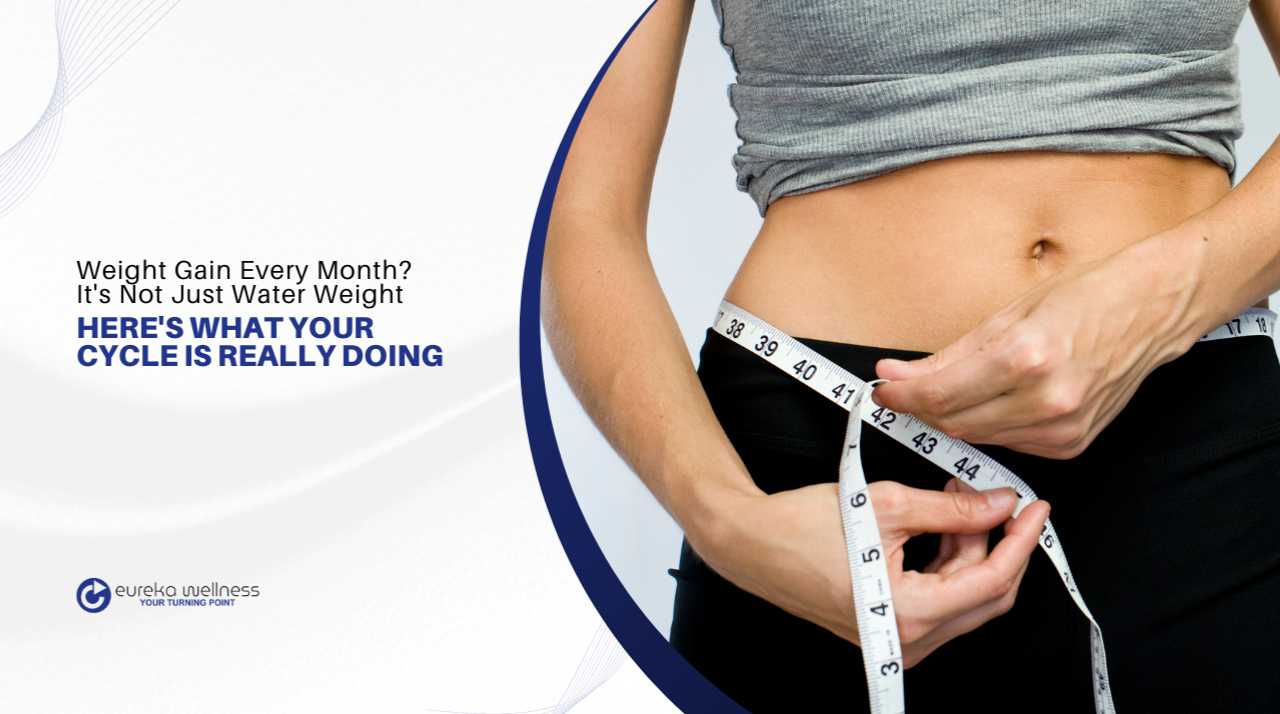


Unexplained weight gain is frustrating enough on its own. But when it seems to strike like clockwork right around your monthly cycle, it can feel even more aggravating and mysterious.
However, weight fluctuations are, in fact, quite common premenstrually and during menstruation due to the impact of hormones like oestrogen and progesterone on the body. As these hormones fluctuate to regulate your cycle, you may retain more water, experience insatiable food cravings, or even gain a few real pounds each month.
Learn about what is really happening and if a healthy weight loss program works for you.
What’s Happening Inside Your Body
Weight gain and bloating are common premenstrual (PMS) symptoms caused by complex hormonal fluctuations that regulate your cycle.
In the days leading up to your period, as progesterone levels peak and oestrogen begins dropping, these shifts trigger excess water retention throughout your body (fluid retention). This is why you may feel puffy, sore breasts or a swollen abdomen that seems to appear overnight.
What’s Next? Water Weight and Bloating
Inside the body during this time, the tissues are accumulating extra fluid that makes you look and feel heavier. Depending on the individual, this water weight gain typically ranges from around three to five additional pounds that many women gain cyclically right before their period starts.
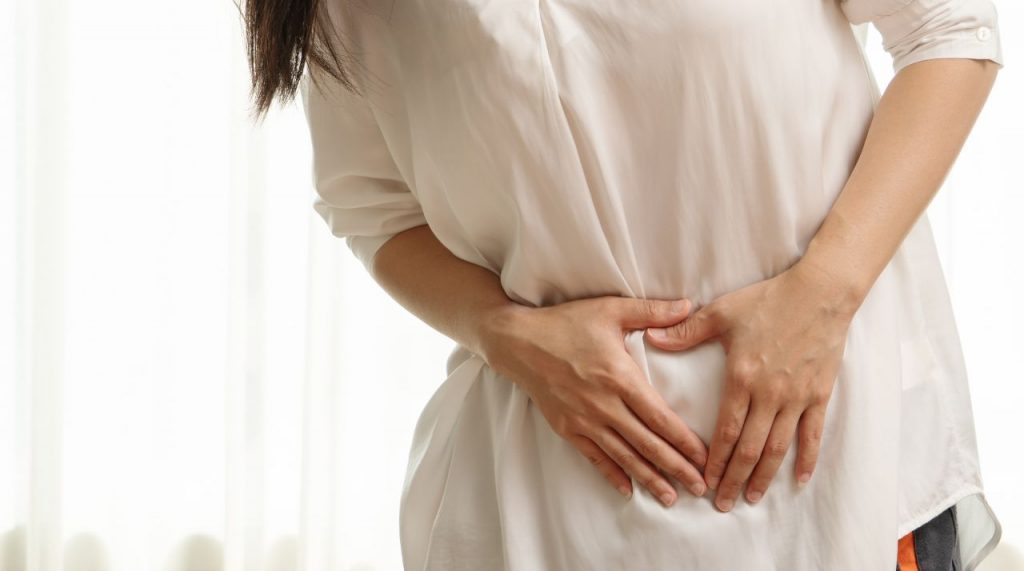
Along with feeling like you have abruptly gained weight, abdominal bloating is another related PMS symptom originating from the same hormonal activity. Bloating occurs when extra fluid also gets trapped in the gastrointestinal (GI) tract, provoked by the hormone changes.
The end result is a tight, swollen, and uncomfortable sensation in the stomach area. Some women also experience concurrent stomach cramps and constipation or diarrhoea thanks to prostaglandins simultaneously being released, which influence digestion and bowel movements.
Emotional and psychological PMS symptoms and their effect on weight gain
The physical impacts of fluid retention and bloating are compounded by:
- Increased appetite,
- Food cravings, and
- Low motivation to exercise when experiencing discomfort
Emotional and psychological premenstrual symptoms peak at the same time and that include things like:
- Mood swings
- Irritability
- Anxiety
- Fatigue
- Trouble sleeping
Factors like mood swings, irritability, and anxiety can trigger stress eating and cravings for indulgent, sugary, high-carb comfort foods. The spikes and dips in mood may erode motivation to stick to healthy nutrition plans. Feelings of being overwhelmed or down can also reduce the willingness to exercise.
Fatigue and sleep disturbances like insomnia drain the mental energy needed for disciplined decision-making around food choices and portion control. When exhausted, it’s harder to muster the determination to cook balanced meals or drag yourself to the gym.
Over time, these temporary changes induced by cyclical mood issues and tiredness influence gradual weight gain or weight loss struggles.
What Causes The Usual Symptoms of PMS
The classic sign of PMS carb and sugar cravings stems from hormone-induced reduction in serotonin levels, which drives the urge to seek quick energy and mood boosts from high-carbohydrate foods. This hormonal one-two punch of fluid retention plus overeating sets the stage for increased calorie intake to translate more easily to weight gain during the seven to 10 days before menstruating. Add in the tendency to become sedentary when dealing with painful cramps or low energy, and you have the perfect recipe for monthly weight fluctuations.
Nutritional Deficiencies on a Cellular Level
Several nutritional deficiencies can surface during the premenstrual phase due to hormone shifts, inflammation, and oxidative stress. These include the depletion of key minerals like magnesium, zinc, iron, and B vitamins. One of the most significant is magnesium, which plays an integral role in regulating hydration balance, balance sugar control, and electrolyte function within the body.
As magnesium levels decrease leading up to menstruation, this drop can trigger sugar and carb cravings as the body attempts to stabilise itself through quick sources of glucose. Deficiencies in iron, B vitamins, and other critical nutrients can provoke similar cravings. Lower magnesium and zinc levels may also worsen water retention and dehydration associated with PMS.
Research indicates that supplementing with a broad spectrum of bioavailable micronutrients before and during the menstrual phase can restore nutritional adequacy. This natural supplementation has been shown to alleviate many hormonal, emotional, and physical symptoms related to PMS and menstruation itself. Targeted mineral supplements or a high-quality women’s multivitamin may help counteract monthly nutrient losses.
If you are considering supplementation, keep in mind to always run supplements by your doctor first, especially if taking other medications.
While PMS is Estimated to Impact a Large Majority of Women,
Actual diagnosis relies on tracking symptoms for at least two to three consecutive cycles. Gain valuable insights by monitoring and documenting your symptoms in a menstrual health journal. For example, you may notice the cycles where you experience substantial premenstrual weight gain by fluid retention also tend to align with aggravated mood issues, food cravings, or menstrual pain.
If you can identify your monthly patterns, you can take immediate actions like improving your sleep, diet, and exercise habits to mitigate predictable flare-ups. And if the symptoms become severe enough to interfere with work or quality of life, be sure to consult your doctor.
Treatments to Prevent Weight Gain
Some degree of temporary weight gain from fluid retention and bloating may be inevitable each cycle, but certainly, there are ways women can minimise, manage, and prevent excessive weight fluctuations tied to their menstrual cycle.
Through nutrition, lifestyle adjustments, supplements, or medical treatment, you can reduce the impact of period-related weight gain and achieve a healthier, less disruptive monthly cycle.
A simple and Effective Way: Limit Sodium Intake
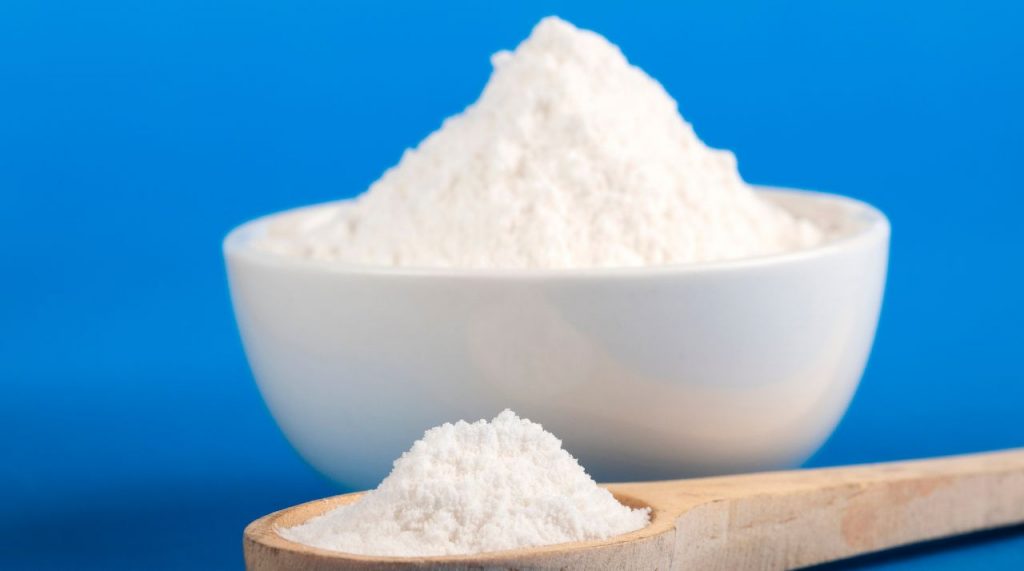
One of the simplest and most effective ways to prevent weight gain is to monitor salt intake and avoid foods high in sodium in the one to two weeks leading up to your period.
As the body’s fluid retention tendencies spike close to menstruation, cutting back on dietary sources of salt can make a big difference. Limit processed foods, restaurant meals, salty snacks, and reducing table salt to your cooking during this phase of your cycle to minimise unnecessary fluid buildup.
Increased potassium intake from fruits and veggies also helps with this process.
Stay Hydrated, Too.
Staying well hydrated over the course of your whole menstrual cycle is also a way to prevent exaggerated fluid retention and dehydration. When your body lacks sufficient water intake, it tends to overcompensate and retain more fluids, which translates to that irritating water weight gain.
Aim to drink at least 2 litres of water daily and avoid excessive caffeine and alcohol as they have dehydrating effects. Getting enough micronutrients, whether through diet or supplements, will also reinforce healthy fluid balance and circulation.
Flush out Excess Fluid through Regular Exercise.
Regular exercise that makes you sweat is another way to help flush out some of that excess fluid before it accumulates noticeably in your midsection. However, when cramping or physical discomfort strikes, don’t push yourself to power through workouts.
Gentle movements like walking, stretching, and yoga help alleviate pain and reduce stress without taxing your body further into its already delicate state.
In more Difficult Cases,
In cases involving severe fluid retention, painful swelling, and very distressing premenstrual weight gain, diuretics may be an option under medical supervision. Diuretics are medicines that act on the kidneys to increase urination and flush additional salt from the body.
Your doctor can prescribe oral diuretic pills or recommend over-the-counter varieties containing safe ingredients like dandelion and celery seed extract. As with any new medication or supplement, be cautious of side effects.
No Matter which Solutions you Employ,
Consistency remains the key to taming period problems. Once you identify a personalised plan that works, be it minimising salt intake, staying active, or taking beneficial supplements, stick to them month after month so they become healthy lifelong habits.
When To Take Action
Some degree of weight fluctuation tied to your monthly cycle is normal, but if you start noticing big and prolonged changes, it signals an underlying health issue that warrants medical attention.
Sudden increases or decreases resulting in a loss or gain of more than 10 pounds should prompt a discussion with your doctor to check for nutritional deficiencies, hormone imbalances, and other problems.
Likewise, if you miss three or more consecutive periods despite not being pregnant, this points to a disruption that deserves further evaluation.
What Exactly To Do
Seeking help earlier from a women’s health expert can spare you months or years of frustration. But if you are only seeking personalised dietary and fitness guidance tailored to your menstrual issues and patterns, Eureka Wellness has specialised weight loss coaches/trainers to address these needs.
Getting your cycle and corresponding weight gains under control may be as simple as learning which lifestyle tweaks work best for your body. Through our weight loss program in Singapore and one-on-one weight management coaching, we teach sustainable nutrition and self-care habits to curb cravings, swelling, and discomfort for good.
Invest in yourself and your health sooner through our healthy weight loss program so that you can prevent prolonged struggles with crushing cycle symptoms.
Contact us today to learn more about our weight loss program or if you want to be assessed if the Eureka Wellness program is the right fit for you.