

Have you ever felt like you have tried all the diet and exercise plans available, but the scale won’t move? You are religiously on the treadmill, meal prep your healthy lunches, and have cut way down on late-night snacking. However, this stubborn belly fat and excess weight are very difficult to lose.
You’re not alone. A lot of Singaporeans struggle with such a frustrating paradox. The results do not come despite a disciplined diet and regular exercise. The culprit? Continual low-grade inflammation is undermining your weight loss attempts.
The good news? You can take control of this silent saboteur and finally see the scale victories you deserve. Continue reading to find out the secret barriers on the way to your fitness goals and ways to overcome them for good.
Causes of Inflammation
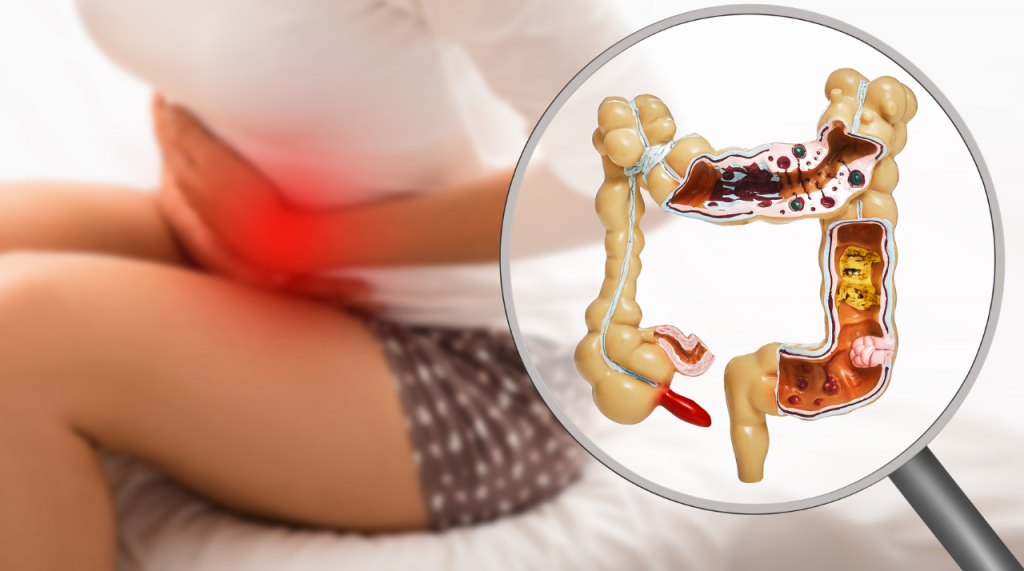
Inflammation is a natural reaction of the body to certain threats such as injury, infection or toxins. It is a defence mechanism that enables the immune system to get rid of harmful stimuli and start the healing process. But if inflammation does not have an apparent cause or resolution, it can become chronic and damaging.
There are numerous possible causes of chronic low-grade inflammation. Recognising them is the first step in regaining control.
Excess Weight and Fat Storage
Research has shown that as body weight increases, the level of inflammation also increases. A vicious cycle emerges where inflammation induces weight gain, which in turn leads to more inflammation.
This happens by several means. Primarily, the extra fat, especially in the abdomen, releases some inflammatory molecules that can interfere with insulin’s control of blood sugar. This can result in insulin resistance, high blood glucose levels, and further weight gain around the waist. The fat per se becomes diseased and inflamed.
Leptin Resistance
Leptin is a hormone produced by fat cells that helps regulate energy balance and body weight. However, leptin can also cause inflammation in the body in scenarios such as chronic obesity and leptin resistance. In these situations, leptin may activate immune cells, trigger inflammatory pathways, and interact with other substances that promote inflammation. Leptin can also increase the production of harmful molecules called reactive oxygen species, which can damage cells and contribute to inflammation.
In people with obesity, leptin levels are often constantly elevated, leading to a condition called leptin resistance. This means that the body becomes less responsive to the effects of leptin, including its role in regulating energy balance. The combination of leptin resistance and the pro-inflammatory effects of leptin may contribute to the chronic low-grade inflammation often seen in obesity. This inflammation is linked to various health problems, such as type 2 diabetes and heart disease.
Chronic Stress
It is also a significant source of inflammation due to the constant production of inflammatory proteins such as C-reactive protein (CRP). Be it work pressures, relationship problems, or any other constant stressor, high-stress lifestyles tend to spark inflammatory fires all over the body. This further makes losing weight difficult as the metabolism is kept in the first gear.
Lack of Quality Sleep
During sleep, inflammation naturally decreases for cell renewal and repair. But when sleep is short-changed night after night, these anti-inflammatory processes are disturbed, and the inflammation could get worse.
Imbalance of Gut Bacteria
Gut bacteria imbalance due to poor diet, processed food, antibiotics, and other causes can cause higher intestinal permeability and allow bacterial toxins to enter the bloodstream. This generates systemic inflammation. Maintaining healthy gut flora is essential for preventing inflammation.
Effects of Inflammation
When inflammation becomes chronic, it can sabotage weight loss in various ways. The consequences of chronic inflammation make losing extra pounds an incredibly frustrating uphill battle.
If it is not addressed, the body stress caused by chronic inflammation substantially increases risks for other serious health issues like heart disease, type 2 diabetes, depression, Alzheimer’s, and even some cancers. These comorbidities can make weight loss even more challenging.
Triggers “starvation mode”
The main culprit is the fact that inflammation can induce “starvation mode” and a very slow metabolism. Remember how inflammation causes leptin resistance, affecting the neurotransmitter that regulates hunger? This tricks the brain into feeling deprived even in the presence of enough calories. The response of the body is to stimulate hunger signals, promote overeating, and slow down metabolic rate for energy conservation.
Therefore, no matter how hard you try to control your calorie intake, your body is being biochemically driven to maintain fat storage and prevent its burning for energy. You can work out and eat very strictly, but the weight will be virtually unchanged.
The more you strive in this state of metabolic suppression, the more fatigue, hunger, and negative effects on vitality you will likely experience.
Leptin Resistance
Inflammation and leptin resistance are closely connected, and they can affect each other in a two-way relationship.
As mentioned earlier, leptin can cause inflammation. But inflammation can also contribute to the development of leptin resistance. Inflammation can interfere with the way leptin works in the body, particularly in the brain.
When the body is in a state of chronic inflammation, it can disrupt the normal functioning of leptin receptors and signalling pathways in the hypothalamus, which is the main area where leptin acts to regulate energy balance. This disruption can lead to a reduced sensitivity to leptin, resulting in leptin resistance.
Inflammation can also damage the blood-brain barrier, a protective barrier that controls what substances can pass from the bloodstream into the brain. When this barrier is compromised due to inflammation, it may allow inflammatory substances and other factors to enter the brain, further disrupting leptin signalling.
Inflammation can also lead to insulin resistance, a condition in which cells become less responsive to insulin. Since insulin and leptin share some common signalling pathways, insulin resistance can worsen leptin resistance.
This creates a vicious cycle in which leptin resistance worsens inflammation, and inflammation, in turn, continues to aggravate leptin resistance, contributing to the development and progression of obesity-related health problems.
Beyond leptin alone
Chronic inflammation leads to a number of hormonal imbalances as well. It can affect cortisol, testosterone, thyroid, and other hormones that control appetite, metabolic rate, muscle growth/preservation, etc.
Due to many weight-related hormones in disarray, it is nearly impossible for the body to reach its perfect control of fat storage and energy expenditure.
Preferential storage of new calories
Inflammation has even been shown to favour the storage of new calories as body fat, particularly the hazardous visceral fat surrounding organs. And it allows fat cells to increase in size through the impact of inflammation on fat cell metabolism.
It is a vicious cycle of inflammation promoting fat accumulation, and then that extra fat causes more inflammation that people who are overweight are caught in.
Persistent oxidative stress
Apart from the direct destructive impact on fat metabolism and storage, chronic inflammation induces continuous oxidative stress that can harm mitochondria, the powerhouses of each cell. This disrupts energy production and aggravates fatigue, lethargy, and sluggishness. With compromised energy, the physical activity necessary for successful weight loss becomes more difficult to maintain.
5 Ways to Reduce Inflammation
Anti-Inflammatory Foods
Among the major factors that contribute to inflammatory levels are dietary choices. You can begin to douse the fire internally by replacing pro-inflammatory foods such as processed meats, fried items, and sugary snacks and beverages with anti-inflammatory substitutes.
Eat lots of brightly coloured fruits and vegetables that are full of antioxidants, such as berries, leafy greens, broccoli, and sweet potatoes. Healthy fats from oily fish, nuts, seeds, and olive oil are also anti-inflammatory superfoods.
This nutritional change is an effective way to reset the extra inflammation.
Stress Relief Techniques
When stress is constant, so is the inflammatory response as the body tries to remain alert. Though eliminating life stressors is ideal, it is not always achievable. This is why it is crucial to include daily stress relief practices, such as meditation, deep breathing, yoga, aromatherapy, and mindfulness exercises.
>Walking is also a good way to break the tension cycle. Providing your mind with chances to go into a relaxing, healing state is an anti-inflammatory gold.
Improved Sleep Habits
Sleep is one of the most important components of health that modern society frequently neglects. Sleep deprivation has a severe adverse effect on inflammatory status and metabolic recovery.
Lack of good sleep disrupts the natural anti-inflammatory cycles of your body. Strive for at least seven hours each night by implementing sleep hygiene techniques such as going offline early, having a dark and cold room, and relaxing activities before going to bed.
Probiotics and Prebiotics
The gut houses so much of the immune system, and getting the right populations of beneficial gut bacteria is vital for fighting inflammation from the inside.
Probiotic foods such as yoghurt, kefir, sauerkraut, and kombucha provide a dose of beneficial microbes. You can also give a shot to the probiotic supplements available OTC. Eat lots of prebiotic fibre from foods such as onions, garlic, bananas, and whole grains, along with probiotics, to feed and nourish the existing good microbes.
Weight Loss Program
Sometimes, professional support and a whole lifestyle reset are needed for those with deep chronic inflammation who have been unable to achieve scale successes despite ongoing efforts.
How the Eureka Wellness Program Can Help
In addition to lifestyle measures, targeted solutions may be necessary for addressing chronic inflammation, particularly when it has become severe enough to interfere with weight loss.
The Eureka Wellness program is an all-encompassing approach that reduces inflammation with proprietary homoeopathic treatments. The drops act on the brain pathways of weight control and metabolic rate.
Instead of introducing another unsustainable, short-term diet protocol that is bound to fail in the long run, Eureka Wellness is focused on creating a lasting change by dealing with the root causes.
Aside from addressing internal weight loss roadblocks, Eureka Wellness provides ongoing education and accountability coaching. This enables the clients to know what was wrong with them before and to develop healthy lifestyle habits that will help them continue making progress even after the program.
Begin Your Inflammation-Free Weight Loss Journey Today
Ready to write a whole new weight loss chapter dedicated to defeating inflammation once and for all? We at Eureka Wellness are here to lead you. Feel free to book a consultation today or send us an email to determine whether the program is suitable for you.