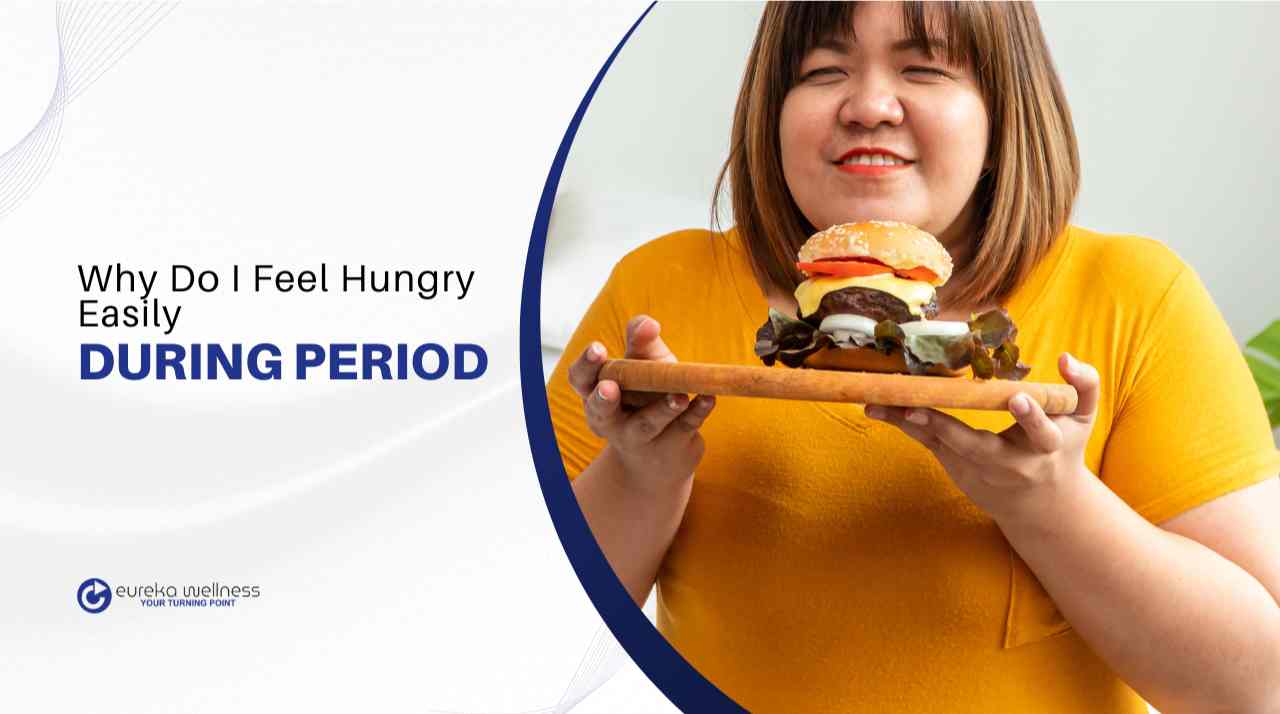


Have you ever wondered why your appetite seems to skyrocket just before or during your menstrual period? If you find yourself reaching for extra slices of pizza, devouring bags of chips, or craving that bar of chocolate, do not be surprised because it is common. Many women experience increased hunger and intense cravings in the days leading up to and during their periods. This phenomenon can be attributed to the intricate interplay of hormones within your body.
In this article, we will delve into the intriguing connection between hunger and menstruation, shedding light on the hormonal factors that contribute to your ravenous appetite during this time. Understanding why you feel more hungry before your period can help you navigate these cravings and adopt strategies to manage them effectively.
Understanding The Menstrual Cycle

The menstrual cycle is a natural process that occurs in women of reproductive age, lasting around 28 days, although it varies from person to person. It involves a series of hormonal and physiological changes in the body to prepare the uterus for a potential pregnancy. The cycle can be divided into four main stages: menstrual phase, follicular phase, ovulation phase, and luteal phase.
Menstrual Phase
It marks the beginning of the menstrual cycle and is known as menstruation or the period. The lining of the uterus, or the endometrium, sheds through the vagina. It happens because the previous cycle’s egg was not fertilised. This phrase lasts for about three to seven days.
Follicular Phase
It starts on the first day of the menstrual period and lasts until ovulation, named after the follicles in the ovaries containing immature eggs. The hypothalamus in the brain releases follicle-stimulating hormone (FSH), which stimulates the ovaries to develop several follicles. These produce oestrogen that triggers the thickening of the uterine lining to prepare for a potential pregnancy. Only one dominant follicle continues to mature, while the others are reabsorbed or degenerate.
Ovulation Phase
It occurs approximately in the middle of the menstrual cycle, around day 14 in a 28-day cycle. The dominant follicle releases a mature egg into the fallopian tube. This process is triggered by a surge in luteinising hormone (LH) from the pituitary gland, which causes the follicle to rupture and release the egg. Ovulation is the most fertile phase of the menstrual cycle, and if sperm is present, fertilisation occurs.
Luteal Phase
The ruptured follicle transforms into a structure called the corpus luteum after ovulation. The corpus luteum produces progesterone and some oestrogen, which help maintain the thickened uterine lining and prepare it for the implantation of a fertilised egg. The corpus luteum regresses if there is no conception, causing a decrease in progesterone and oestrogen levels. The hormonal shift triggers the shedding of the uterine lining (menstruation) and marks the beginning of a new menstrual cycle.
Note for each Phase of the Cycle
The length of every phase may vary from one person to another and can even change within a person over time. Monitor your menstrual cycle and track any irregularities to identify potential issues or underlying health conditions.
Why do I feel more Hungry During Periods?
It is completely normal and very common for you to feel hungry during your menstrual period and the days leading up to it. This is because of the hormonal changes occurring in the body during this time. Progesterone becomes more dominant, while oestrogen levels start to decrease.
The increase in progesterone results in increased hunger and food cravings. It is a natural bodily response to the hormonal changes happening during the menstrual cycle. These changes in hormones also cause other symptoms, such as sleepiness and mood swings. So feeling more tired and experiencing changes in mood are also common during this time.
The Role of Serotonin in Mood Swings and Food Cravings
The menstrual cycle involves fluctuating levels of hormones, including oestrogen and progesterone, which affects the serotonin (the “feel-good” neurotransmitter) levels and subsequently influences a person’s emotional state and appetite.
During the luteal phase of the menstrual cycle (after ovulation and before menstruation), oestrogen and progesterone levels are elevated. This phase is characterised by a decrease in serotonin levels. Lower serotonin levels are linked to negative mood changes (e.g., irritability, sadness, and anxiety) commonly experienced as part of premenstrual syndrome (PMS). These mood changes can contribute to emotional fluctuations and make individuals more susceptible to mood swings during this time.
Aside from mood swings, serotonin levels also influence food cravings, particularly for carbohydrates. When serotonin levels are low, the body craves foods that increase serotonin production. Carbohydrates, especially those with a high glycemic index, stimulate the release of insulin, which helps in the absorption of amino acids. As a result, it promotes the entry of tryptophan into the brain, where it is converted into serotonin. Therefore, consuming carbohydrates can temporarily boost serotonin levels, leading to feelings of well-being and alleviating negative emotions associated with PMS.
Indulging in carbohydrate-rich foods provide temporary relief, but remember to maintain a balanced and nutritious diet throughout the menstrual cycle. Relying solely on unhealthy comfort foods leads to a cycle of emotional eating and potential weight concerns. It is crucial to strike a balance by incorporating nutrient-rich foods.
Managing Hunger Pangs During the Menstrual Cycle
Period hunger is not something to worry about. Here are some tips to prepare for the hunger pangs during your next period.
Do not be so Hard on Yourself.
If you start the luteal phase of your menstrual cycle without consuming enough calories and essential nutrients like vitamins and minerals, your body will signal hunger more intensely. Make sure to nourish yourself properly throughout your menstrual cycle. Choose foods that make you feel good and help combat premenstrual syndrome (PMS).
If you are experiencing intense hunger shortly after eating, wait for about 20 minutes before eating again. Sometimes the feeling of hunger may go away. If it persists, grab a healthy snack.
Load up on Iron-rich Foods.
Consume foods rich in iron before and during your period. These include red meat, fish, and leafy greens. They can help replenish the iron that your body loses during this time. You create a “feedback loop” in your body if you fuel up on iron-rich foods. This means that your body receives a signal that you are providing it with the nutrients it needs during this period. It helps your body understand that you are responding to its needs appropriately.
Find Ways to Reduce Stress and get Plenty of Sleep.
Lack of sleep can make you feel hungrier, so aim for seven to nine hours of good quality sleep.
Stress also leads to cravings and overeating. If you find yourself turning to the pantry when stressed, try practising quick relaxation techniques for better self-control.
What to Eat
Studies suggest that specific foods reduce certain symptoms associated with menstruation, as well as affect your energy levels and mood. Nourish your body with nutrient-rich foods throughout the entire month. Incorporating whole grains, lean protein, fruits, vegetables, seeds, nuts, and legumes into your regular meals is highly recommended. For snacks, you can opt for options like hummus with veggies or whole-grain crackers, air popped popcorn, cottage cheese, an apple with peanut butter, or Greek yoghurt with raw honey and berries.
Cultivating Awareness of Morality from Food Choices
Reflecting on how and why we categorise foods as “good” or “bad” can be a useful starting point for removing moral judgments from our food choices and the emotions they evoke. Create a list of foods or food groups that you consider morally labelled. Then, you can ask yourself a series of questions:
— How did I come to label these foods? What or who influenced these judgments?
— Is it necessary to give that source authority over my food choices?
— What rules have I created based on these moral labels?
— What happens if I eat “good” food? And what happens if I eat “bad” food?
— Does assigning moral value to food actually make me more flexible in my eating habits?
— What would happen if I let go of these labels entirely?
— How would my relationship with food change if I released these moral judgments?
— Would I recommend this morality-based system to others for guiding their own eating habits?
Questioning the foods we usually eat reveals patterns of avoiding foods labelled as “bad.” Assigning moral value to food leads to restrictive eating practices, which can negatively impact various aspects of life, including quality of life, relationships, mental health, and physical well-being. Assess whether this value system truly serves us and supports our relationships with ourselves and others. Becoming aware of food morality is the first step in eliminating judgement-based labels and rules from our lives.
Conclusion
Listen to your cravings, and do not restrict yourself. You may eat and feel guilty when you restrict or deprive yourself of certain foods. As a result, it creates a cycle. Instead, pause and ask yourself what you are truly hungry for. If you are craving chocolate, for instance, allow yourself to eat it. The key is to eat it mindfully, savouring each bite and enjoying the flavour and texture. You might find even more enjoyment from indulging in your craving.
You may enroll in what you think is the best or most effective weight loss program in Singapore to stay healthy and keep track of food consumption.