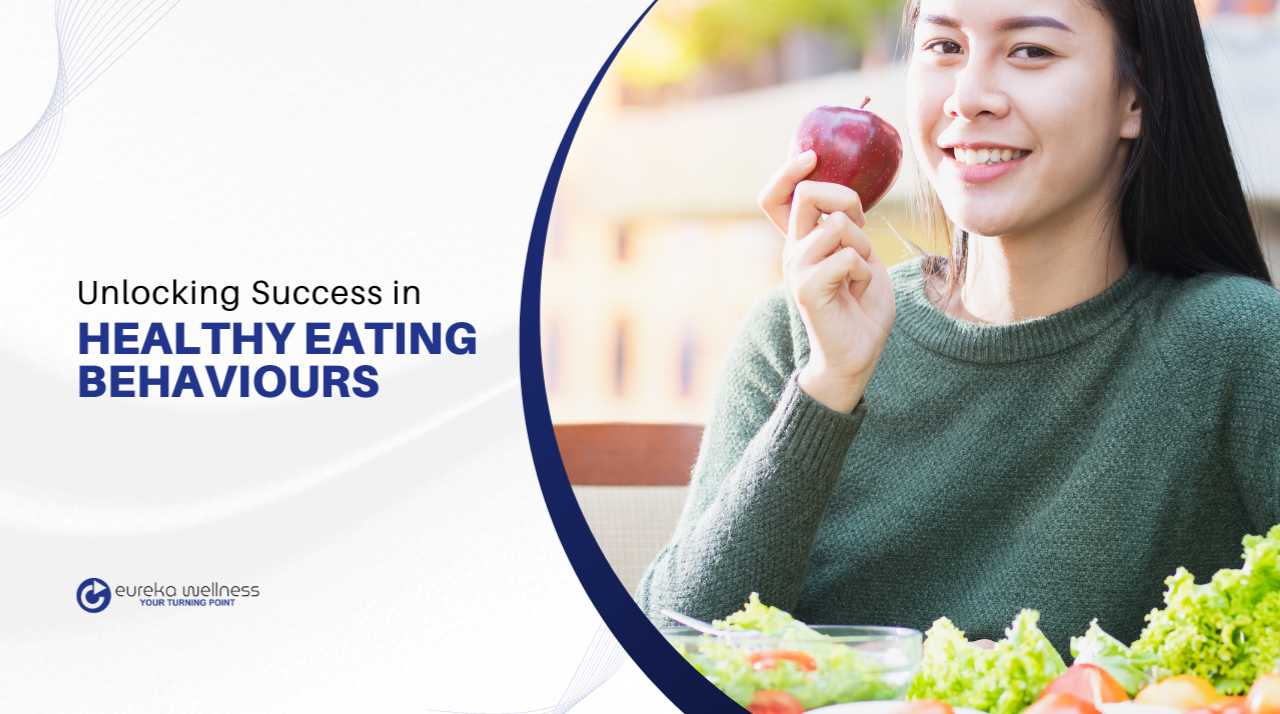


We all have habits when it comes to eating. Some of them are good, like having fruits as a dessert. And some of them are not so good, like rewarding ourselves with sugary drinks after work. The great news is that even if we have had these habits for a long time, we can still improve and change them.
At times, people try extreme diets, like eating only cabbage soup, for quick weight loss. But these radical changes are not healthy and won’t work in the long term. If you want to improve your eating habits permanently, you need to take a thoughtful approach.
Having an Emotional Connection to Food

Food plays a central role in our lives. We celebrate with food, show care by making it for someone, and connect with others by sharing meals together. It is normal to have emotions tied to the food we eat.
The important thing to keep in mind is to be mindful of our eating habits. We should make conscious choices about when, what, and how we eat. Sometimes, it is okay to turn to food to deal with strong emotions, like during celebrations or when supporting someone going through a tough time. But there are times when using food as a coping mechanism may not be the best choice.
Three Rs
Here is a bird’s eye view of what you can do:
- Reflect – Take a look at all your eating habits, both the bad and the good ones. And think about what triggers you to eat unhealthy foods.
- Replace – Start replacing your unhealthy eating habits with healthier ones. Instead of sugary drinks, try having water or herbal tea as a reward after work.
- Reinforce – Keep reinforcing your new, healthier eating habits. Be consistent and stay motivated to make them a permanent part of your lifestyle.
Making the Switch
Switching to a healthy diet does not mean you have to do everything perfectly and give up all the foods you enjoy. It is not about making big changes all at once, because that can be challenging to stick to. A better way is to start with small changes. Take it step by step to make it easier to stick to the new plan in the long run. For example, you can begin by adding a salad to your meals once a day. Once you get used to that, you can make more healthy choices.
The key here is to keep your goals realistic and achievable. Only make small changes that you can handle so you won’t feel overwhelmed or deprived. You can build on these small changes because, over time, they become habits. It is about progress, not perfection.
Be Successful by Keeping Things Simple
Just keep things simple for you to succeed in eating healthier. Instead of worrying about calories, focus on colour, variety, and freshness in your meals. Try to avoid packaged and processed foods, and choose fresh ingredients whenever you can.
Cooking more of your own meals gives you control over what you eat and helps you avoid unhealthy additives and fats found in takeout food. This improves your mood and general well-being. When you cut back on unhealthy foods, replace them with healthier options.
For instance, switch to healthy fats like those in grilled salmon instead of harmful trans fats found in fried foods.
Read food labels carefully to be aware of hidden sugars and unhealthy fats in packaged foods, even those claiming to be healthy.
Pay attention to how you feel after eating. Healthy food makes you feel good, while junk food can leave you feeling uncomfortable and drained.
Stay hydrated by drinking plenty of water. It helps remove toxins from your body and prevents dehydration, which causes tiredness and low energy. It also helps you make better food choices by preventing thirst from being mistaken for hunger.
Everything in Moderation
Moderation means eating just the right amount of food your body needs. You should feel satisfied after a meal, but not overly full. It is about finding a balance in your eating habits. You do not have to give up the foods you love, as mentioned. But it is good to eat them in moderation. For example, having bacon for breakfast once a week is okay if you follow it with healthy meals for the rest of the day. But having bacon and unhealthy foods all the time is not good for you.
Do not think of certain foods as completely off-limits, as that can make you want them more. This is called a restrictive diet. Instead, try reducing portion sizes of unhealthy foods and eating them less frequently. Over time, you may crave them less.
Be mindful of portion sizes. Eating smaller portions helps you avoid overeating. Choose smaller plates and bowls to trick your brain into feeling satisfied (satiety) with less food.
Eat slowly and enjoy your meals. It takes a few minutes for your brain to realise you are full, so slow down and stop eating before you feel overly full.
Try to eat with others whenever possible. Eating alone may cause you to overeat mindlessly. Keep unhealthy snacks out of the house and surround yourself with healthy choices. If you want a treat, go out and get it rather than keeping it at home.
Be aware of emotional eating. Sometimes we eat to cope with stress or emotions. Try finding healthier ways to manage those feelings instead of turning to food.
Remember, it is not just what you eat but when you eat. Eating a healthy breakfast boosts your metabolism, and having smaller, regular meals throughout the day keeps your energy up.
Avoid eating late at night and try fasting for 14 to 16 hours until breakfast the next day. Giving your body a break from eating for a certain period may help with weight regulation.
More Fruits and Veggies, Why Not?
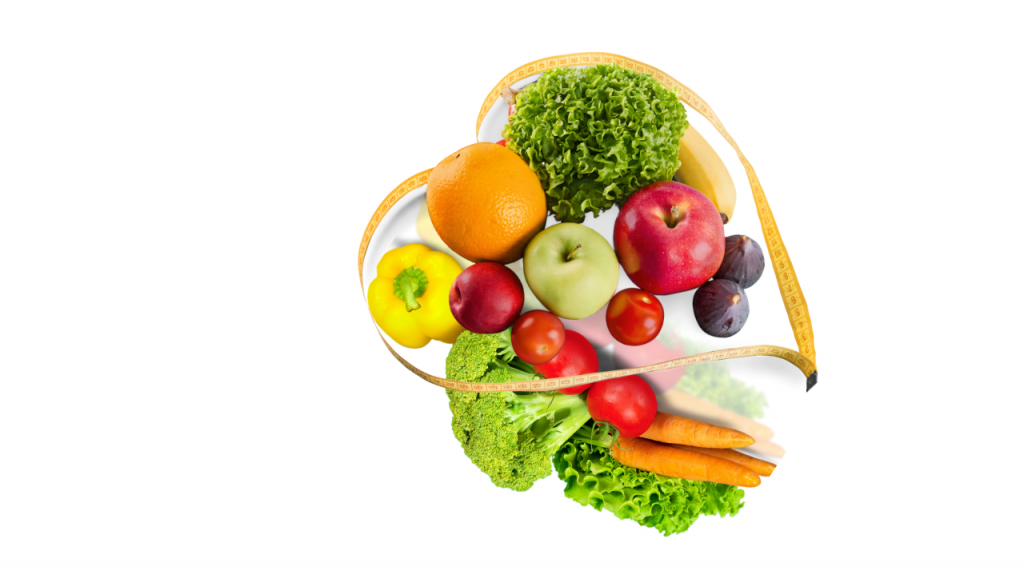
Fruits and vegetables are not only delicious but also very good for you. They are low in calories but packed with important nutrients like vitamins, minerals, and antioxidants. Plus, they contain fibre that is good for your digestion.
Try to eat at least five servings of fruits and vegetables every day. A serving is about half a cup of raw fruit or vegetables, or a small apple or banana. For most of us, it is a good idea to eat even more of these nutritious foods.
Here are some easy ways to eat more fruits and vegetables:
- Add tasty berries to your breakfast cereal to boost your antioxidants.
- Instead of a sweet or sugary dessert, try a mix of sweet fruits like oranges, mangoes, pineapple, or grapes.
- Swap your usual rice or pasta side dish for a colourful salad filled with fresh veggies.
- Instead of munching on processed snacks, grab some healthy veggies like carrots, snow peas, or cherry tomatoes. Dip them in a tasty hummus or peanut butter for extra flavour.
You will feel full and satisfied and naturally eat less unhealthy food if you include more fruits and vegetables in your diet.
Making your Veggies Tasty
Making your vegetable dishes more flavourful and exciting is easy with the following tips:
- Brightly coloured vegetables are not only packed with nutrients, but they also make your meals look more appealing. Try using fresh or sundried tomatoes, glazed carrots or beets, roasted red cabbage, yellow squash, or colourful peppers to add vibrant hues to your dishes.
- Don’t stick to just plain lettuce. There are many nutrient-rich greens like kale, arugula, spinach, mustard greens, broccoli, and Chinese cabbage. Use olive oil or a spicy dressing and add toppings like almond slices, chickpeas, a little bacon, parmesan, or goat cheese.
- Some vegetables are naturally sweet, such as carrots, beets, sweet potatoes, yams, onions, bell peppers, and squash. Include them in your meals to satisfy your sweet tooth without the need for added sugar. They work well in soups, stews, and pasta sauces and will give you a delightful sweet kick.
- Instead of simply boiling or steaming vegetables like green beans, broccoli, Brussels sprouts, and asparagus, experiment with new cooking techniques. You can grill, roast, or pan-fry them with delicious additions like chilli flakes, garlic, shallots, mushrooms, or onions. Another option is to marinate them in tangy lemon or lime before cooking.
Use these creative ideas to make your vegetable dishes more flavourful, enjoyable, and nutritious. Have fun experimenting with different colours and cooking methods to discover your new favourite vegetable recipes!
Conclusion
Now that you have unlocked the secrets to healthy eating habits, you can incorporate them into your meals and expect sustainable weight loss. The most effective weight loss program is one that does not deprive you of quality and healthy foods.
If you are looking for weight loss programs for men and women, your search just ended here and now. Eureka Wellness has come to your rescue – for those people who have been wanting to discover how weight loss success is achieved.