Inflammation is our body’s response to tissue injury that can be caused by several factors such as bacteria, viruses, toxins, and lifestyle factors. There are ways to reduce inflammation, like regular exercise and stress management, but one of the most powerful tools at your disposal is your diet.
Aside from avoiding foods that are high in trans fat, added sugar, and salt and limiting processed foods, there are anti-inflammatory foods that can help lower blood pressure, boost mental health and cognitive function, and also relieve other chronic concerns.
Let’s discuss them.
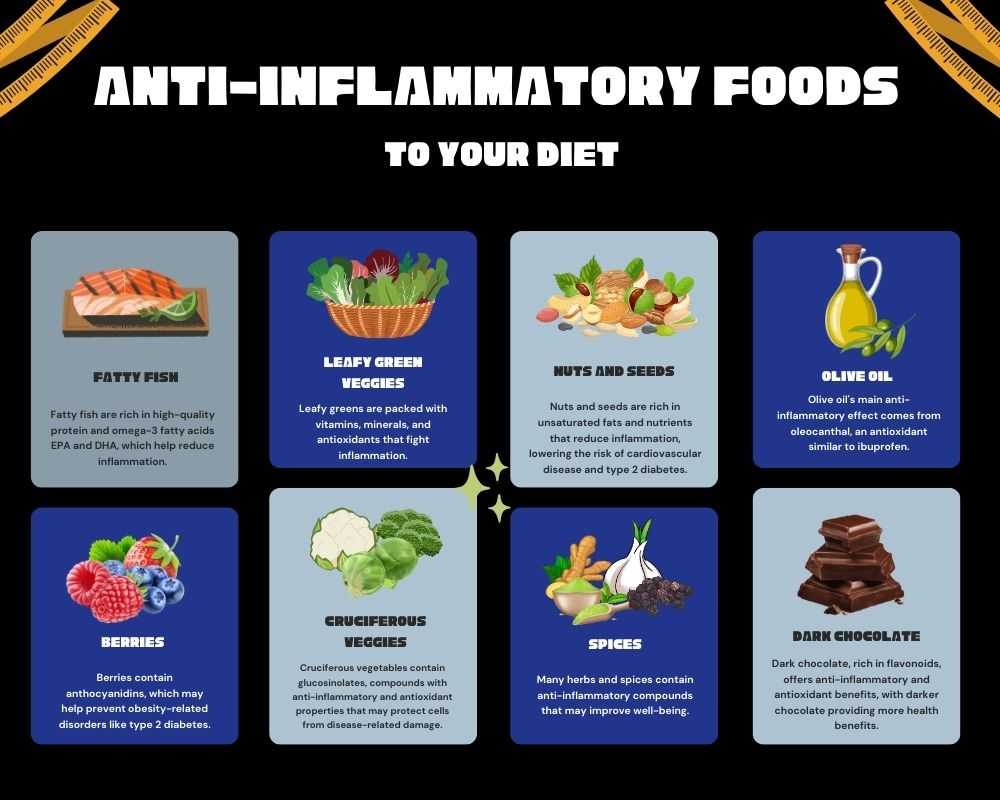
Fatty Fish
Fatty fish are a good source of high-quality protein and they are rich in the long-chain omega-3 fatty acids EPA and DHA, which reduce the production of inflammatory molecules in the body.
Omega-3s may help relax blood vessels and slightly lower blood pressure. They are also very effective at reducing triglyceride levels (a risk factor for heart disease) in the blood. And omega-3s help stabilise the heart’s rhythm.
The best sources of these fatty acids are:
- salmon
- sardines
- mackerel
- tuna
You should eat at most two servings of omega-3-rich fish per week. The usual serving size is about the size of a deck of cards.
Do you want to get the most health benefits from these fish? Cook them in methods other than deep-frying.
Leafy Green Veggies
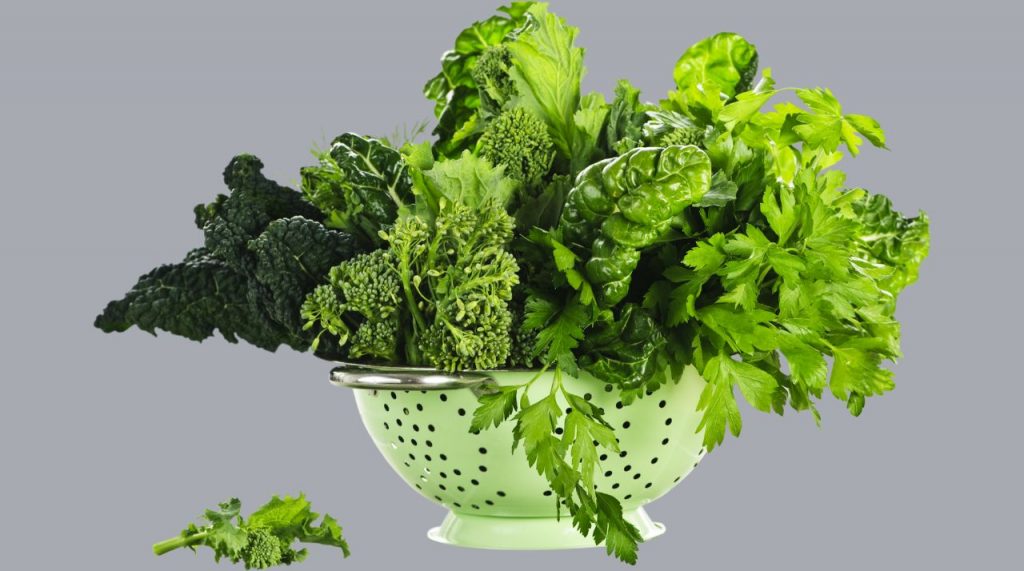
Leafy greens are nutritional powerhouses, packed with vitamins, minerals, and antioxidants that can help combat inflammation. The vitamin K in leafy greens like kale and spinach may have protective attributes as it helps regulate the body’s inflammatory response to prevent the body from spiralling out of control.
But the benefits of leafy greens extend far beyond vitamin K. They are also excellent sources of:
- Vitamin A (for immune function and healthy vision)
- Vitamin C (protect cells from damage)
- Folate (important for cell growth and development)
- Magnesium (involved in hundreds of processes in the body, including blood sugar control and muscle function)
- Fiber (digestive health and blood sugar level regulation)
Incorporating Leafy Greens
- Make your salads vibrant by mixing leafy greens, colourful vegetables, and lean protein.
- If you always have your morning smoothie, why not add a handful of spinach or kale for a nutrient boost?
- Toss leafy greens into your stir-fries during the last few minutes of cooking to preserve their nutrients.
- Put a generous portion of leafy greens to your soups and stews to enhance their flavour and nutritional value.
Delicious Ways to Enjoy Leafy Greens
- Gently knead kale leaves to soften their texture and spice up their flavour.
- Spinach and feta omelette is a protein-packed breakfast meal that is quick and easy to make.
- Collard greens with garlic and ginger is a flavourful side dish you may want to try.
Berries
Did you know that berries are associated with reducing obesity-induced inflammation? Berries contain polyphenolic compounds call anthocyanidins that may prevent disorders that are obesity-related like type 2 diabetes.
Anthocyanins
These are natural pigments that are responsible for the red, blue, and purple colours of berries. They have three protective properties: antioxidant, anti-inflammatory, and antimicrobial.
Blueberries, blackberries, and black raspberries have higher levels of anthocyanins than strawberries, cranberries, and red raspberries.
Other Polyphenols
Berries also contain other polyphenols, such as ellagic acid, that can help reduce inflammation and oxidative stress.
Adding Berries to Your Diet
Enjoy them fresh. They are delicious on their own as a snack or dessert. Or you can blend them into smoothies. A sprinkle of berries on top of your yoghurt or oatmeal adds both sweetness and antioxidants. Try it for yourself!
Cruciferous Veggies
Cruciferous vegetables contain compounds that give these dark green plants their bitter flavour called glucosinolates. Research shows that they have significant anti-inflammatory and antioxidant properties, which could help protect cells from damage caused by diseases.
Another star player in these veggies is sulforaphane, a potent anti-inflammatory compound that activates the body’s natural detoxification processes. Sulforaphane helps neutralise harmful toxins and free radicals that can trigger inflammation and damage cells.
Ways to Enjoy your Cruciferous Veggies
- Roasted broccoli with garlic and lemon, simple but flavourful
- Cauliflower rice stir-fry, a healthy and delicious alternative to traditional rice
- Brussels sprouts with balsamic glaze to bring out the natural sweetness of Brussels sprouts
- Kale chips, a crunchy and satisfying snack
Nuts and Seeds
Nuts and seeds are rich in unsaturated fats and other nutrients that may help with inflammation. Consuming them regularly lowers the risk of cardiovascular disease and type 2 diabetes. Their healthy fat profile regulates blood sugar and cholesterol levels, which explains the risk reduction for the abovementioned diseases.
Examples of them are tree nuts like almonds, walnuts, and peanuts which also contain anti-inflammatory vitamins and minerals.
Incorporating Nuts and Seeds into Your Diet
- Enjoy them as snacks in between meals.
- Sprinkle nuts or seeds over your salads for that added crunch and flavour.
- Blend them into your smoothies.
- Or add nuts/seeds to muffins, breads, and other baked goods to have that extra flavour and texture.
Few Ideas to Get You Started
- Almonds – add them to your yoghurt or oatmeal, or use almond butter in smoothies
- Walnuts – sprinkle them on salads, add them to trail mix, or enjoy them as a snack.
- Chia seeds – add them to smoothies, yoghurt, or overnight oats
- Flax seeds – grind them and add them to baked goods or smoothies
A Quick Note on Portion Control
These are incredibly healthy, but take note that they are also calorie-dense. It’s important to keep your calorie intake in check, especially if you are trying to manage or reduce your weight. A small handful (about 30 g) is a good serving size.
Olive Oil
Olive oil is a cornerstone of the Mediterranean diet and it’s more than just a culinary delight.
Its main anti-inflammatory effects are from antioxidants, one is oleocanthal. It has been shown to work like ibuprofen. The antioxidant content of olive oil can reduce oxidative damage caused by free radicals, a driver of cancer.
It also contains polyphenols, which are powerful antioxidants that combat inflammation and prevent cellular damage.
Main Benefits Aside from Inflammation-Reduction
- Lowers bad cholesterol and blood pressure
- May help protect against cognitive decline
- Improves insulin sensitivity
Using Olive Oil in Your Diet
- Make it your primary cooking oil; for sautéing, roasting, and baking.
- Drizzle extra virgin olive oil (EVOO) over salads, together with balsamic vinegar or lemon juice. EVOO is rich in healthy monounsaturated fats and antioxidants, making it a nutritious choice for salad dressings.
- Or use EVOO as a dip for bread, combined with herbs and spices.
Spices
Several herbs and spices contain anti-inflammatory compounds that may combat inflammation and benefit your well-being.
- Ginger has more than 100 active compounds like shogaol, gingerol and zingerone. They are likely responsible for its beneficial effects on health. You can enjoy this spice in different ways, whether you want it fresh, dried or powdered on your stir-fries, stews, and salads.
- Garlic is known for its strong smell and taste. The compounds in garlic that make it anti-inflammatory are sulphur compounds like allicin. It’s easy to add it to your dishes since it’s a common spice. You can also buy concentrated garlic or garlic extract supplements in health food stores.
- Turmeric is popular in India and contains over 300 active compounds like curcumin (has powerful anti-inflammatory properties). It’s best that you take curcumin with black pepper because the latter contains a compound called piperine that can increase curcumin absorption by up to 2000%.
- Black pepper (or the king of spices) has the active compound, piperine, that may play a role in reducing body inflammation. It is also easy to add to your diet as it goes hand-in-hand with veggies, poultry, meat and fish dishes.
- Green tea is packed with polyphenols, which are beneficial to brain and heart health. It is easy to brew into a delicious tea, or you can try buying matcha powder/green tea extract supplements.
Dark Chocolate
Dark chocolate contains flavonoids, which are plant nutrients that give chocolate its anti-inflammatory and antioxidant properties. The darker the chocolate, the more health benefits you can get from it. Opt for dark choco that’s at least 70% cacao.
A Quick Reminder
It is high in calories, so you should eat moderately. A recommended amount is around 30-60 g per day. Its equivalent is only a few squares.
Conclusion
It’s good to know that there are foods to reduce inflammation, aside from the foods that we need to avoid. Add these enjoyable flavours to your diet to benefit your overall health.
If you are on a weight loss program, choose one that prioritises anti-inflammatory foods, especially if you have chronic inflammation. Talk to us today to learn about our program.